
 Μake us preferred on Google
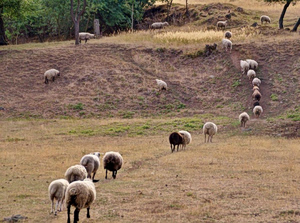
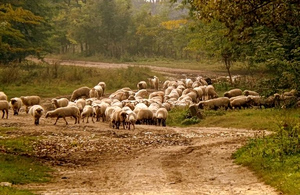
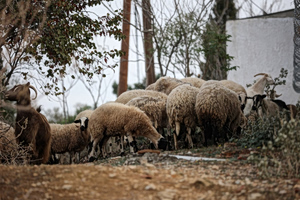
 Crete has extended emergency preventive measures to protect its livestock from sheep and goat pox, following an increase in cases on mainland Greece. The island remains free of the disease, but authorities are seeking to prevent the virus from reaching local herds.
The measures, adopted by the Region of Crete, will be in effect from Friday, October 16, through Thursday, October 29, when they will be reassessed.
Authorities cite the virus’s high transmissibility and its ability to survive in the environment for up to six months as reasons for strict biosecurity measures and tighter controls on animal movements.
Rules for moving sheep and goats
The new requirements regulate the movement of sheep and goats within Crete while maintaining a ban on bringing animals onto the island from farms elsewhere in Greece.
- Movement for slaughter: Sheep and goats may be transported for slaughter anywhere within Crete.
- Movement for breeding: Animals may be moved for breeding only within the same regional unit.
- Winter grazing: Moving animals to winter pastures is permitted within or between regional units on Crete, subject to the applicable requirements.
- Mixing herds: Transporting sheep or goats from different farms together in the same shipment is strictly prohibited.
- Health certificates and vehicles: All movements require health certificates and appropriately certified vehicles that have been disinfected before loading.
- Quarantine: Destination facilities must be cleaned and disinfected before animals arrive. Animals must then remain in quarantine for 21 days.
The prohibition on bringing sheep and goats to Crete from farms elsewhere in Greece remains in force.
Biosecurity requirements for livestock farms
Livestock owners are required to strengthen preventive measures at their facilities to reduce the risk of introducing or spreading the disease.
The requirements include:
- Fencing: Strengthening farm enclosures to prevent animals from entering or leaving without authorization.
- Disinfection: Installing and using disinfectant footbaths or mats containing biocidal products at vehicle entrances and exits.
- Restricted access: Preventing unnecessary visitors and vehicles from entering farms. When access is necessary, protective measures such as disposable shoe covers and coveralls must be used.
- Isolation areas: Establishing separate quarantine areas for newly arrived or potentially infected animals.
- Animal feed: Checking the origin of feed and avoiding supplies from restricted zones.
- Staff hygiene: Using separate clothing and footwear inside livestock facilities.
- Pest control: Regularly controlling insects and rodents and removing sources of contamination and standing water.
- Daily monitoring: Informing veterinary authorities immediately if symptoms raise suspicion of infection.
- Shared equipment and personnel: Prohibiting the sharing of tools, animals or staff with other farms.
Requirements for slaughterhouses and dairy businesses
Businesses involved in livestock processing, milk collection, animal feed and transport are also subject to additional precautions.
Slaughterhouses must remain alert to suspected cases and notify veterinary authorities immediately. They must strengthen biosecurity, including through disinfectant barriers and thorough cleaning, and accept animals only when all required accompanying documents and identification markings are in order.
Cheese producers and milk-processing facilities may collect milk only from farms that are not subject to sheep and goat pox restrictions and that meet the M4 status requirements for brucellosis, known in Greece as melitensis fever. Milk tankers must be thoroughly disinfected, particularly around their wheels, before and after entering each farm, and records of the procedures must be maintained.
Animal feed businesses and transport operators must disinfect vehicles when entering and leaving facilities. Washing tires before disinfection is recommended. Drivers must wear coveralls and disposable shoe covers, which must be destroyed on-site after loading or unloading.
Advance notice required for certain imports
Businesses transporting plant-based animal feed from Bulgaria and Romania must notify the Directorate of Agricultural Development and Veterinary Services of the relevant regional unit two days before the shipment.
Veterinarians urged to remain vigilant
Private veterinarians and veterinarians working with livestock farms are being asked to watch closely for suspected cases and report them to the authorities without delay.
They must also strictly follow personal protective equipment requirements and disinfect their vehicles when visiting farms.
The measures are intended to strengthen protection of Crete’s livestock sector while the island remains free of sheep and goat pox.