 Μake us preferred on Google
 Poland is now openly pushing for membership in the Group of 20 leading economies, seeking to give political confirmation to its impressive economic rise of recent decades. With nominal GDP now above $1 trillion, strong growth rates, and backing from the United States, Warsaw believes it has all the arguments it needs.
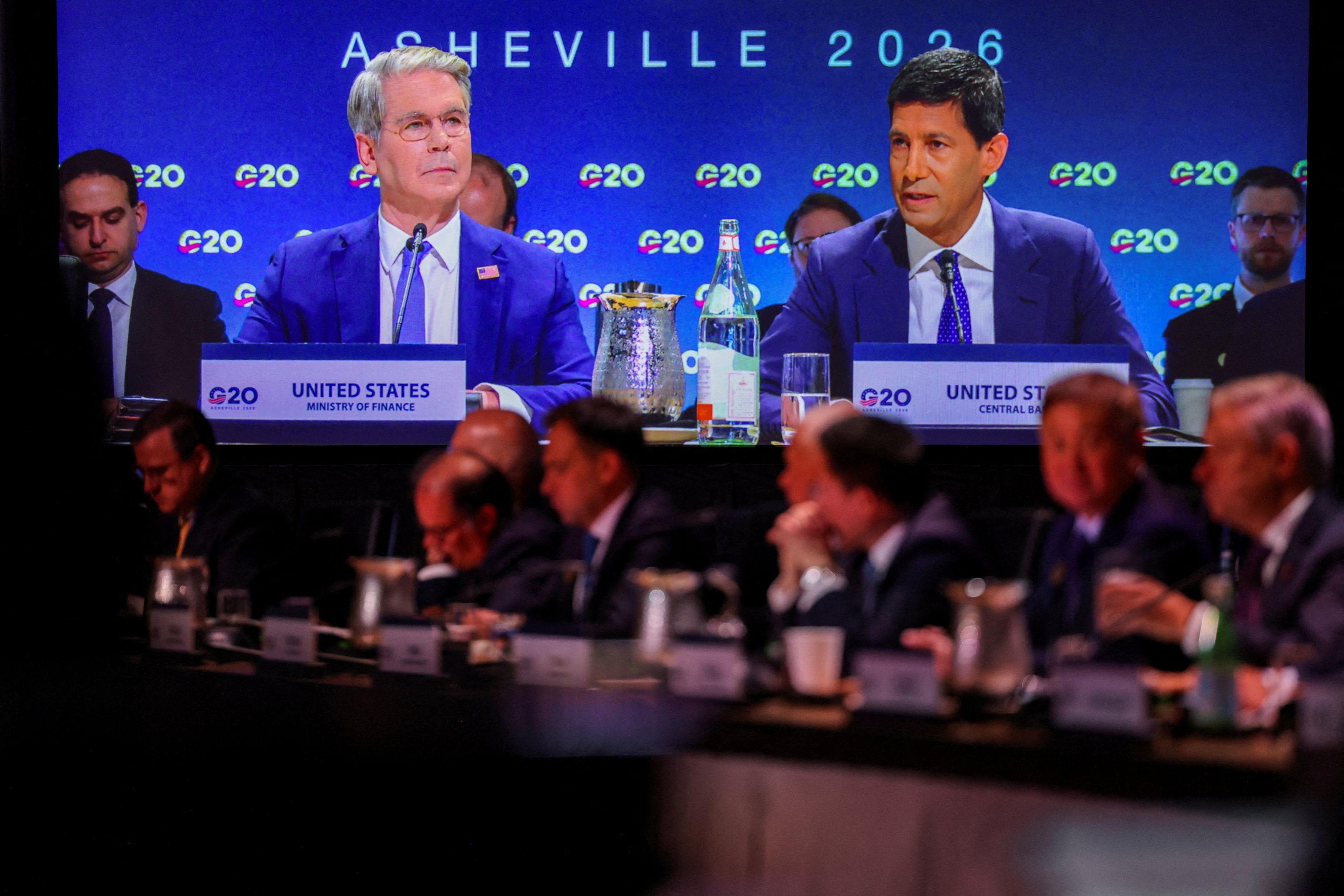
Poland’s finance minister, Andrzej Domanski, recently took part in the G20 finance ministers and central bank governors meeting in Asheville, in the United States. There, he argued that Poland is among the leaders of global economic growth, posting the fastest growth rate among European Union countries and having what it takes to stand alongside G20 nations.
According to Eurostat, Polish GDP grew 3.7% in the second quarter of 2026, following 3.5% growth in the first quarter. The government is forecasting 3.5% growth for the year as a whole, though its new fiscal plan expects growth to slow to 3% in 2027 and 2.6% in 2028.
Permanent G20 membership would carry deep political and strategic significance for Poland. It would confirm the country’s leading role in Central and Eastern Europe and formally recognize the huge distance it has traveled since the fall of communism. Poland’s economy today is roughly 17 times larger than it was in 1989.
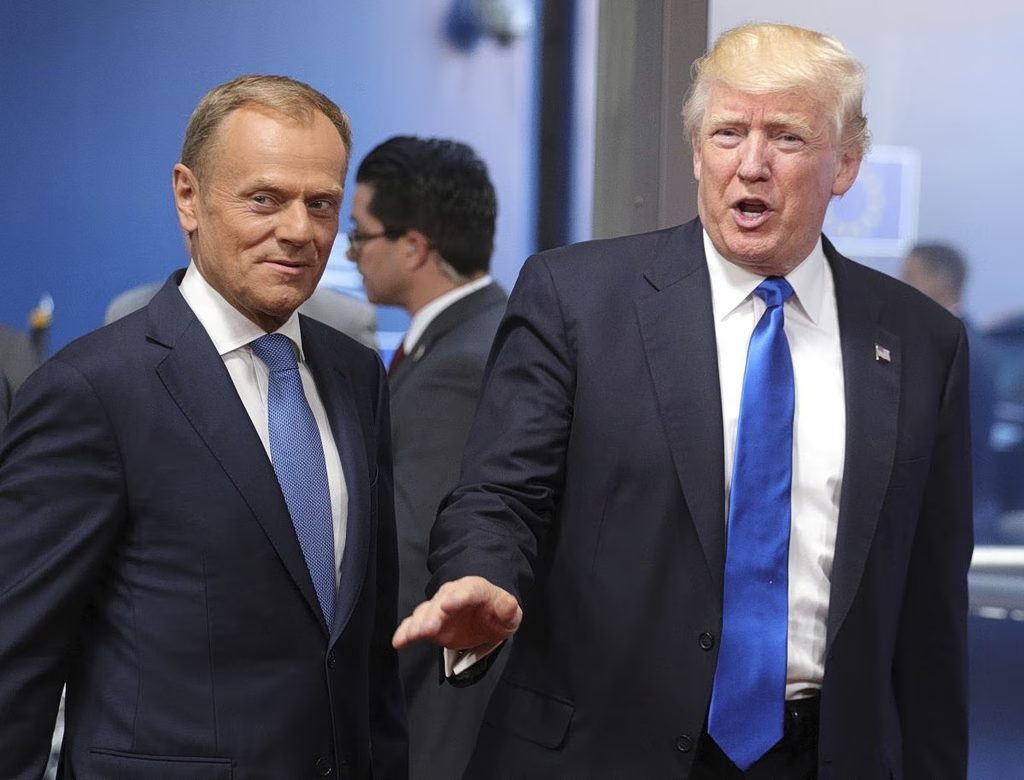
A major asset in its bid is Washington’s support. Polish President Karol Nawrocki has been invited by his American counterpart, Donald Trump, to attend the G20 summit taking place in December in Miami. While the invitation doesn’t amount to permanent membership, it gives Warsaw significant international visibility.
The United States views Poland as a key strategic ally on NATO’s eastern flank. A decisive factor is the sharp rise in Polish defense spending. The country already has the highest defense spending ratio among Alliance members and plans to direct 4.51% of its GDP toward defense in 2027.
Nawrocki’s upcoming trip to the United States, in late September, will aim to further strengthen bilateral ties and build on his personal rapport with Trump to lay the groundwork for permanent Polish membership in the G20.
Warsaw’s ambition rests on what’s been called the “Polish economic miracle.” Domanski describes it as the most successful economic transformation Europe has seen in the last 40 years. As far back as 2014, the country’s real GDP was already about two and a half times larger than in 1990, driven by average annual growth close to 4%.
The labor market picture is equally impressive. Unemployment stood at 3.4% in July, the second-lowest rate in the European Union after the Czech Republic. Meanwhile, the Warsaw Stock Exchange has been hitting record highs, with the broad WIG index posting successive highs and the WIG20 topping 4,000 points.
Behind the strong growth, however, lie significant fiscal weaknesses. The European Commission forecasts a deficit of 6.5% of GDP in 2026 and 6.3% in 2027. Public debt is expected to rise from 64.5% to 68.3% of GDP over the same two-year period.
Higher military spending, social benefits, bureaucracy, and continued reliance on EU funds are putting pressure on public finances. Poland has undoubtedly moved into the top tier of European economies. Whether it gains G20 membership, though, will depend not only on its size and momentum but also on its ability to sustain growth without jeopardizing its fiscal stability.