 Μake us preferred on Google
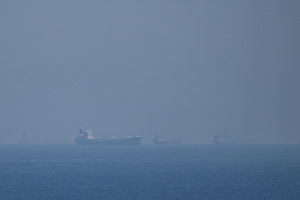
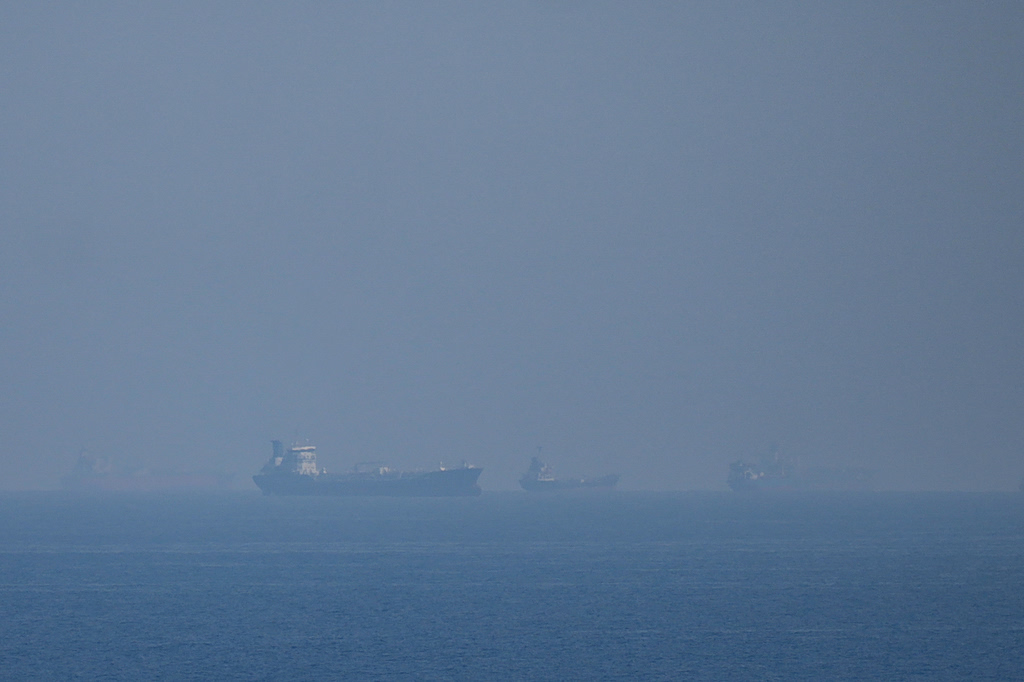
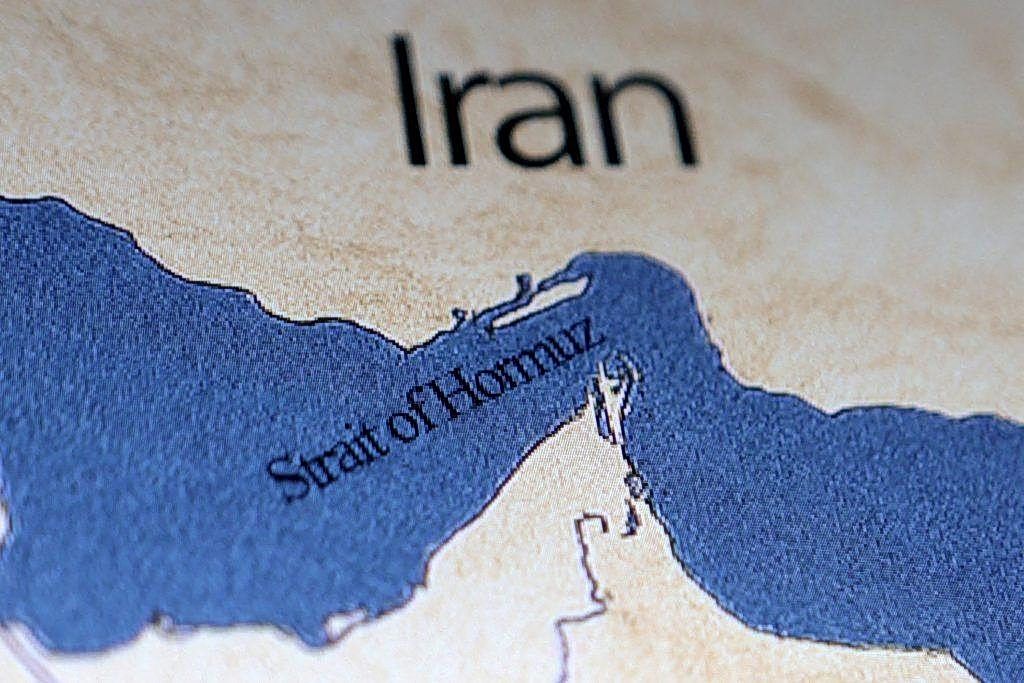
 As the war between Iran and the US-Israeli alliance enters its 3rd week, U.S. President Donald Trump finds himself in a precarious position, as one after another, his European and Asia Pacific allies are refusing to get involved in any military action to keep the Strait of Hormuz open.
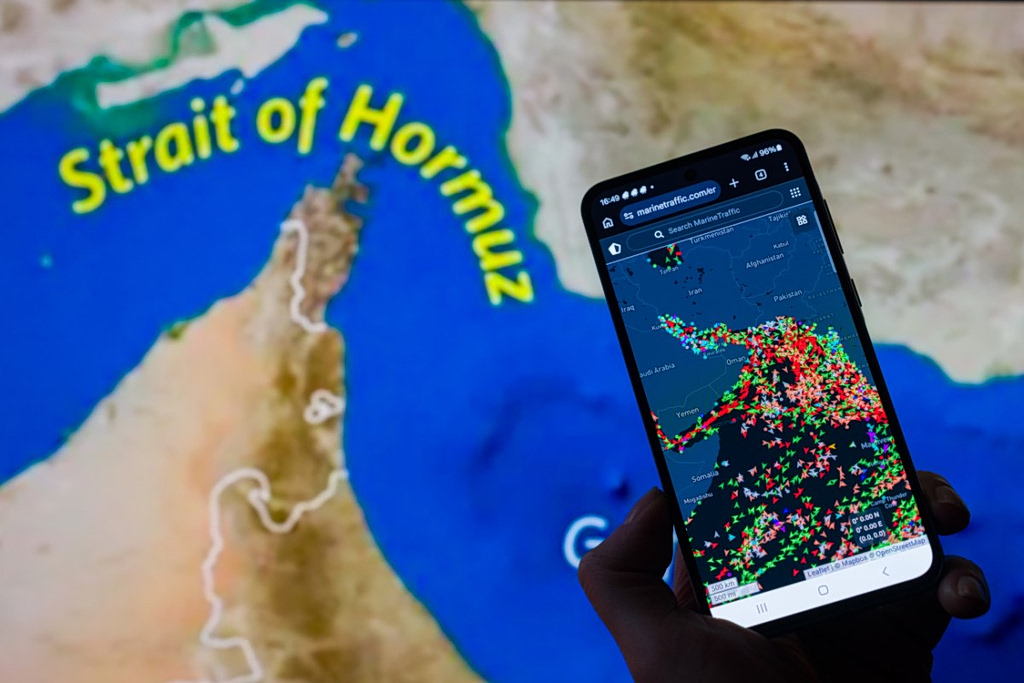
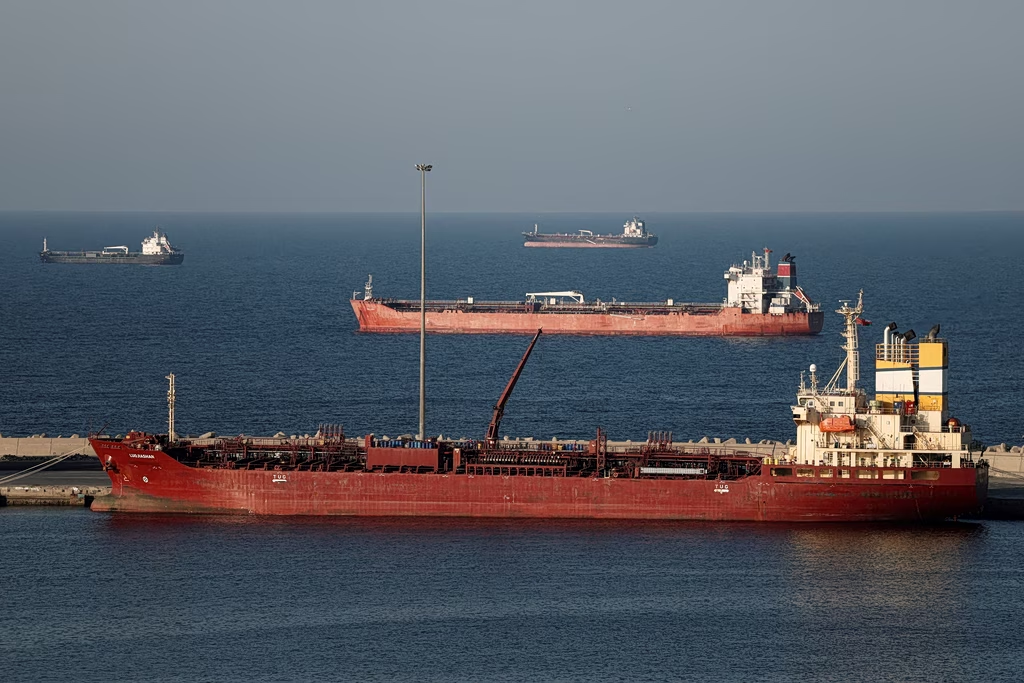
Spain said on Monday it would not take part in any military operation in the Strait of Hormuz, which has been under constant Iranian attacks with missiles and drones since the war started. Spain’s defense minister, Margarita Robles, and the country’s minister of foreign affairs, José Manuel Albares Bueno, made it clear they would deploy warships to the region, calling the war “illegal”.
In two separate statements, one on his social media platform “Truth Social” and another on board the US Air Force One, Trump pressed US allies to assist American military actions to mitigate the impact caused on global trade and oil prices by Iranian strikes against ships attempting to sail through the water passage.
“Many Countries, especially those who are affected by Iran’s attempted closure of the Hormuz Strait, will be sending War Ships, in conjunction with the United States of America, to keep the Strait open and safe”, Trump posted on Truth Social on Saturday, calling on China, France, Japan, South Korea, the UK, and others, “that are affected by this artificial constraint,” to dispatch warships to the area.
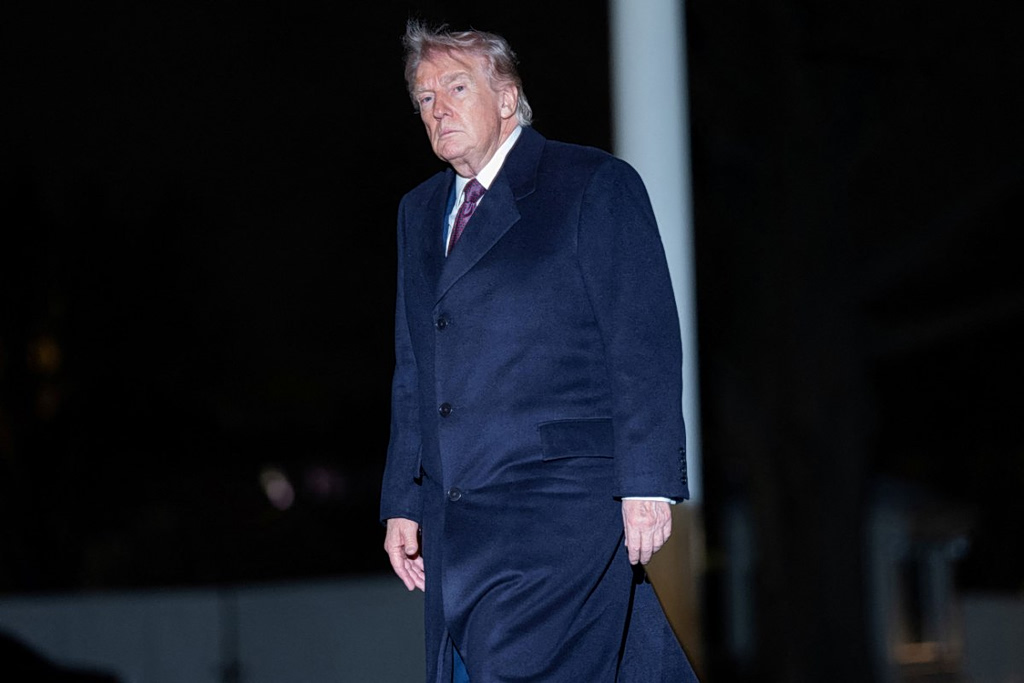
Trump isolated?
In a more brazen statement on board Air Force One, the US President said: “I’m demanding that these countries come in and protect their own territory because it is their territory,” Trump told reporters aboard Air Force One. “It’s the place from which they get their energy.”
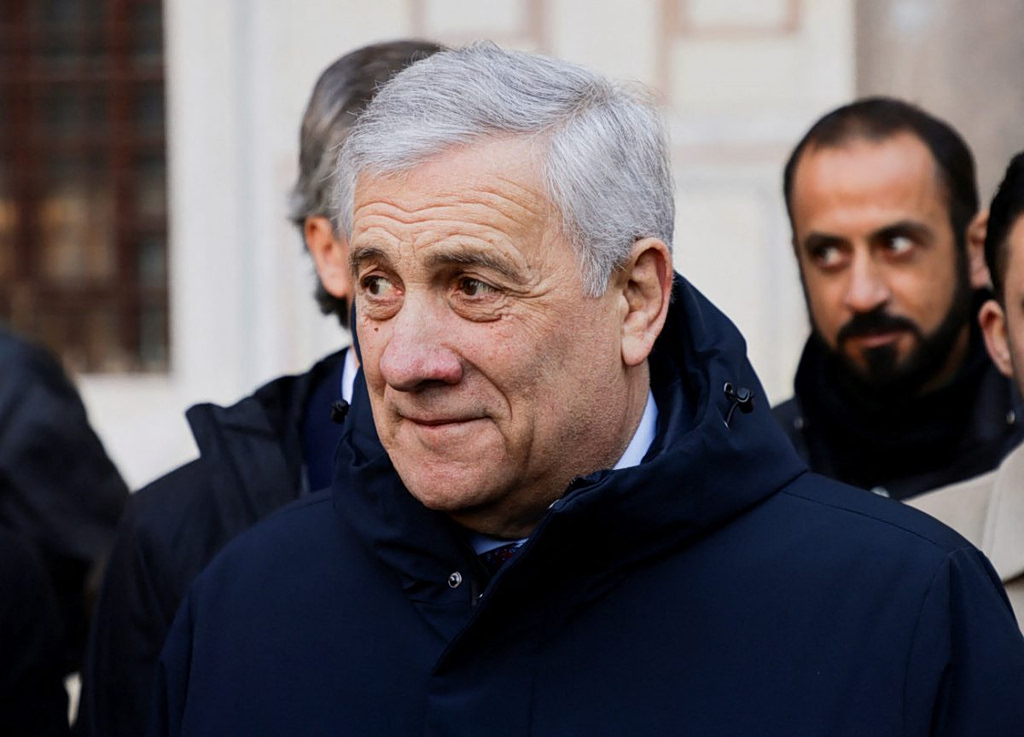
Italy also responded they would not participate in military actions in the region, with Italian Deputy Minister and Foreign Affairs Minister Antonio Tajani underlining that diplomacy was the right way to solve the crisis in the Hormuz Strait, and there were no naval missions Italy is involved in that could be extended to the area.
“As far as Hormuz is concerned, I believe diplomacy needs to prevail,” Tajani told reporters on the sidelines of a meeting in Brussels.
Meanwhile, German foreign minister Johann David Wadephul ruled out German participation in efforts to secure the Strait of Hormuz, indirectly responding to a request from the United States for military support from countries “that receive oil through the strait.” He also expressed reservations about a possible expansion of the existing mission of the European Union in the region.
“We will not participate in this conflict,” Wadephul said in an interview Sunday evening with German public broadcaster ARD.
He added that the United States and Israel had told him their attacks were aimed at destroying Iran’s military capabilities — particularly its nuclear and missile programs.

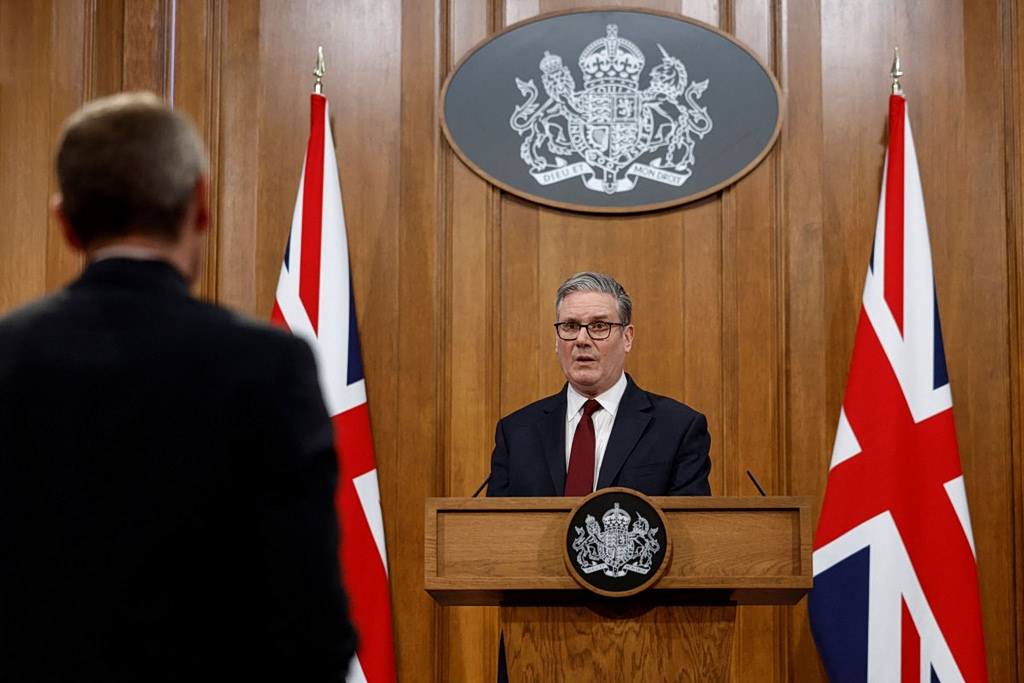
UK Prime Minister Keir Starmer said on Monday Britain would not be drawn into a wider war in Iran but would work with allies on a “viable” plan to reopen the key Strait of Hormuz, a task he said would be “difficult” without de-escalation in the Middle East.
The French Foreign Ministry confirmed that France would not send ships to the Strait in a post on social platform X on Sunday in response to Trump’s Truth Social statement.
The ministry said its naval mission is in the Eastern Mediterranean and remains “defensive”.
❌ No. 🇫🇷 aircraft carrier and its group staying the eastern Mediterranean. Posture has not changed: defensive it is.
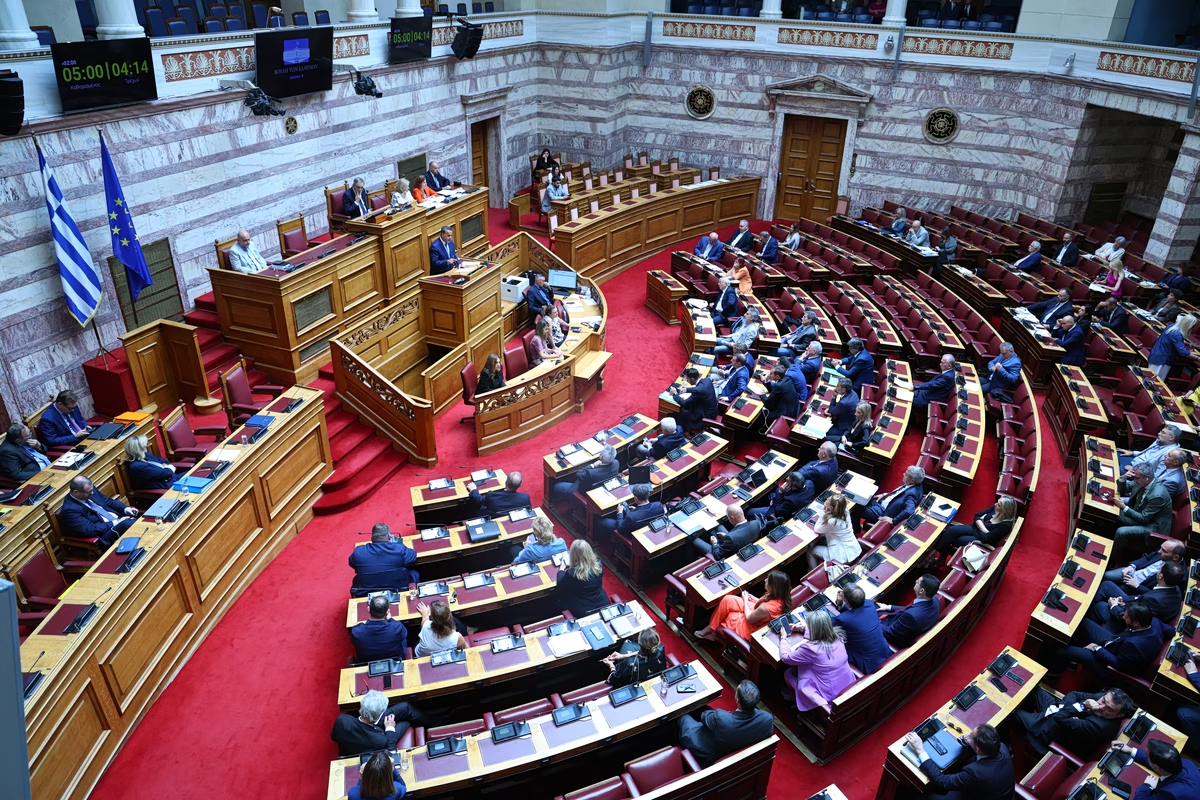
Greece also ruled out on Monday that it would be involved in any military action in the region.
Despite objections from the two major European powers, France and Germany, a report by the Financial Times says European Union foreign ministers are still discussing the possibility of expanding naval presence in the region.
According to a European official cited in the report, a joint mission between the European Union and the United Nations is considered “more likely” than bilateral initiatives.
The proposal is seen as an attempt to find a middle ground that would ensure the safe passage of oil shipments while avoiding the risk of triggering a full-scale war.