 Μake us preferred on Google
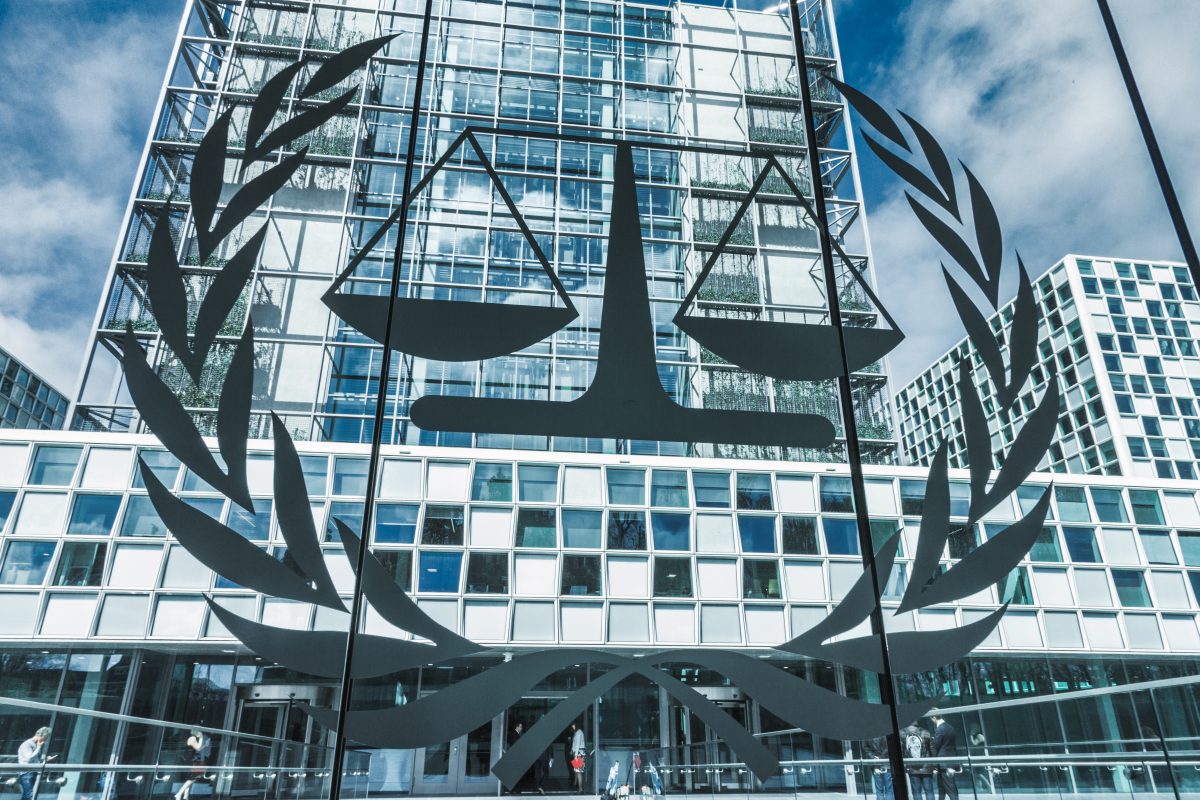
 The Trump administration has launched a new campaign aimed at isolating the International Criminal Court (ICC), with Secretary of State Marco Rubio describing the court as a threat to U.S. sovereignty and signaling that Washington is prepared to use diplomatic and economic measures against it.
In a video message released on Monday, Rubio said the ICC, originally created to prosecute the world’s gravest crimes, had evolved into “something far more radical and extreme.” He said the administration would not allow the court to threaten American military personnel or government officials.
“The Trump administration is launching an effort to dismantle what it calls the threat to U.S. sovereignty posed by the International Criminal Court,” Rubio said.
New sanctions under consideration
According to a U.S. State Department official, the administration is considering a broad range of actions against the ICC, including travel bans, visa revocations, expanded sanctions targeting the court and affiliated organizations, and a diplomatic campaign encouraging countries to withdraw from the institution.
“No diplomatic option will be off-limits in the campaign to dismantle the threat posed by the ICC to Americans,” the State Department said in a statement.
The ICC declined to comment on the developments.
Pressure on U.S. allies
The diplomatic effort also extends to U.S. allies and partner countries.
A State Department official said Rubio and other senior U.S. officials are urging governments to reject what Washington considers the ICC’s authority to prosecute American officials and service members.
According to the official, countries that cooperate closely with U.S. law enforcement, host American military forces or rely on U.S. security assistance are being encouraged to oppose the court’s jurisdiction over U.S. nationals.
The official added that countries benefiting from U.S. assistance while refusing to reject the ICC’s authority could face increased scrutiny.
Long-standing opposition to the court
The United States has never been a member of the ICC, which was established in 2002 to prosecute war crimes, genocide and crimes against humanity when national authorities are unwilling or unable to do so.
Although Washington is not a party to the court, the ICC maintains that it can prosecute nationals of non-member states if alleged crimes are committed on the territory of one of its member countries.
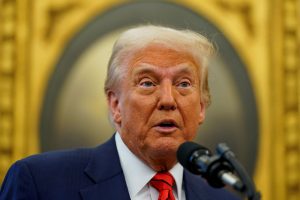
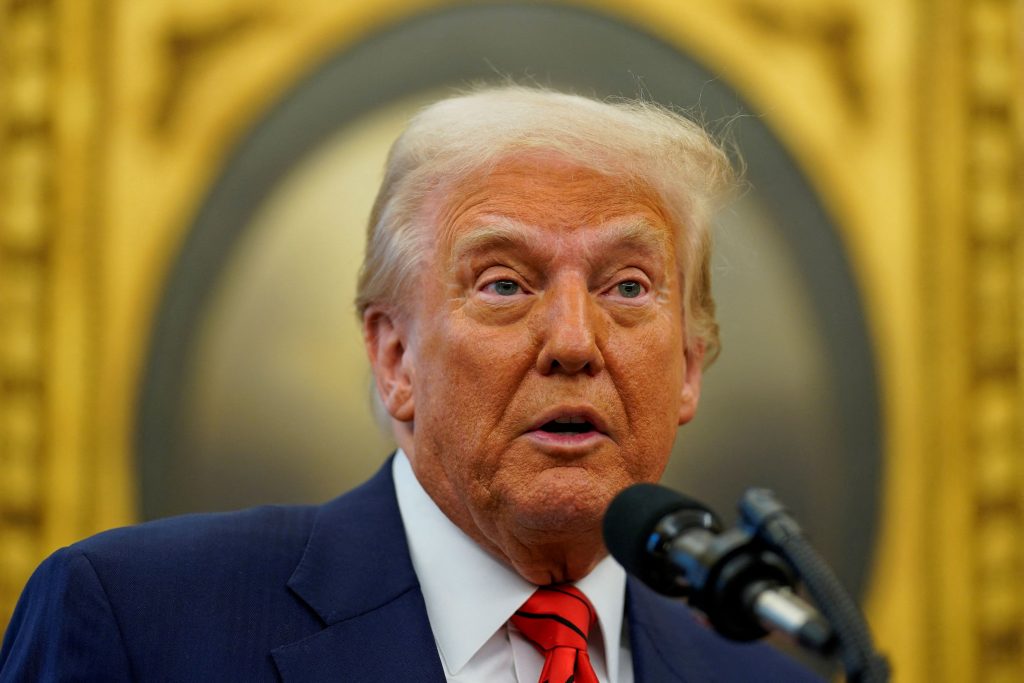
Opposition to the court has been a longstanding position for President Donald Trump. Reuters reported that the administration has supported sanctions against ICC officials in part to prevent any future attempts to hold Trump or members of his administration accountable for U.S. military actions overseas.
The administration’s stance intensified after the ICC issued an arrest warrant in November 2024 for Israeli Prime Minister Benjamin Netanyahu, a close Trump ally.
Last month, three ICC judges filed a lawsuit against the Trump administration over sanctions imposed on them last year, arguing that the measures were unlawful.
Rubio cites concerns over future prosecutions
In an opinion article published in The Wall Street Journal, Rubio argued that activists had called for the ICC to investigate U.S. personnel over issues including the administration’s migrant deportation policies and military operations targeting vessels suspected of carrying narcotics.
“As we speak, the ICC and its friends are waging a war against our country, not with bullets and missiles, but with statutes, compacts, and the force of so-called international law,” Rubio said, warning that Border Patrol agents, Marines and terrorism prosecutors could become targets of future prosecutions.
Reuters noted that the ICC has taken no recent steps to investigate U.S. personnel. While prosecutors opened an investigation into possible crimes committed in Afghanistan in 2020, the court shifted its focus in 2021 toward alleged crimes by the Taliban and the former Afghan government, deprioritizing the role of U.S. forces.