 Μake us preferred on Google
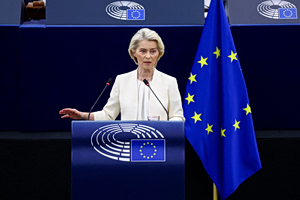
 The European Union sent a clear message to Ankara following the Foreign Affairs Council, with High Representative Kaja Kallas stressing that Turkey must respect the sovereignty and sovereign rights of all EU member states.
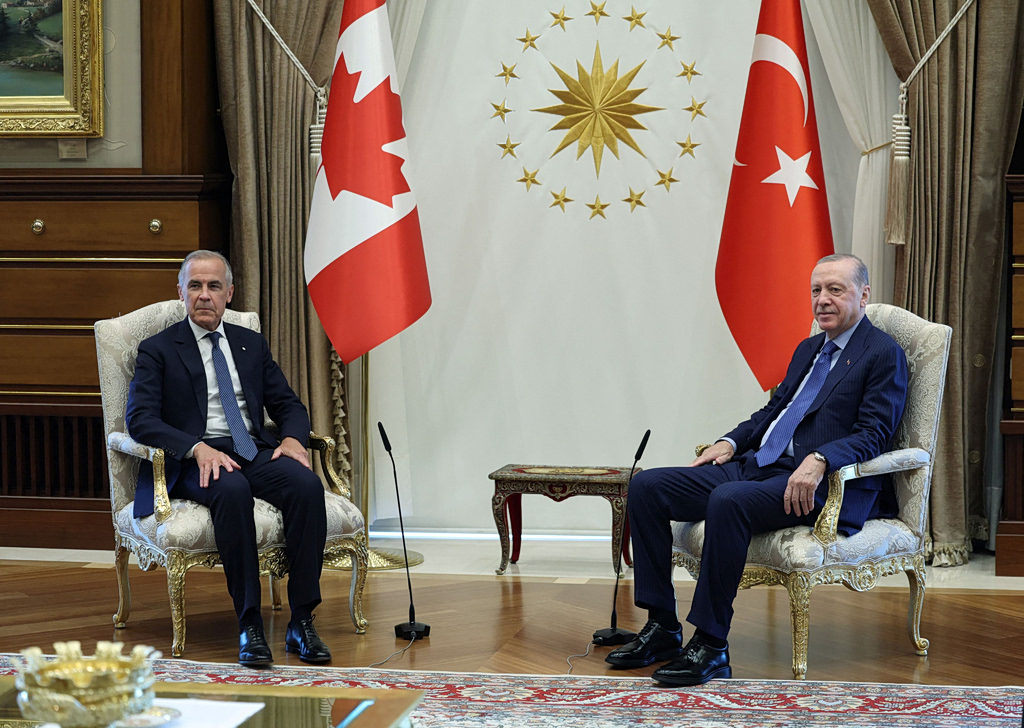
The remarks are directly tied to plans for a natural gas pipeline connecting Turkey to the Turkish-occupied area of Cyprus, a project adding a new geopolitical dimension to developments in the Eastern Mediterranean.
After the EU foreign ministers’ meeting, Kallas said Cyprus had formally raised the issue of the planned pipeline. She made clear the EU expects Ankara to respect the sovereignty and sovereign rights of all member states, reiterating Brussels’ longstanding position on developments in the Eastern Mediterranean. The intervention carries particular weight coming just days after Turkey and the breakaway entity in northern Cyprus signed a memorandum of cooperation on the project.
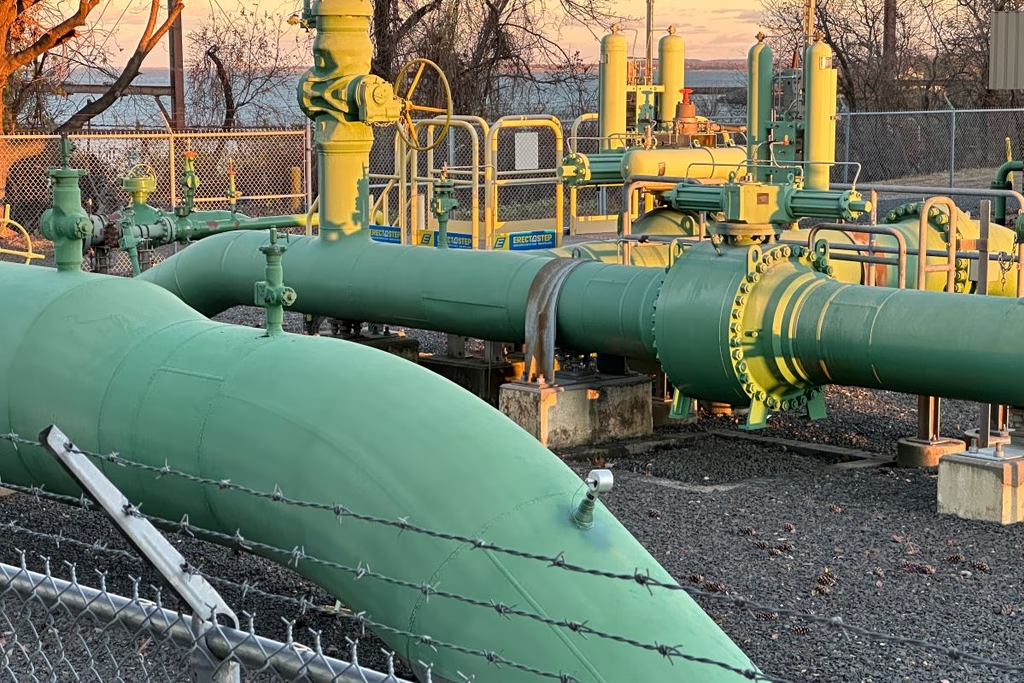
According to Turkish announcements, the pipeline would run about 101 kilometers in total, with 97 kilometers underwater and four on land, starting from Anamur on Turkey’s southern coast and ending in the Teknecik area of the occupied north. The project isn’t limited to the undersea pipeline itself; it also includes receiving terminals, onshore distribution networks and auxiliary energy facilities, aimed at fully developing gas infrastructure in the north. No official cost or completion timeline has been announced.
Turkish Energy Minister Alparslan Bayraktar said the system would consist of two 22-inch pipelines capable of bidirectional flow, meaning gas could move not only from Turkey to the north but also in the opposite direction, with the eventual goal of channeling gas toward European markets through Turkey’s network, a detail raising questions about future supply sources and the role Ankara is seeking to play in the region’s energy planning.
Turkey has presented the pipeline as a strategic investment to meet the north’s energy needs, particularly for gas-fired electricity generation, noting it has already installed mobile power generation units there and supplies it with liquid fuel through state companies. The new pipeline is expected to deepen the north’s energy dependence on Turkey, since control of supply and core energy infrastructure would remain exclusively in Ankara’s hands. Turkish officials have called it a “project of the century” for the region, describing it as a catalyst for the area’s economic and energy development.
Kallas also addressed developments in the Middle East, saying the EU continues to prioritize protecting freedom of navigation in the Persian Gulf and Red Sea, noting the Houthi threat remains active and that the EU’s Aspides naval operation continues to play a critical role protecting international shipping. She said she would visit the Italian warship taking part in the mission this Thursday to be briefed on its progress, and reaffirmed the EU’s position that Iran must not acquire a nuclear weapon, along with Brussels’ intent to deepen cooperation with Gulf states.
At the same Council meeting, Kallas said all 27 member states agree that Israeli settlements are illegal under international law. She said the European Commission presented options for tightening trade restrictions with the settlements, with one particular proposal drawing the most support among member states; EU ambassadors will now work out next steps, and an emergency session to finalize decisions has not been ruled out.