
 Μake us preferred on Google
 The United States and Iran resumed major hostilities Wednesday after weeks of relative calm, trading attacks across the region in the most significant escalation between the two sides since July.
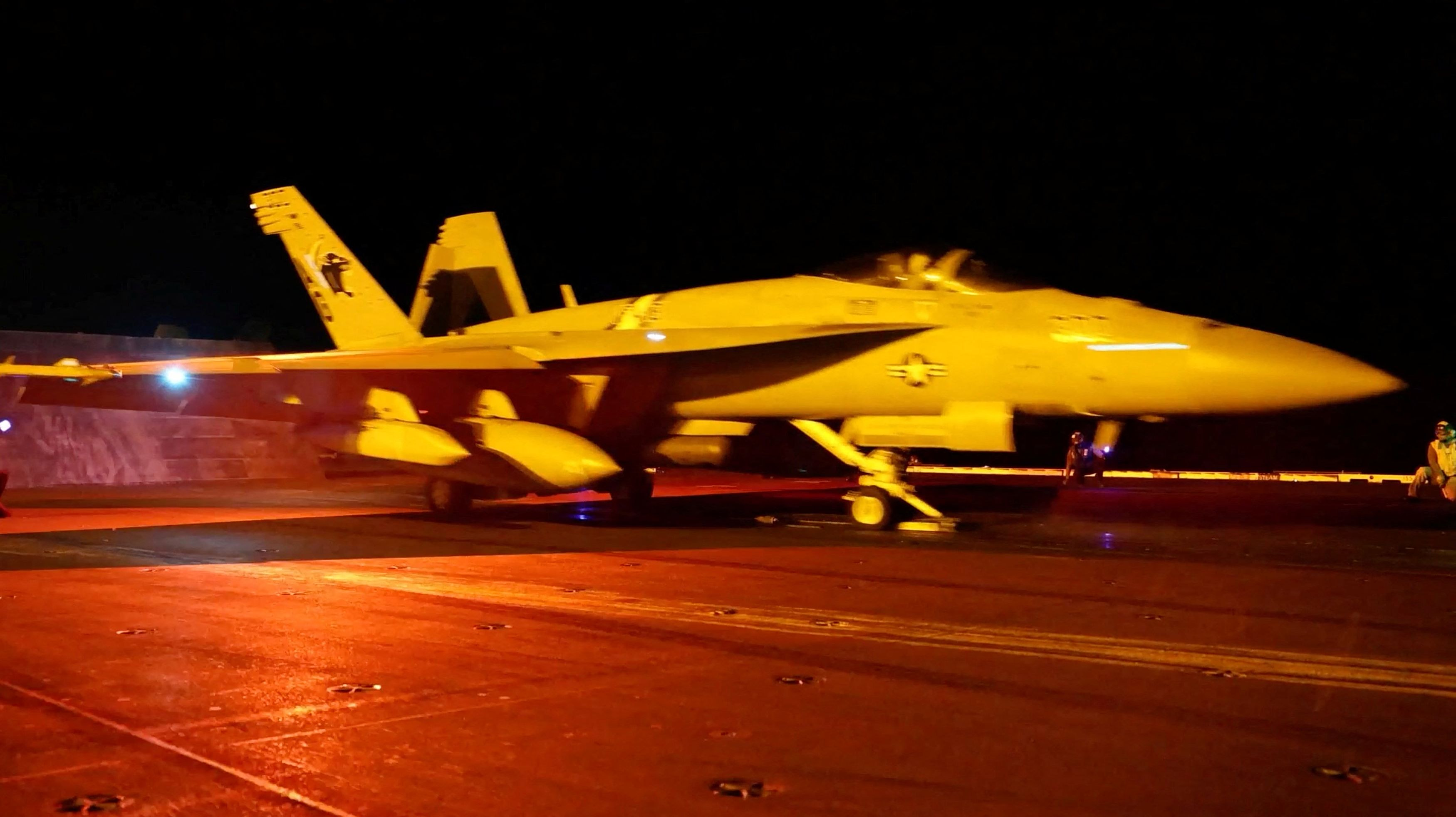
The renewed fighting began with a U.S. campaign against targets linked to Iran’s Islamic Revolutionary Guard Corps, or IRGC. U.S. Central Command said the strikes on Tuesday hit air defense positions, radar systems, maritime assets, mine-laying capabilities, communications facilities and other military infrastructure.
— U.S. Central Command (@CENTCOM) September 1, 2026
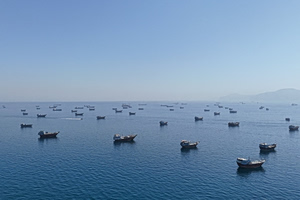
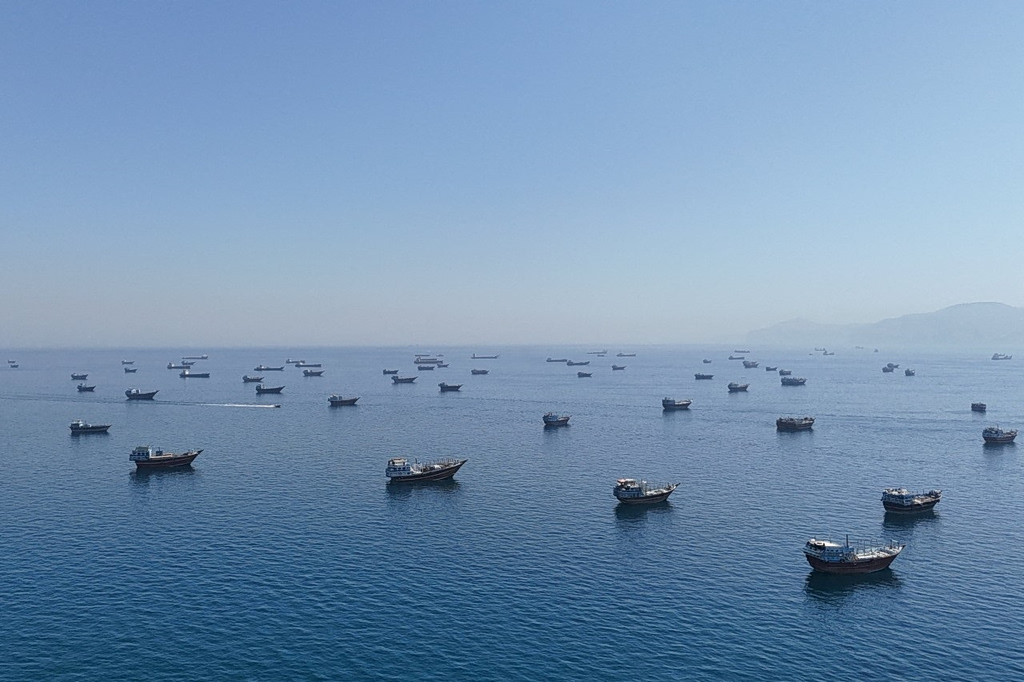
Iranian media reported strikes on several locations across the country, including areas near the Strait of Hormuz, where Tehran has threatened oil tankers attempting to pass through the strategic waterway without authorization.
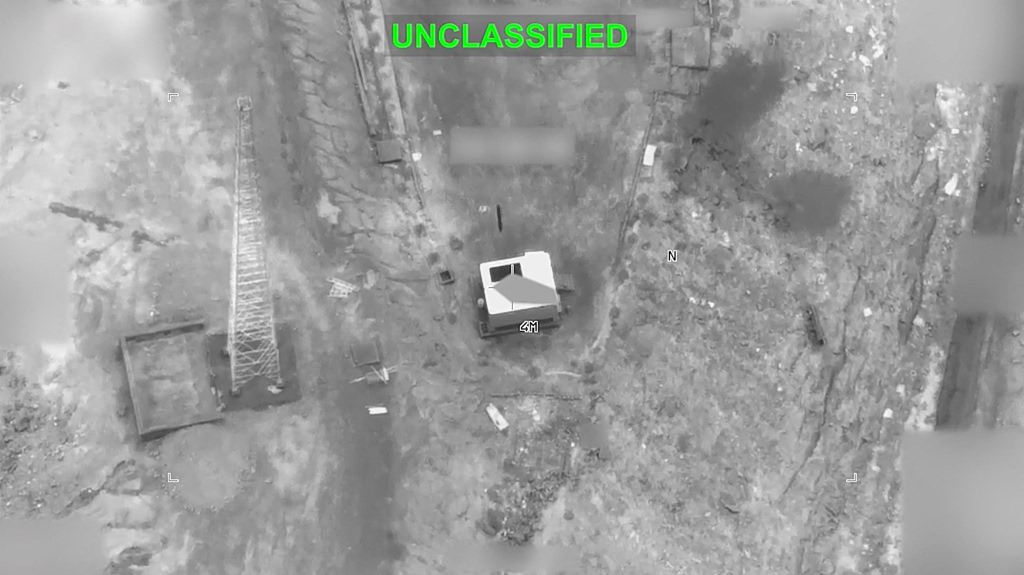
A screengrab from a video obtained from social media on September 1, 2026, shows a view shortly before what U.S. Central Command (CENTCOM) says was a U.S. strike on an Iranian military target. U.S. Central Command/Handout via REUTERS THIS IMAGE HAS BEEN SUPPLIED BY A THIRD PARTY. MANDATORY CREDIT. BLURRING FROM SOURCE Verification: Reuters was not able to independently verify the location and the date when the video was taken, however they match official reports of U.S. strikes on Iran and no earlier versions of the video were found posted online before September 1.
Iran retaliates across the region
Iran said it responded by attacking U.S. military assets in Jordan and Iraq. Iranian media also reported an attack in Bahrain.
The IRGC claimed that its strikes in Jordan killed a large number of U.S. personnel. Two U.S. officials, however, told Reuters that initial assessments showed no American casualties.
Jordan’s armed forces said its air defenses dealt with 13 ballistic missiles that entered the country’s airspace. Ten were intercepted, while three landed in remote areas. Bahrain separately said its forces also intercepted and destroyed Iranian drones.
The IRGC also said its ground forces launched coordinated missile and drone attacks against U.S. bases in Erbil, northern Iraq, claiming several American personnel were killed. Neither the Iraqi government nor the United States had confirmed the reported attack.
The exchange represents the first major combat between the two sides since July, ending a period in which both had largely refrained from attacking each other but had also made little progress toward restarting negotiations.
Both sides face mounting pressure
The weeks-long lull came as the conflict appeared to be imposing growing costs on both countries.
Iran’s already struggling economy has suffered further damage from the war, while its conventional military capabilities have been weakened. The United States has also faced pressure, including rising fuel prices as President Donald Trump approaches November’s congressional elections.
The U.S. Army has reportedly used a substantial portion of its global supply of precision long-range missiles during the conflict, raising concerns about its readiness for future military operations.
Despite those pressures, the renewed fighting was accompanied by increasingly confrontational statements from both governments.
Trump said the United States now had “almost total control” of the Strait of Hormuz and described Iran’s economy as collapsing. He also called on Iranians to rise up against their government.
Iran’s joint military command warned that continued U.S. military action would bring broader and more severe retaliation, including against countries cooperating with Washington.
Iran reports deaths at wedding
Iran also accused the United States of killing civilians in a strike near Sirik, a coastal area along the Strait of Hormuz.
The Iranian Red Crescent said five people were killed and 50 wounded at a wedding. Iranian state and semi-official media gave different figures for the number injured, with IRNA citing a provincial official who put the toll at 68. Mehr reported that a 4-year-old child was among those killed.
U.S. officials have not commented on the reported incident.
Iran’s Foreign Ministry said the strike was part of what it described as a wider pattern of attacks against civilians. It referred to the earlier bombing of a girls’ school in Minab, which killed 160 people on the first day of the war.
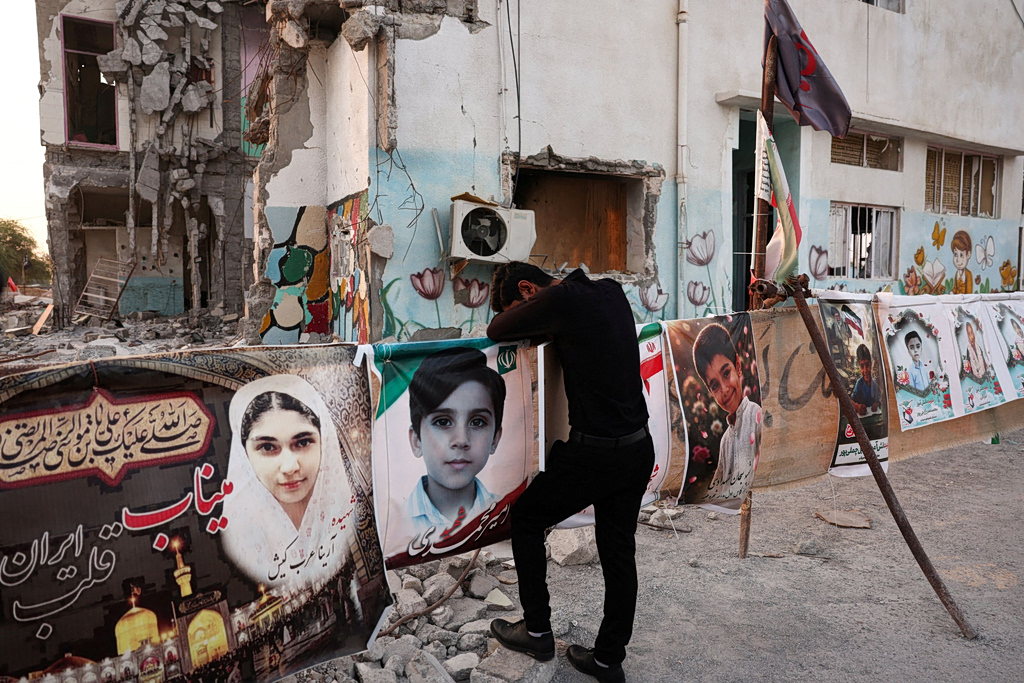
Masoud, an Iranian man who lost his son Mohammad Taha in the Minab school strike on February 28, reacts at the school in Minab, Iran, August 27, 2026. Majid Asgaripour/WANA (West Asia News Agency) via REUTERS ATTENTION EDITORS – THIS PICTURE WAS PROVIDED BY A THIRD PARTY. ISRAEL OUT. NO COMMERCIAL OR EDITORIAL SALES IN ISRAEL. NO ACCESS FOR ISRAELI MEDIA. NO USE BBC PERSIAN. NO USE VOA PERSIAN. NO USE MANOTO. NO USE IRAN INTERNATIONAL. NO USE RADIO FARDA. DIGITAL: NO USE BBC PERSIAN. NO USE VOA PERSIAN. NO USE MANOTO. NO USE IRAN INTERNATIONAL. NO USE RADIO FARDA. TPX IMAGES OF THE DAY
The Pentagon has not issued a formal determination on the Minab strike. Two people familiar with the matter previously told Reuters that outdated targeting information may have contributed to the incident.
Iran’s Foreign Ministry said Tehran would respond to what it called “savage crimes” and warned governments and international organizations against remaining silent or defending such actions.