US intelligence agencies are conducting an in-depth investigation into whether Russia actively assisted Iran in recent drone strikes on covert CIA facilities in the Persian Gulf. Sources cited by American authorities say officials are seriously examining whether Moscow supplied sensitive targeting data or advanced technology that allowed Iranian unmanned aircraft to carry out precision strikes. US analysts haven’t reached firm conclusions, but the unusual accuracy of the strikes has set off alarm in Washington.
The “double” strike in Riyadh and upgraded Shaheds
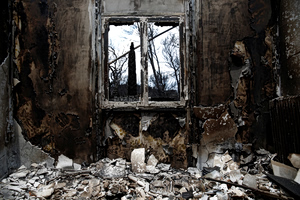
According to a classified memo from a Western intelligence service, at least two CIA facilities were hit in March: the agency’s station inside the US embassy in Riyadh, Saudi Arabia, and a separate site in eastern Iraq. Officials in the Gulf region described a strikingly coordinated attack on the Riyadh embassy involving two Iranian Shahed-type drones upgraded with Russian technology. The first drone punched a hole through a vulnerable point in the building’s exterior wall, and the second immediately followed through the opening and detonated. No casualties were reported.
Sources say Russia has equipped Iranian Shahed-136 drones with the Kometa-M satellite navigation system, making them highly accurate and largely resistant to electronic jamming countermeasures.
Coincidence or targeted strike?
The locations of CIA facilities abroad, from embassy stations to safe houses and supply hubs, are closely guarded secrets. Some analysts remain cautious, suggesting Iran may simply have been targeting the US embassy generally and hit the CIA station by chance. But most assessments lean toward the view that few countries besides Russia have both the technical capability and a strong motive to strike such sensitive American targets.
Escalating US-Russia tensions
Former CIA station chief Daniel Hoffman said such Russian assistance wouldn’t be surprising, noting that Moscow and Tehran share a common interest in reducing or eliminating American influence in regions they consider their own spheres of influence. If Kremlin involvement is confirmed, it would suggest Vladimir Putin is willing to push things to the edge, directly undermining US operations at a moment when Washington is trying to end its war with Iran. The White House referred questions to the CIA, which declined to comment, while Russia has previously dismissed similar accusations as “fake news.”