 Μake us preferred on Google
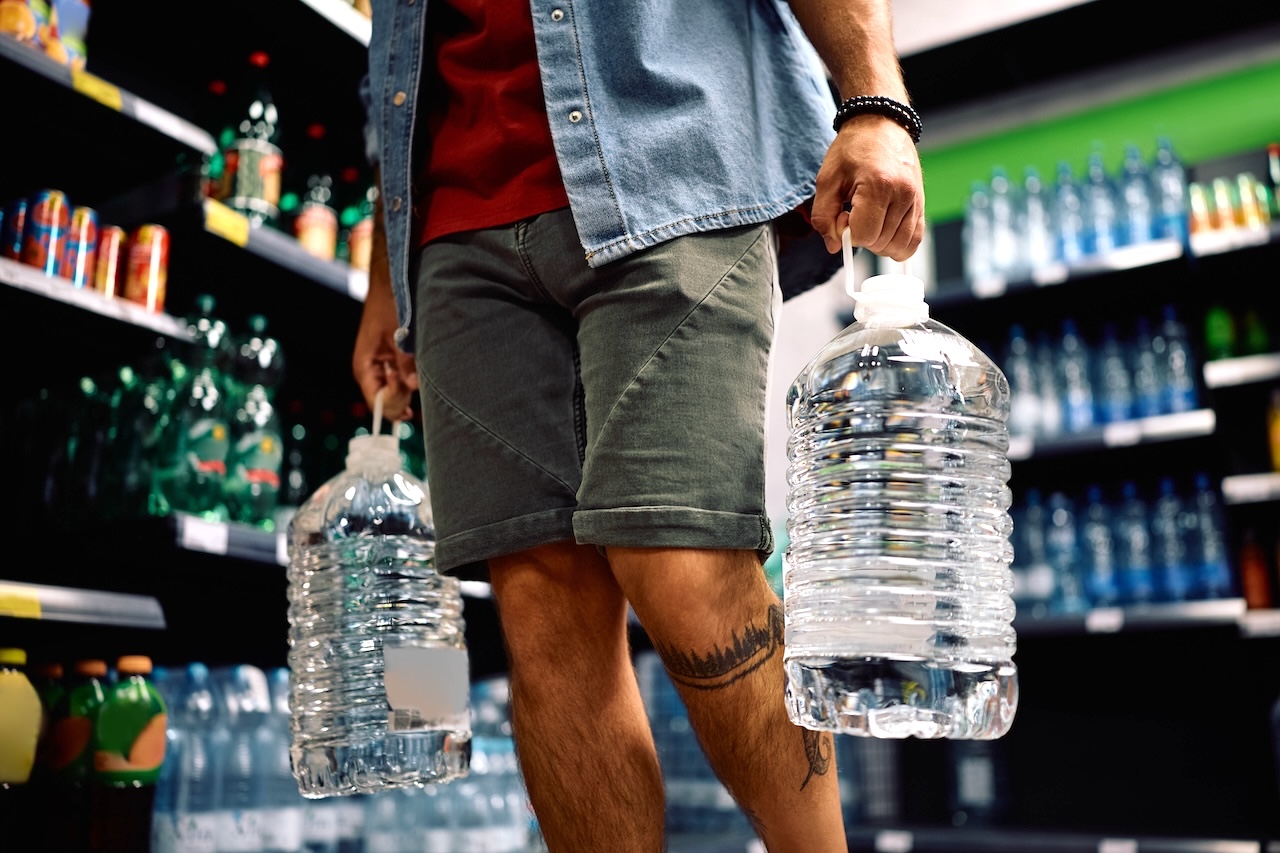
Britons rushed to stock up on basic staples, bottled water, and other household essentials after the government launched a national campaign urging people to prepare for emergencies that could disrupt everyday life.
The call, issued earlier this month, is the first phase of the three-year “Be Ready” campaign aimed at helping households across the UK prepare for crisis, including incidents such as severe weather and cyberattacks that could cause disruption and affect electricity, water supplies, phone networks, and internet services.
The government advised households to assemble an emergency kit containing essential supplies to last at least three days, allowing families to manage independently during short-term disruptions.
According to UK media reports, items selling out fast included canned foods such as beans and soup, bottled water, as well as tools such as flashlights, radios and power banks.
The Independent reported that supermarkets and hardware stores have seen increased demand for some of these products. British supermarket chain Iceland said “supplies of these products remain healthy” and went on to note that it was “clear” the public had taken heed of the government’s message.
Security Minister Dan Jarvis said the initiative was designed to strengthen the country’s ability to cope with emergencies while reducing pressure on emergency services.
“By taking simple steps to be ready for everyday emergencies like severe storms, people can reduce pressure on emergency services, helping them prioritize people who need more support in an emergency,” Jarvis said. He added that the campaign would help improve national resilience and bring the UK into line with European countries where household emergency preparedness advice is more commonplace.
The UK’s ‘Be Ready’ Checklist
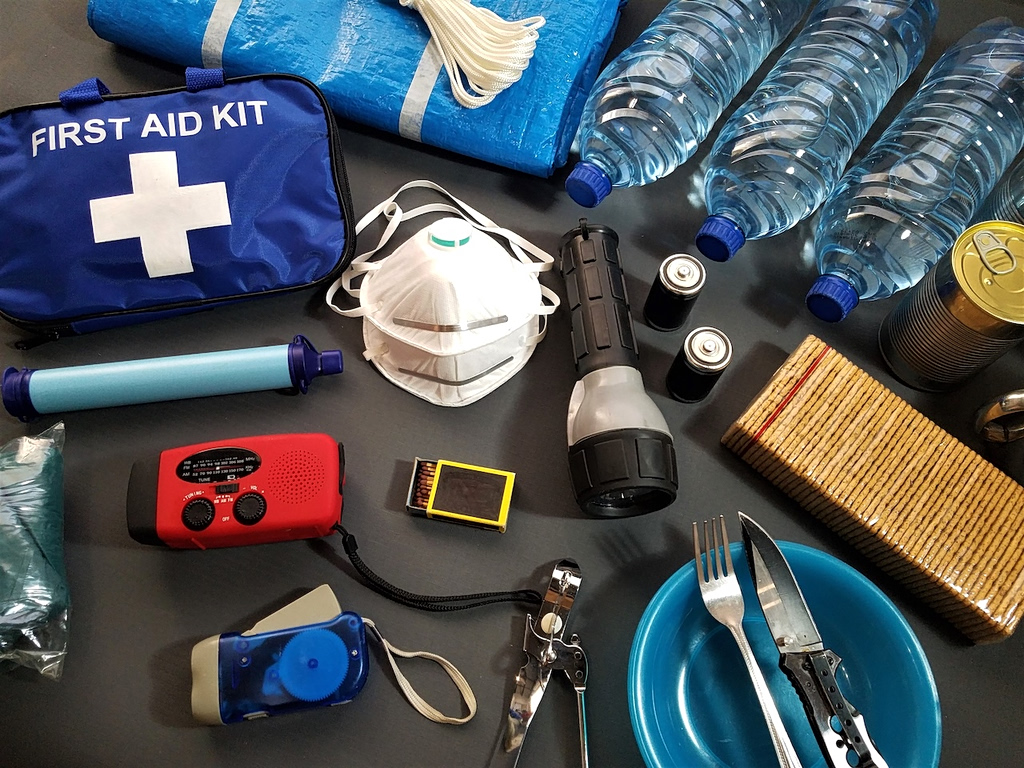
The UK government recommends preparing a supply of essential items to cover the needs of everyone in the household for at least 72 hours. These include:
– non-perishable food that doesn’t need cooking
– sanitizers and wet wipes for hygiene
– flash light and spare batteries
– blankets, sleeping bags and warm clothing
– portable power bank, a battery or wind-up radio
– first aid kit and prescribed medications (with written doses)
– families should also stock up on baby supplies and baby formula
– mix of cash, coins and cards
– photocopies of IDs and documents
– a list of important phone numbers and information.
Advice also encourages people who may need additional assistance during an emergency to register with the Priority Services Register, which helps utility providers identify customers who require extra support.