
Artificial intelligence is steadily pushing into new realms of human thought and activity. Faith—understood by hundreds of millions around the world as love, refuge, kindness, and hope—now faces an unexpected question: how can it resist, or adapt to, this technological advance?
A pastor’s role is to guide believers toward a closer relationship with the divine. Yet as Christmas approaches and sermons are being prepared, trust in the clergy in the United States has fallen to historic lows. More people now pray in their cars than in churches, The Economist notes.
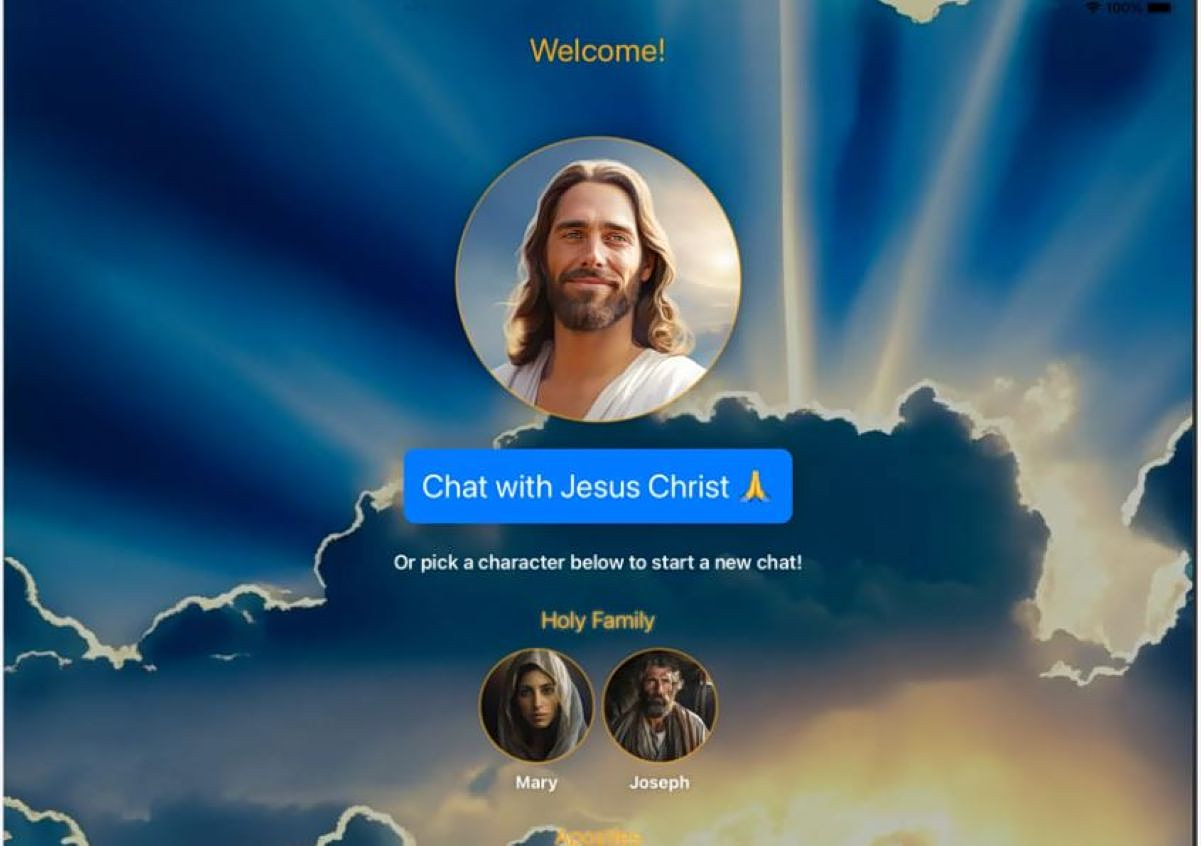
Into this vacuum steps Silicon Valley. The app Text with Jesus, built on OpenAI’s ChatGPT, allows users to ask personal and theological questions. Represented by a hipster-style avatar with a neatly trimmed beard, Jesus responds with gentle encouragement and biblical quotations.
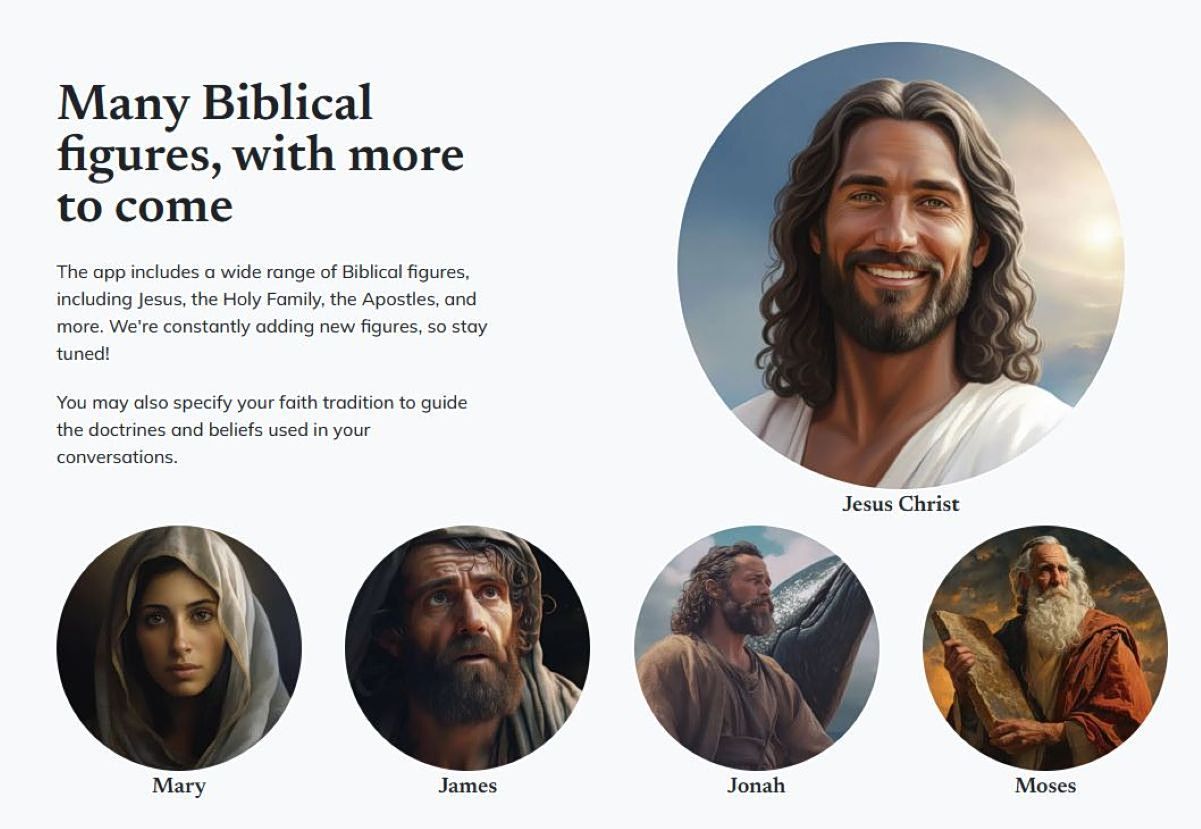
Users can also choose other figures—Mary for comfort, Cain or Judas for tougher conversations. The app has around 150,000 users, mainly in major U.S. cities, Mexico, and South America.
Critics remain uneasy. Some argue the AI Jesus is too eager to please modern ears and strays from the biblical figure. Even the app’s French founder, Stéphane Peter, admits his own mother finds it blasphemous.
Religious leaders have issued warnings, echoing broader fears about AI’s power. For now, at least, one feature remains off by default: the “Satan” mode—available only to paying subscribers who actively switch it on.