 Μake us preferred on Google
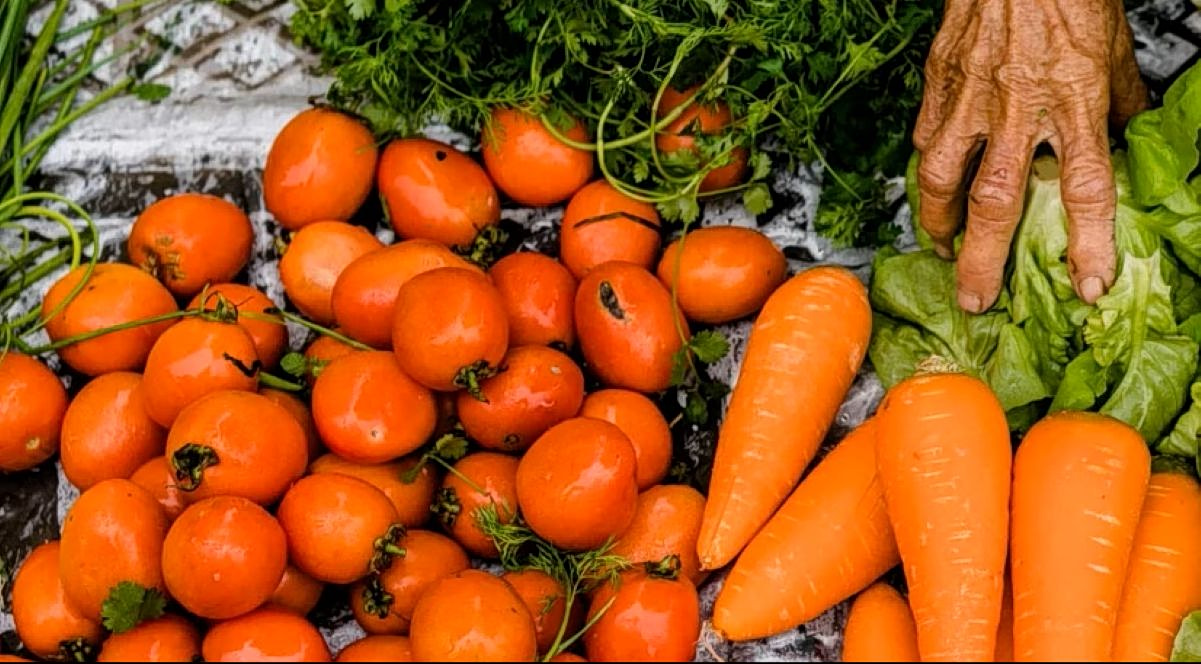
 Nearly 866 million people worldwide fall ill each year after consuming contaminated food, while 1.5 million die from diseases linked to unsafe food consumption, according to alarming new figures released by the World Health Organization (WHO) ahead of World Food Safety Day on June 7.
The report identifies children under the age of five as the most vulnerable group. Although they account for just 9% of the global population, they represent nearly one-third of all foodborne illness cases. Young children are almost three times more likely than older age groups to become sick from contaminated food.
Foodborne diarrheal diseases are particularly dangerous, often proving fatal for the youngest patients. Exposure to toxic substances such as lead, mercury and inorganic arsenic can also cause irreversible damage to brain development and the nervous system.
According to the WHO, biological hazards—including bacteria, viruses and parasites—were responsible for the overwhelming majority of foodborne illnesses, causing around 860 million cases in 2021. However, chemical contaminants are linked to a disproportionately high number of deaths. Nearly 73% of fatalities associated with contaminated food were attributed to chemical exposure, primarily inorganic arsenic and lead, both of which increase the risk of cancer and cardiovascular disease.
Researchers estimate that more than one million deaths in a single year can be linked to dietary exposure to these hazardous substances.
Beyond its human toll, unsafe food carries a significant economic burden. Lost productivity resulting from foodborne illnesses is estimated at $310 billion annually. When differences in living costs across countries are taken into account, the true global economic impact rises to an estimated $647 billion.
The WHO’s latest assessment covers 194 countries and examines 42 foodborne hazards, ranging from bacteria and viruses to toxic metals and parasites. It is the largest and most comprehensive analysis of its kind ever undertaken.
The report also highlights stark global disparities. Africa and Southeast Asia account for nearly three-quarters of all foodborne illnesses worldwide and roughly 60% of related deaths. Experts warn that climate change is exacerbating the problem by increasing the risk of food contamination, while the growing threat of antimicrobial resistance is making many infections harder to treat.
“Food safety is not an abstract concept. It affects every meal, every family and every day of our lives,” WHO Director-General Tedros Adhanom Ghebreyesus said. He emphasized that governments now have access to an unprecedented level of detailed data, enabling them to design more targeted interventions to protect public health.