 Μake us preferred on Google
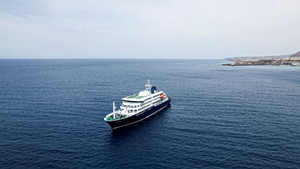
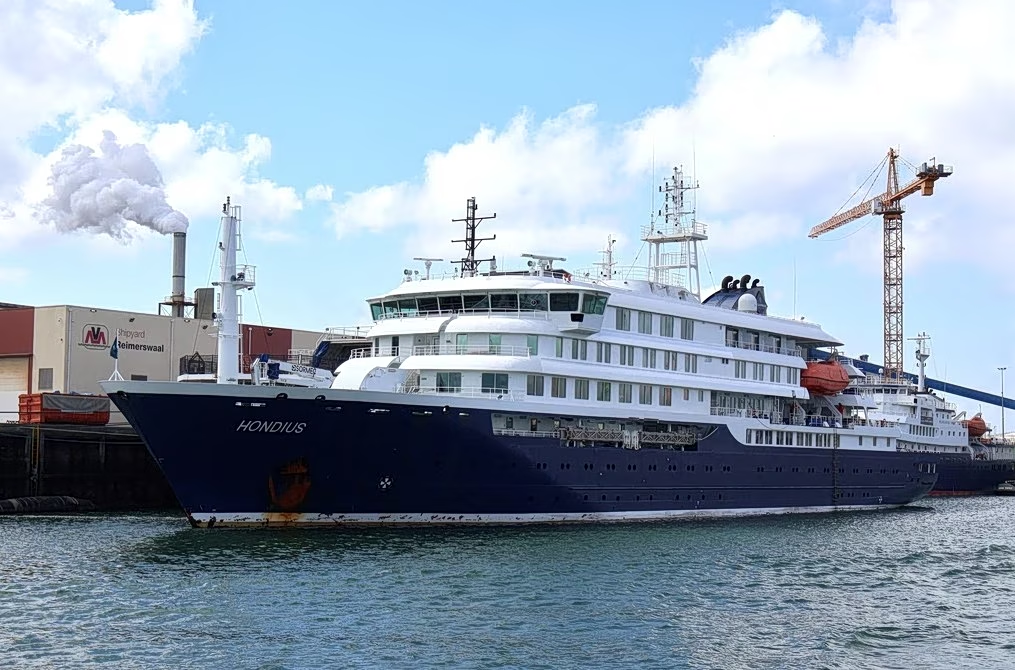
 As questions swirl around how an outbreak of hantavirus spread aboard the MV Hondius , an expedition cruise ship that departed Argentina for a weekslong itinerary through the South Atlantic, the incident has revived a particular kind of travel anxiety tied to the pandemic era.
Images of quarantined cruise passengers and officials in hazmat suits feel eerily reminiscent of the dozens of Covid-19 outbreaks that hit the cruise industry in early 2020. Three passengers from the Oceanwide Expeditions-operated ship are now dead and several others are ill following an outbreak of the rare but severe rodent-borne disease, according to the World Health Organization. The comparison to Covid-19, however, may be largely psychological.
“Covid PTSD is real, and I understand why people are connecting this situation to what happened in 2020,” said Dr. Céline Gounder, a physician and clinical associate professor of medicine and infectious diseases at New York University’s Grossman School of Medicine. “Surface level, it feels like the same story all over again. But it’s not.”
That hasn’t stopped would-be travelers taking to online forums like Reddit to ask whether they should scrap their cruise plans in light of the outbreak. Here, what you should know about the risks of illness on a cruise.
How common is hantavirus on cruise ships?
Outbreaks of hantavirus are extremely rare, said Gounder, on cruise ships or otherwise. Cruises more commonly contend with illnesses like norovirus, which accounts for more than 90% of diarrheal illnesses reported onboard, according to the CDC .
Part of what makes the Hondius incident unusual is that it involves a specific strain of the virus. The Andes strain is associated primarily with parts of Chile and Argentina, where the trip originated, and is the only known hantavirus strain capable of human-to-human transmission.
But transmission of the Andes strain, Gounder noted, is not generally thought to be transmitted as easily as airborne illnesses like Covid, flu or measles. “It requires close, intense contact, similar to that of a husband and wife or caregiver.”
The current outbreak on the MV Hondius is believed to be the first known hantavirus cluster on a cruise ship.
How common are any disease outbreaks on cruise ships?
Cruise ships occupy an outsize place in the public imagination when it comes to infectious disease. The perception of the ship as petri dish is shaped by decades of norovirus headlines and cemented by ships like the Diamond Princess and Grand Princess, whose onboard Covid-19 outbreaks became some of the earliest signs of the virus’s rapid global spread in 2020.
Dr. William Schaffner, a professor of infectious diseases at the Vanderbilt University School of Medicine, said the same dynamics that can contribute to outbreaks in places like college dorms, nursing homes and correctional facilities also exist aboard cruise ships.
“It’s a population intensely confined with very close interpersonal interactions for a long period of time,” Schaffner said. “All of us in public health understand that closely confined populations can occasionally be the focus of outbreaks.”
Still, some doctors caution against assuming the ship itself is the reason for the outbreak, pointing to prevailing theories that the disease was first contracted off-ship.
“The cruise ship doesn’t have anything really to do with it, other than the fact that the initial index patient was on a cruise and spread it,” said Dr. Amesh Adalja, an infectious-disease physician and senior scholar at the Johns Hopkins Center for Health Security in Baltimore, where he specializes in pandemic preparedness, biosecurity and emerging diseases.
Adalja pointed to a 2018 Andes virus outbreak in Argentina linked to a birthday party, not a ship. He added that while cruises tend to attract attention when illness occurs onboard, infectious disease exposure exists across daily life. In the U.S., cruises account for just 1% of reported norovirus outbreaks. The global cruise industry was expected to carry nearly 38 million passengers in 2025 across a fleet of more than 300 oceangoing vessels, according to the Cruise Lines International Association (CLIA).
“You’re more likely to get norovirus in your day-to-day life than you are on a cruise, but people still associate it with cruises,” Adalja said.
What happens when there’s an outbreak onboard a cruise?
When illnesses emerge onboard cruise ships, operators may isolate sick passengers, intensify cleaning routines and even collect samples for testing when in port.
Public-health oversight can vary depending on where ships are registered and where they sail. For vessels traveling into U.S. ports, federal regulations require operators to report certain illnesses among passengers or crew directly to the CDC. Cruise ships are also subject to the agency’s Vessel Sanitation Program , which oversees sanitation inspections, outbreak monitoring and public-health guidance for participating vessels.
Ships in international service, like the MV Hondius, are also expected to follow health and sanitation protocols established under the World Health Organization, alongside programs like the EU Healthy Gateways , a European Union-supported public health initiative focused on preventing the cross-border spread of infectious diseases through travel and transport.
Oceanwide Expeditions, which declined to comment for this article, has publicly stated that it is coordinating with the WHO, European health authorities and national governments around the events aboard the MV Hondius.
According to Saul Fonseca, head of cruise at SmartFlyer, a full-service luxury travel agency, cruise operators are often held to stricter reporting and inspection standards than other segments of the travel industry.
“Hotels, resorts, aviation, parks and tour operators are not operating under the same reporting structure,” Fonseca said, referring to the public health oversight cruise ships face through various government agencies like the CDC.
What can travelers do to limit their risk onboard?
When it comes to avoiding infection, Adalja said the advice remains largely the same as it is for other forms of travel: Wash hands frequently, avoid traveling while sick and seek medical attention quickly if symptoms develop during or after a trip. Most cruise ships—including smaller expedition vessels like the MV Hondius—have onboard medical staff, who are trained to stabilize acute illness, provide emergency care and coordinate evacuations when more advanced treatment is required.
For expedition-style itineraries in more remote regions, travelers should also research destination-specific health risks in advance, including recommended vaccinations, malaria precautions and appropriate insect protection depending on where excursions take place.
Travelers may also want to review their travel insurance policies carefully before departure. While standard policies may not cover cancellations tied solely to general fears around illness, medical evacuation coverage—particularly for itineraries that include remote destinations—can prove important in the event of a serious emergency where advanced care may be far away.
Should you cancel your cruise?
At the moment, the prevailing opinion among many infectious disease specialists is no—at least not based on this incident alone.
While the MV Hondius outbreak is serious, the rarity of the virus and the highly specific set of circumstances don’t currently indicate a broader threat likely to spread rapidly across multiple ships.
Cruise demand, meanwhile, continues to climb. According to CLIA, North America produced more than 22 million cruise passengers in 2025 —a 7.5% increase over 2024—accounting for roughly 60% of the year’s expected 37.3 million global oceangoing passengers.
The overwhelming majority of voyages conclude without major health incidents, though Schaffner said the realities of modern travel mean some level of infectious disease exposure is always possible anywhere large groups of people gather. His advice? Instead of avoiding travel altogether, travel responsibly.
“I would say take the cruise, but don’t go on a cruise if you’re sick, because you will introduce that illness onto the cruise,” Schaffner said. “I know it’s a pain, but postpone your trip to another time, and then when you’re on board, adhere to what the cruise ship staff is telling you about personal hygiene.”