 Μake us preferred on Google
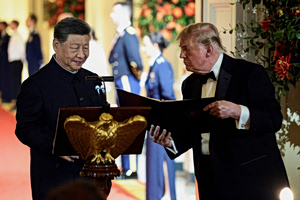
 HONG KONG—China’s leader Xi Jinping, during his summit on Thursday with President Trump in Washington, revealed the impending arrival of Chinese exports that even a trade warrior might not complain about: a pair of giant pandas.
Xi said the bears would soon arrive at the Atlanta zoo, in the latest revival of “panda diplomacy,” a hallmark of U.S.-China ties since President Richard M. Nixon began the normalization of relations in the 1970s.
Giant pandas, however, don’t carry the weight they once did.
Half a century ago, the bears introduced to the U.S. a warm, cuddly image of a China that had been seen to embody stark authoritarianism.
Today, Americans know much more about China, while Beijing’s technological advances, economic weight and expanding military power are seen by many as growing threats.
“In the shadow of the Cold War, all the panda diplomacy stuff presented a friendly, totally fuzzy face of China that helped to dispel some of the China threat,” said Chong Ja Ian, an associate professor of political science at the National University of Singapore. “The U.S.-China relationship today is far more complicated, and so the public performance effect of the pandas may not be as great. There is reason for cooperation, but there is a lot more serious competition.”
Pandas have long been a staple of China’s diplomacy . A Tang dynasty empress is believed to have sent two to Japan in the seventh century.
Nixon’s wife, Pat, saw them pictured on a package of cigarettes in Beijing during her husband’s historic visit in 1972. “Aren’t they cute?” she told Chinese Premier Zhou Enlai.
“I’ll give you some,” he replied. A pair, Hsing-Hsing and Ling-Ling, arrived later that year at the National Zoo. The U.S. reciprocated with two musk oxen, Milton and Matilda.
In the 1980s, China began to lend pandas to foreign zoos, charging fees as high as $1 million a year that it promised for panda conservation. In 2016 the species was classified as “vulnerable” and no longer “endangered” after a 2014 survey found an estimated 1,864 in the wild, a 17% increase over the previous decade.
Improvements in breeding techniques also led to an increase in zoo populations. The numbers of pandas in U.S. zoos climbed through the mid-2010s. Under China’s arrangements with foreign zoos, offspring are considered to be China’s and eventually returned to China.
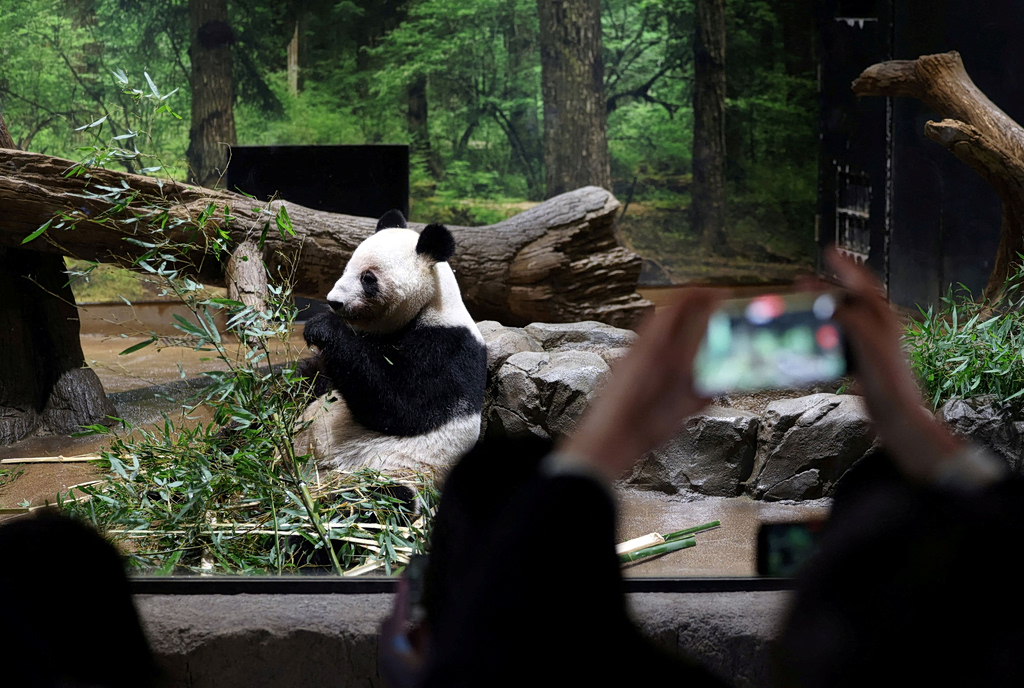
In 2023 the death of an aging panda at the Memphis Zoo and the poor appearance of another set off social media complaints in China. Zoo officials said the animals were treated well and Chinese experts found only evidence of common ailments.
That year, while at a regional summit in San Francisco, Xi raised the prospect of sending more pandas to the U.S. It was a particularly difficult period, as ties were damaged by factors including the Covid-19 pandemic and trade disputes, and some bears had been taken back by China .
“I was told that many American people, especially children, were really reluctant to say goodbye to the pandas, and went to the zoo to see them off,” Xi said.
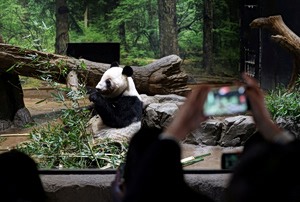
Following that announcement, new pairs of pandas were sent to the San Diego Zoo and the National Zoo.
This week Xi, in announcing the impending arrival of the pair in Atlanta, said the panda was “an envoy of friendship between the Chinese and Americans.”
Zoo Atlanta said in April that it had reached a deal with the China Wildlife Conservation Association and expected to soon host two new pandas.
The zoo previously hosted a pair, Lun Lun and Yang Yang, who had seven offspring. That pair and their two youngest cubs returned in 2024 to the Chengdu Research Base of Giant Panda Breeding, where their five older offspring also live.
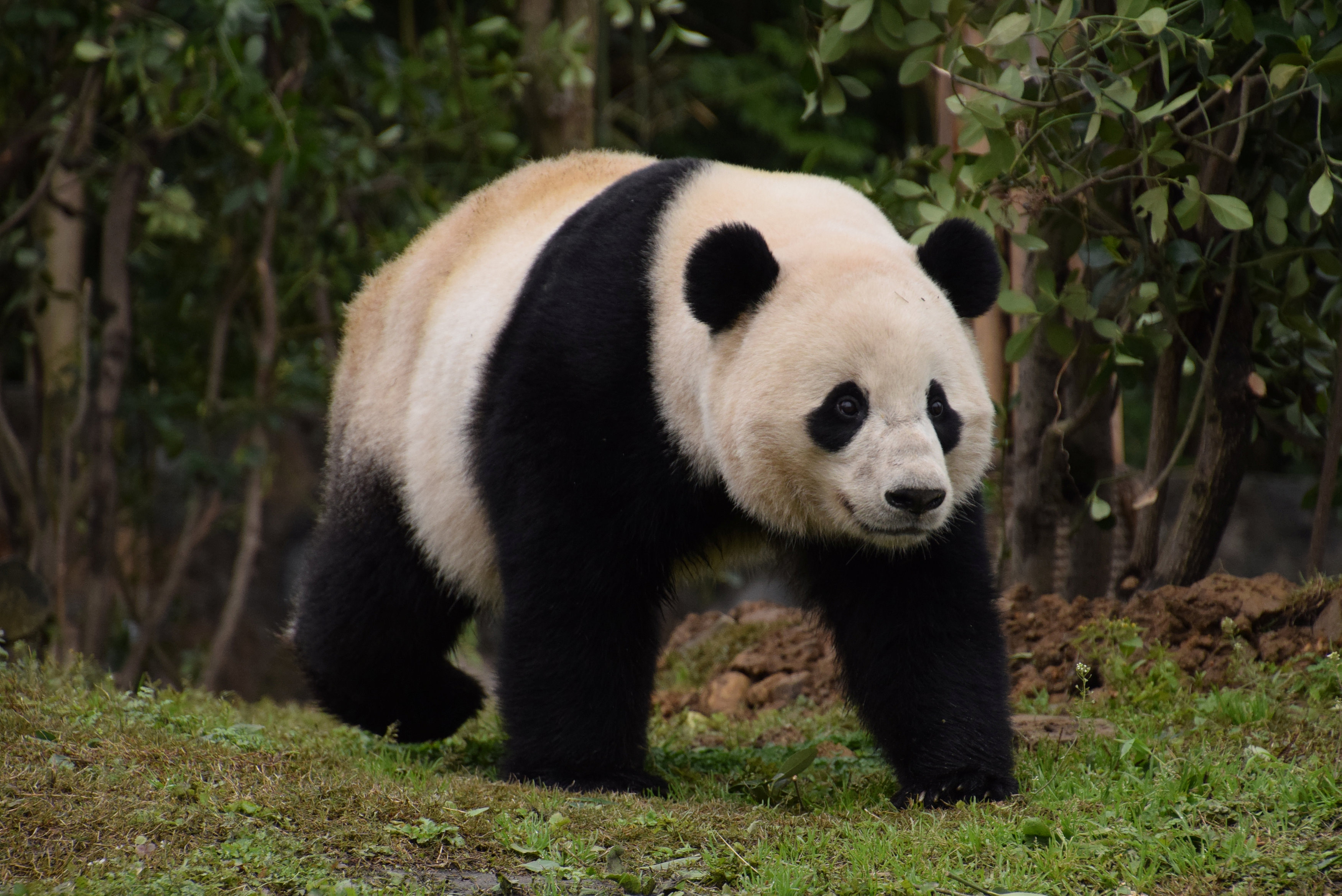
The zoo said the impending arrivals were born at Chengdu and are named Ping Ping and Fu Shuang.
Write to Austin Ramzy at austin.ramzy@wsj.com