 Μake us preferred on Google
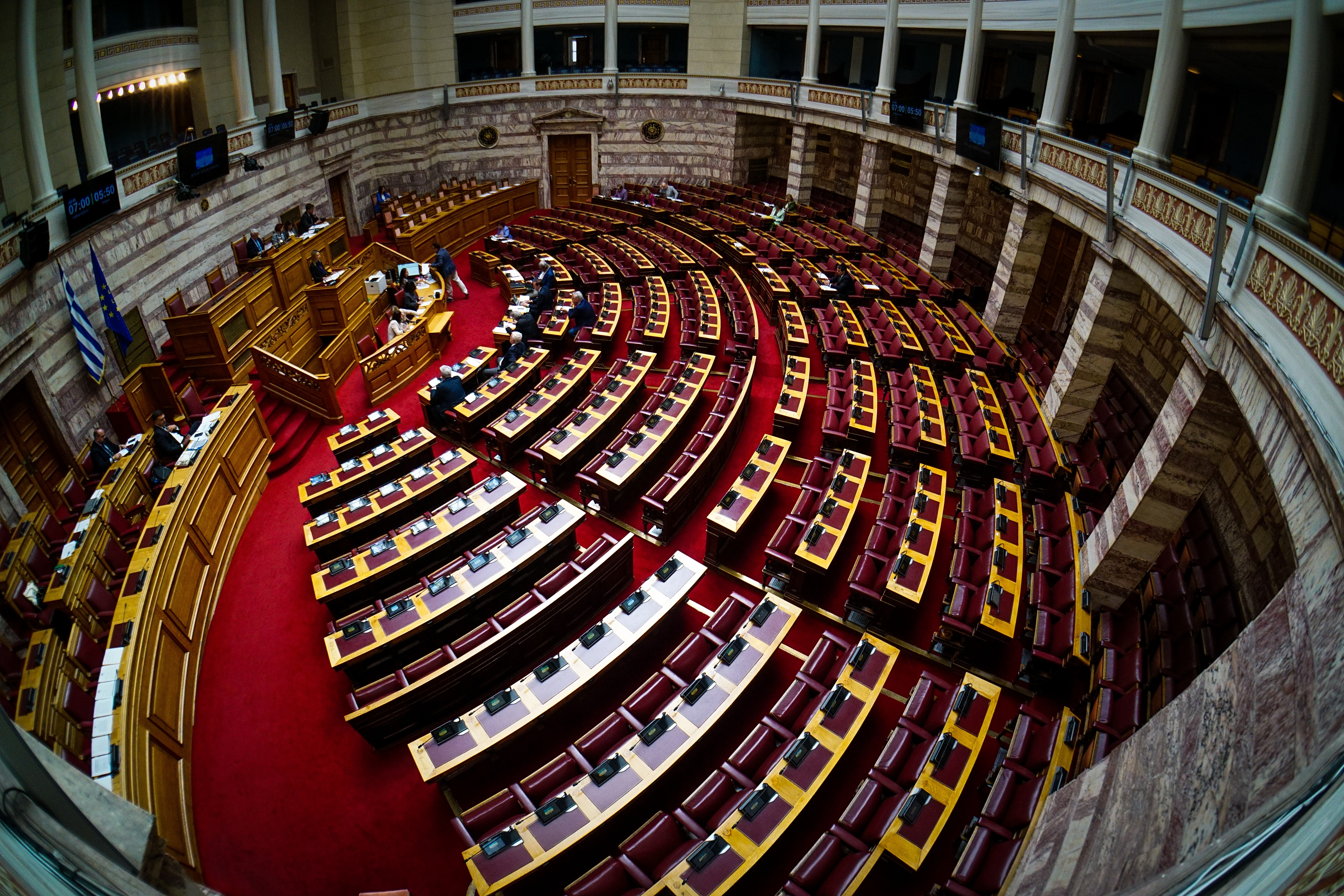
A total of 294 lawmakers took part in the vote, which was conducted under a parliamentary procedure allowing the opposition to establish up to two investigative committees per parliamentary term, provided each proposal receives the support of at least 120 MPs.
The 29-member committee will be formed after parliamentary groups submit the names of their representatives. Its proceedings are expected to last three months from the date set for its formal commencement.
The vote followed an approximately eight-hour plenary session marked by exchanges between parties over responsibility for the handling of private debt, the protection of primary residences during the bailout years and the framework governing nonperforming loans, including the role of successive governments.
The committee’s mandate will cover state decisions, the institutional and supervisory framework, loan securitizations and the management of nonperforming loans, as well as state guarantees provided under the Hercules asset-protection scheme and their implications for the state, borrowers and the economy, according to the proposal approved by Parliament.
The inquiry is expected to examine the evolution of the framework governing private debt and nonperforming loans over successive administrations, including the period of the SYRIZA-Independent Greeks (ANEL) coalition government from 2015 to 2019 and subsequent governments.
The debate also focused on the “Hercules” scheme, through which banks transferred portfolios of nonperforming loans to special-purpose vehicles via securitizations, backed by state guarantees on senior tranches. The scheme was designed to help banks reduce their exposure to bad loans, while the guarantees have become part of the broader debate over the risks borne by the state and the handling of debt by funds and loan servicers.
SYRIZA head: ‘Who benefits, who pays, who oversees?’
SYRIZA parliamentary group leader Rena Douro framed the proposed inquiry around the question of “who benefits, who pays and who oversees,” arguing that its scope should extend across all governments.
“We are clear. We exclude no government. We are not asking for selective investigation,” she said.
Referring to the Hercules scheme, Douro questioned whether the transfer of loans away from bank balance sheets had also relieved borrowers of their debt burdens.
Dep. Minister: Inquiry is ‘institutionally unnecessary’
In his concluding remarks, Deputy Justice Minister Ioannis Bougas said the issue required a responsible approach grounded in economic realism rather than political polarization, communications tactics or simplistic solutions.
“We are not afraid of any scrutiny whatsoever. We are declaring ‘present’ because we believe that an investigative committee at the present juncture and with this specific mandate is institutionally unnecessary, potentially economically harmful and ultimately socially ineffective,” Bougas said.