 Μake us preferred on Google
SHENZHEN, China—Eric Pan arrived in Shenzhen in 2008 for what was supposed to be a short trip. After visiting Huaqiangbei, the city’s mazelike electronics market, he decided to stay put.
Working out of a small apartment and sleeping in his warehouse, the former Intel engineer founded a startup to help companies build prototypes and manufacture everything from artificial-intelligence sensors to robots. Eighteen years later, his company employs more than 500 people and partners with factories across the city.
Pan, 43, describes the southern megacity as a sort of Hollywood of hardware and new technologies. “You can make movies everywhere, but Hollywood is Hollywood,” said Pan, who is from southwestern China and whose firm is called Seeed Studio. “Shenzhen is the pride of tech innovation in China.”
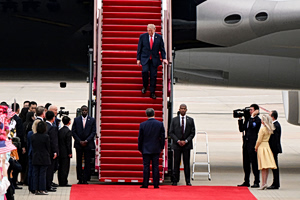
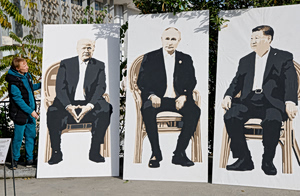
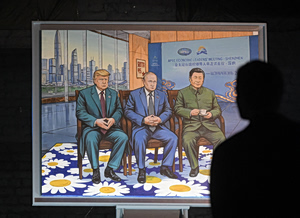
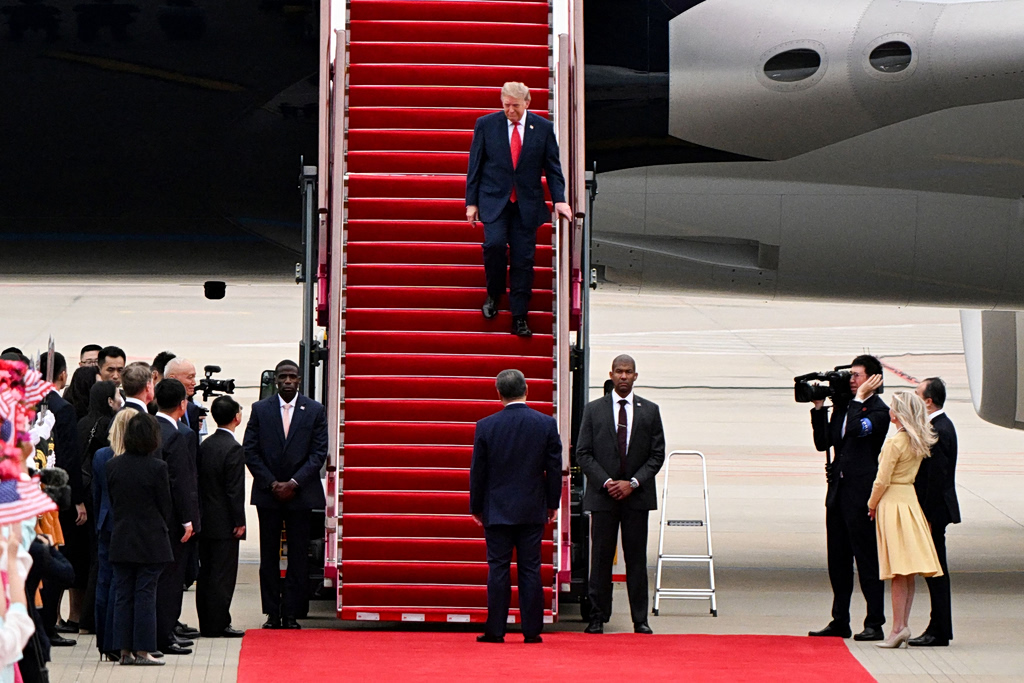
This week, Shenzhen is hosting the Asia-Pacific Economic Cooperation meetings, including a trilateral meeting between Chinese leader Xi Jinping, President Trump and Russian President Vladimir Putin.
Trump was greeted at the airport Wednesday by Xi ahead of meetings with Mexican President Claudia Sheinbaum and Canadian Prime Minister Mark Carney. As the president headed to a banquet, he shook hands with Putin.
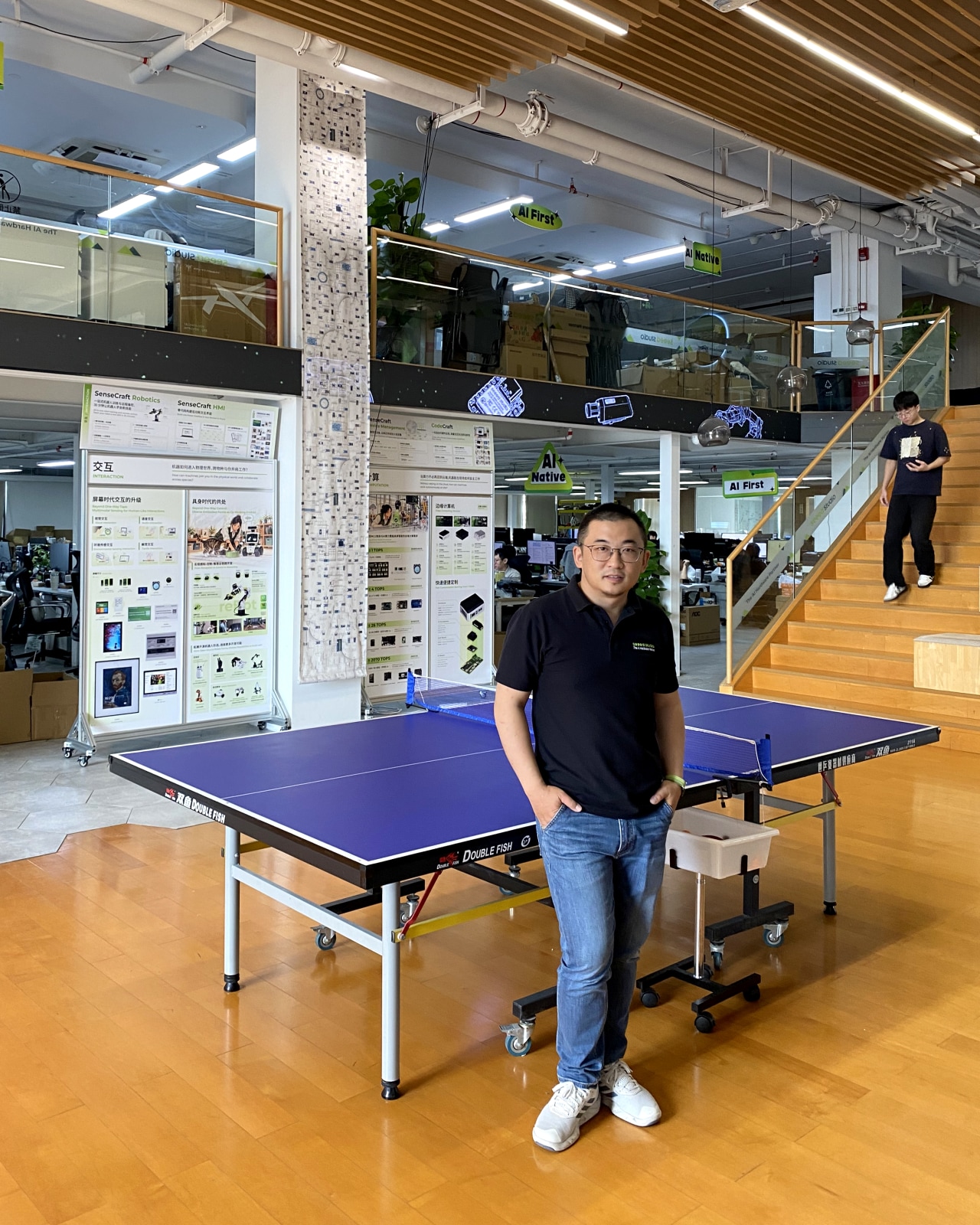
Eric Pan at the Seeed Studio’s office in Shenzhen. Katrina Northrop/WSJ
In picking a city that is often likened to Silicon Valley, Xi is telegraphing China’s manufacturing strength as well as its determination to best the U.S. in everything from AI to drones. Shenzhen boasts more billionaires than any other global city except New York, according to the Hurun Rich List.
“It’s very symbolic,” said Taylor Ogan, founder of Shenzhen-based hedge fund Snow Bull Capital. “China is going to show the world a China that is leading in most technological aspects.”
Having boomed as a manufacturing hub after China opened its economy to the world, Shenzhen is now home to roaming robotaxis and food-delivery drones. Chinese tech giants such as Huawei Technologies and BYD are based here. Alongside corporate giants, entrepreneurs tinker with prototypes: Pan, for instance, steered a pair of quacking robotic ducks on his desk one recent morning.
Beijing is grappling with real economic challenges , including a protracted property crisis and sluggish consumer spending. But Shenzhen—where companies churn out cutting-edge products for global markets—exemplifies the successful side of China’s split-screen economy .
In the first three quarters of this year, Shenzhen’s exports surged by nearly a fifth compared with 2025, while the city’s overall economy grew 6% year-over-year—outpacing national growth as well as that of other major cities like Beijing and Shanghai. Last year, output of industrial robots, civilian drones and 3-D printing equipment all ballooned by more than 40%, according to official statistics.
It is a remarkable rise for a city that just over four decades ago was a fishing village in nearby Hong Kong’s shadow.
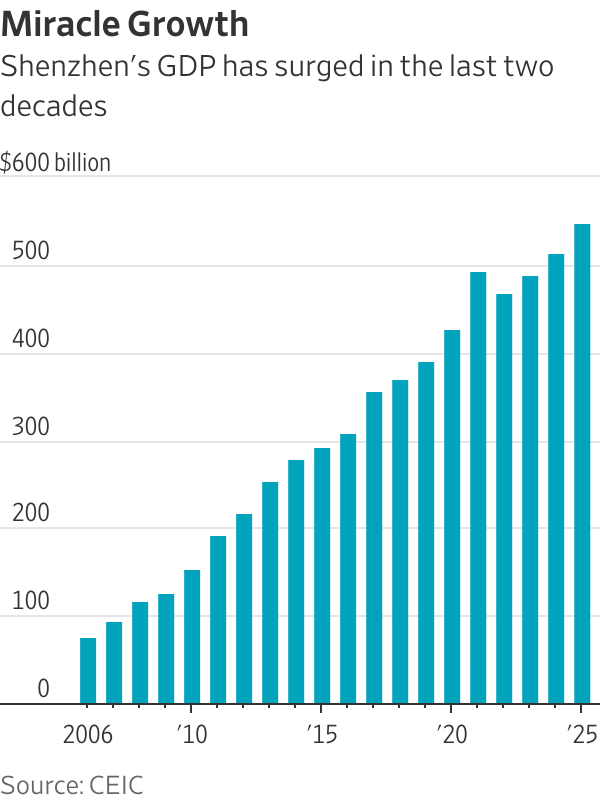
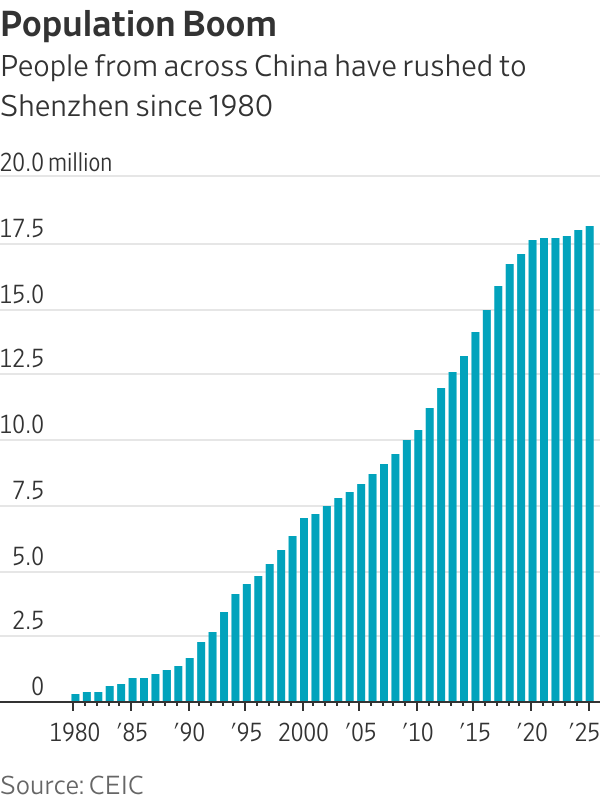
In 1980, former Chinese leader Deng Xiaoping established Shenzhen as a “special economic zone” and opened it to foreign investment. The city transformed into a showcase for market-oriented reforms, kick-starting a period of breakneck growth. The population swelled from under half a million in 1980 to more than 18 million people last year. Factories sprang up, and global companies like Apple eventually rushed to manufacture products like the iPhone in the southern metropolis.
John Wang, a Shaanxi native, has had a front-row seat to this transformation. After moving to Shenzhen in 2002 and working in banking, Wang launched his own investment firm focused on high-tech companies. The area where his office sits today was barely developed when he first arrived.
“If I hadn’t come to Shenzhen, maybe I wouldn’t have started my own company,” said Wang.
His family often discusses the latest developments in drones and AI at the dinner table. “We have a saying about Shenzhen: Everyone comes here to make money.”
Xi increasingly sees tech companies in Shenzhen as critical to the country’s self-reliant future —and few firms are more important to Beijing than Huawei. Blacklisted by Washington over national-security concerns, Huawei has risen to become a telecommunications giant and a crucial part of Beijing’s drive to reduce reliance on American technology. The company announced in September it would release two new AI chips next year as part of its goal to “become Nvidia.”
Founded in 1987 in Shenzhen, Huawei is based out of a sprawling, leafy campus here. Company vans shuttle the 25,000 employees around the campus, while vast showrooms introduce tech applications across mining, healthcare and energy. Excited customers mill around a flagship store selling foldable phones and luxury cars equipped with Huawei software.
Huawei isn’t the only Shenzhen company caught in the geopolitical crossfire. DJI Technology, a drone juggernaut based out of two interlocking towers dubbed “Sky City,” faces U.S. government restrictions. Meanwhile, many local exporters have been hit by Washington’s tariffs, and surging exports from Shenzhen’s BYD and other Chinese carmakers have raised international alarm.
Yet even as they face trade frictions abroad, many companies are turning the streets and skies of Shenzhen into testbeds for new technologies. Signs for APEC are plastered across the city this week, encouraging visitors to “witness the wonders.”
Pony AI, a Guangzhou-based firm, rolled out commercial driverless taxis in Shenzhen starting last year. Each vehicle in Shenzhen averages 23 rides a day, though the service has been temporarily suspended for APEC. The firm chose the tech hub as one of its first robotaxi markets because residents and local officials are quick to embrace futuristic technologies, said Dai Dunfeng, Pony’s head of public affairs.
We want robotaxis, Dai said, “to become a part of people’s everyday lives.”