
 Μake us preferred on Google
 For almost six years, Argentines have demanded the truth about the mysterious death of their tragic national hero, Diego Maradona, among the greatest soccer players the world has ever seen.
Now, prosecutors say they have an answer and are putting their evidence to the test this week in a trial accusing Maradona’s medical team of “simple homicide with eventual intent,” meaning that their actions contributed to his death. Seven defendants, including Maradona’s doctor and nurses and a psychiatrist, face as many as 25 years in prison.
Prosecutors alleged that Maradona’s medical team ignored significant warning signs as his health deteriorated in late 2020. They have described the house where he was recovering from brain surgery as a “theater of horrors.”
“They abandoned Diego Armando Maradona to his fate, condemned to death,” prosecutor Patricio Ferrari said in his opening remarks on Tuesday.
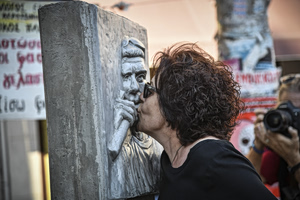
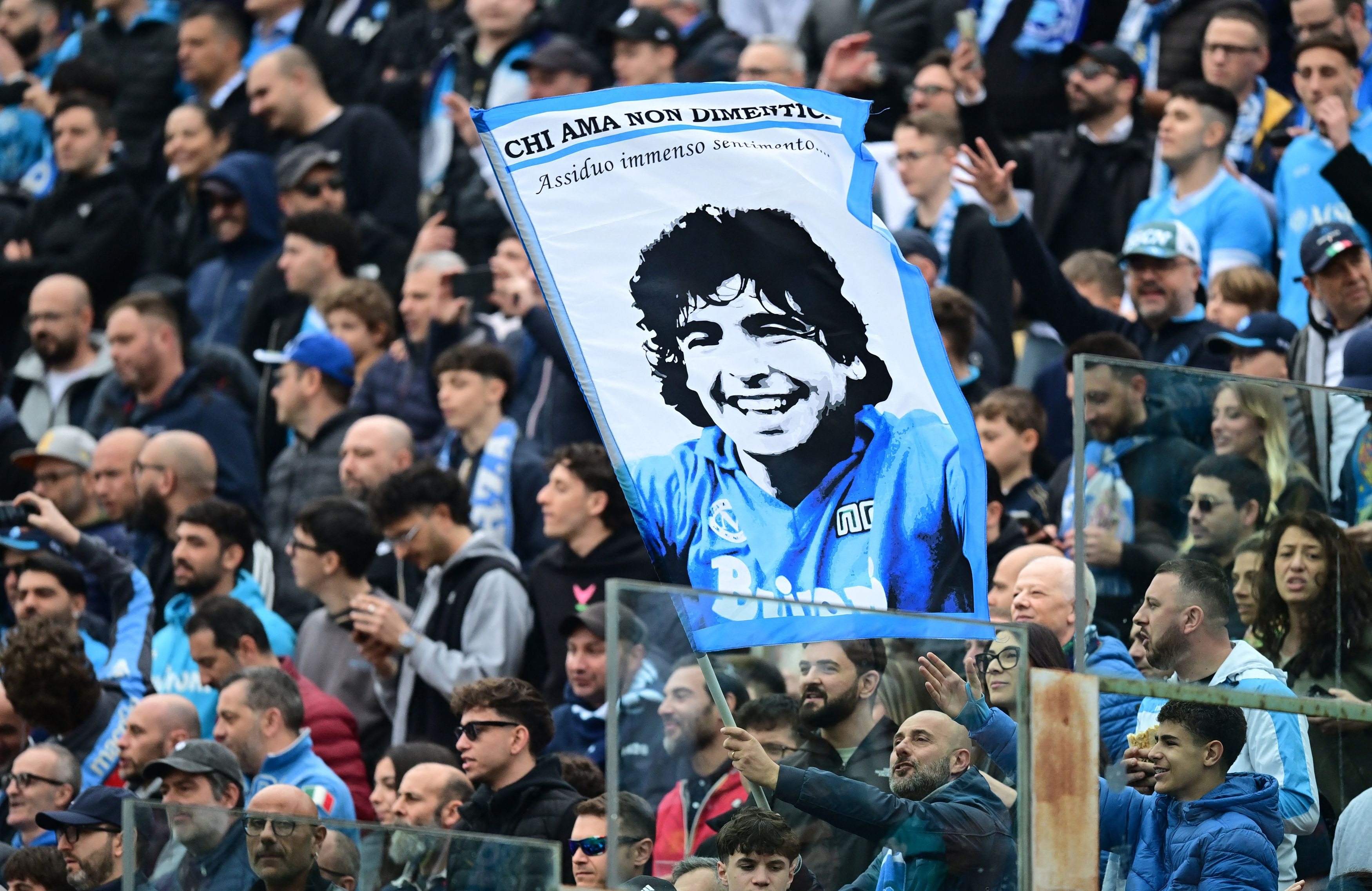
The case has gripped Argentina, with some of his fans holding up signs outside of the Buenos Aires court demanding “Justice for God,” a reference to Maradona’s status as a demigod . Newspapers and television programs published every salacious detail, including texts and voice messages from the defendants that prosecutors seized after raiding their homes just days after Maradona’s death.
Before his Nov. 25, 2020, death by a heart attack, Maradona’s belly had swollen like a beach ball, and his heart was covered in fat and blood clots. In his final hours, he was likely in agony, said a medical board convened by prosecutors.
The board’s report found numerous problems with Maradona’s home care, from the location of his room, which lacked easy access to a bathroom, to overly salty meals. The board said there was no defibrillator or oxygen tank in case of an emergency. It added that Maradona’s health team too easily gave in to his demands, resulting in nurses failing to regularly check up on him.
The defendants deny wrongdoing. They say they did their best to help a difficult patient who often resisted treatment and refused to see them. His body was in tatters after decades of heavy drug use and drinking.
“There was no medical negligence,” Leopoldo Luque , Maradona’s personal doctor and the most prominent defendant, told journalists shortly after the striker’s death. “A heart attack in a patient with his characteristics, it’s the most common thing in the world for a patient to die like that.”
Luque’s lawyers say he is a scapegoat who wasn’t responsible for Maradona’s treatment during the home care. Last year, a first trial was shelved after a judge allowed filmmakers to shoot video inside the court, which is prohibited.
“They want to shift responsibility here and make someone responsible for the death of an idol,” Roberto Rallin , an attorney for Luque, said in an interview before the trial began.
On the field, Maradona dazzled fans as he dribbled around defenders like no else could. The 5-foot-5 striker led Argentina to win the 1986 World Cup, scoring two of the most memorable goals in the tournament’s history against England.
But Argentina’s golden boy also had a life full of scandals. He had links to the Camorra crime syndicate and befriended leftist Latin American dictators. He was briefly jailed for drug possession and expelled from the 1994 World Cup. During a 2000 vacation in Uruguay, Maradona suffered a near-fatal heart failure because of a cocaine overdose. Seven years later, he was treated for alcohol abuse.
His fragile health took a turn for the worse in March 2020 as the Covid-19 pandemic erupted. During one of the world’s longest lockdowns, Maradona had little social interaction.
Stuck at home, Maradona drank heavily and took sleeping pills, sometimes 10 a night, according to the “Last Days of Maradona,” a podcast that reviewed thousands of voice and text messages from Maradona’s medical team and other associates that were seized by prosecutors.
“The combination of pills and alcohol can kill him,” Luque warned in a message published by the podcast. “No alcohol, no alcohol,” the doctor added in the voice message to Maradona’s nephew, who was living with him at the time.
Maradona was prescribed medication for depression. But his health continued to worsen. His hands trembled. He often lamented how much he missed his late mother, who died in 2011.
After months in lockdown, Argentines got a glimpse of how far their hero had fallen on Oct. 30, 2020, during a nationally televised celebration of Maradona’s 60th birthday. At the stadium of the Argentina soccer team he coached, Maradona was greeted with fireworks, cake and a banner wishing him a happy birthday.
Wearing a face mask, Maradona struggled to walk onto the field on his own. Some commentators noted that he looked pale. Others said he had lost a lot of weight.
It was the last time Maradona would step onto a soccer field. Within days, he was admitted to a hospital for medical tests.
At the Olivos Clinic in Buenos Aires, doctors detected a blood clot on his brain, which was removed during an emergency operation. The next day, Maradona woke up and tore off the wires monitoring his vitals, demanding to go home.
Maradona left the hospital about a week later. He moved into a rented home in a quiet neighborhood on the outskirts of Buenos Aires where he was supposed to receive round-the-clock home care.
He soon took a turn for the worse. He threw a nurse out of the house, locked himself in his room and said he didn’t want to see anyone.
Nicolas Taffarel , Maradona’s massage therapist, was alarmed during visits when he noticed a lot of swelling, including in his eyes.
“Everything’s super bloated,” he said in a Nov. 17 text to Luque disclosed by prosecutors.
“Man, don’t worry about that,” responded Luque.
A couple of days later, Taffarel wrote that Maradona rarely ate. He had shakes in his arm. He laughed at jokes that no one else understood. “I’ve never seen him like this,” Taffarel wrote in a Nov. 19 text.
“He’s going to come out of this better than before,” Luque responded.
Six days later, Maradona was dead.
Write to Ryan Dubé at ryan.dube@wsj.com