
The Los Angeles wildfires of nearly a year ago took an unexpectedly heavy toll on residents’ health, a new study found.
An unusually large number of people suffered from heart attacks, lung conditions and a perplexing rise in unexplained illnesses, according to an analysis by researchers of emergency-department data at Cedars-Sinai, the largest hospital in Los Angeles County.
Their findings offer clues into the potential cost to human health of massive wildfires that spread quickly from wild lands into urban areas, said Dr. Susan Cheng , vice chair for research affairs at Cedars-Sinai’s Smidt Heart Institute and senior author of the study.
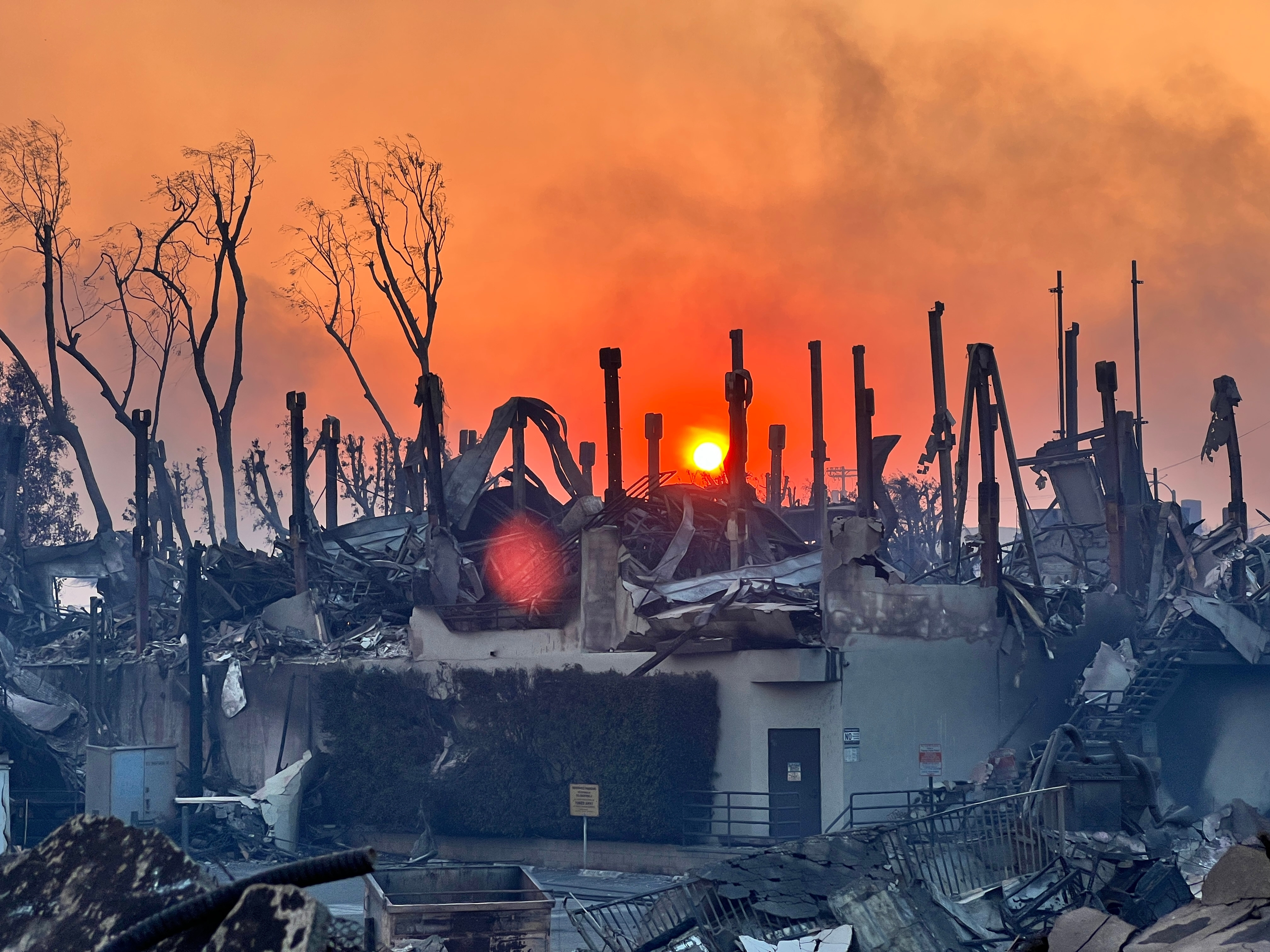
Such wildfires are increasing in frequency and scope, and release heavy metals and other toxins into the air as they engulf homes and cars.
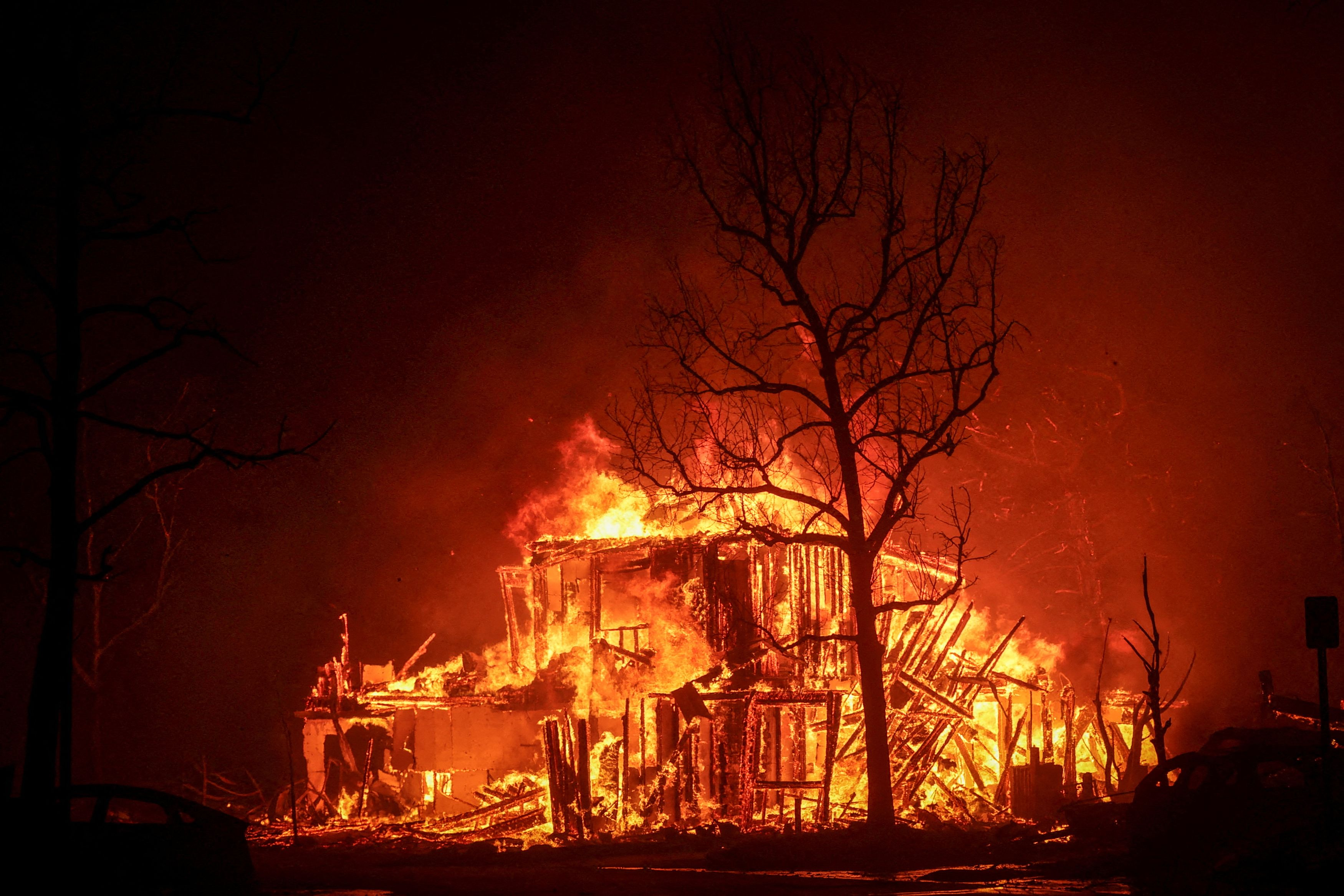
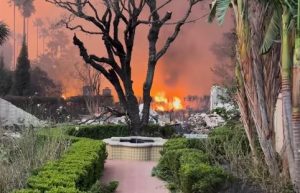
Flames engulf a structure as the Eaton Fire burns in Pasadena, California, U.S. January 8, 2025. REUTERS/Mario Anzuoni TPX IMAGES OF THE DAY SEARCH “2025 STORIES BEST” FOR THIS STORY. SEARCH “REUTERS YEAR-END” FOR ALL 202X YEAR END GALLERIES.
“You have a much greater magnitude and a much greater complexity of toxins being produced by the disaster affecting a very large, large population of people,” she said.
For the study, researchers examined data from visits to the emergency department at Cedars-Sinai from Jan. 7, when the massive Palisades Fire erupted, through April 7, comparing them with visits in the same period over the previous seven years. They focused on visits by residents of neighborhoods either directly affected by or adjacent to the wildfires.
The research was published Wednesday in the Journal of the American College of Cardiology.
Emergency-department visits by residents of fire-affected and adjacent areas more than doubled to 398 for mysterious symptoms such as chest pain, abdominal pain and dizziness that doctors couldn’t always link to a diagnosis like a heart attack or dehydration.
Lab tests showed abnormalities in the patients’ blood, like electrolyte disorders or subtle changes in markers of kidney or liver function, Cheng said, though the proportion of such visits overall was small.
Those results suggest a biochemical and metabolic stress on the body, she said, such as levels of proteins, electrolytes or minerals that were either too high or low.
Visits to the emergency department rose 46% for heart attacks and 24% for pneumonia and other pulmonary illnesses compared with earlier years, the researchers reported.
Those levels were comparable to or surpassed those seen during the worst years of the Covid-19 pandemic, Cheng said. Fine particles released by wildfires can injure the heart and lungs, studies have shown.
Increases in lung illnesses and heart attacks have been identified before from wildfire exposure, but the unexplained illness is a unique finding, said Dr. Mary Johnson , principal research scientist in the department of environmental health at the Harvard T.H. Chan School of Public Health, who wasn’t involved in the research.
“What it tells me is that we’ve probably been missing a lot of illness that has not appropriately been attributed to smoke exposure,” she said. “The type of fire where you’re combusting all types of man-made materials—we’re just beginning to understand how those components affect our health,” she said.
The research is part of a 10-year collaboration among several universities to track the health impacts of the event.
“There are people who are still coming to our clinics, and they’re telling us, ‘I still don’t feel quite right,’” Cheng said.
Write to Betsy McKay at betsy.mckay@wsj.com