 Μake us preferred on Google
 Israel and Iran exchanged volleys of fire that extended into Monday morning, in a tumultuous resumption of violence that tested President Trump’s fragile Middle East ceasefire.
The attacks and counterattacks marked the first time Iran and Israel have targeted each other since a ceasefire brokered by the U.S. went into force in early April. They began with an Israeli strike on Beirut amid renewed fighting with the Iran-backed Lebanese militia Hezbollah and threatened to escalate a conflict that has been largely contained since then, despite a series of lower-intensity skirmishes.
Iran fired multiple missiles in several waves of attacks. Israel then followed through on a promise to counterattack, despite warnings to hold off from Trump , who said a deal to end the war was near with Tehran. Israeli Prime Minister Benjamin Netanyahu was under pressure from his political allies and the opposition to respond to the Iranian missile barrage.
Israel said its air force struck military targets in central and western Iran in response, including air-defense systems and weapons, an Israeli official said. Other targets included Iranian missile launch sites and non-energy infrastructure, Yechiel Leiter, Israel’s ambassador to the U.S., said on social media.
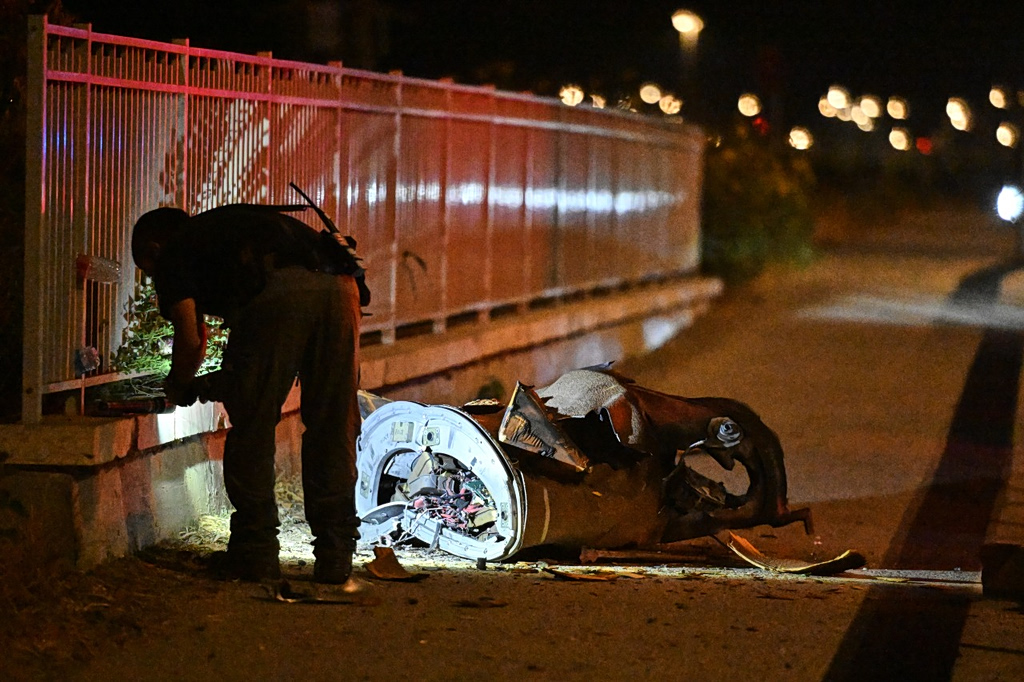
Israeli security forces examine part of an intercepted Iranian missile in northern Israel. Rami Shlush/
Iran had warned it would respond with greater force against Israel and its allies if Israel retaliated.
Monday morning local time, Israel sounded alarms of multiple new waves of missiles launched from Iran and said it had intercepted a ballistic missile launched from Yemen, likely by the Houthis, the Iran-backed U.S.-designated terrorist group that runs much of that country.
Iran’s Islamic Revolutionary Guard Corps said it attacked airbases in southern Israel.
Mike Huckabee , the U.S. ambassador to Israel, said on social media that explosions could be heard overhead as Israel worked to intercept the attack.
No major injuries were reported in the attacks from Yemen or Iran.
“The Iranian regime made a serious mistake,” an Israeli military spokesperson said, adding that Israel would continue its operations against Hezbollah in Lebanon.
Before Israel struck back, Trump was trying to de-escalate the situation, telling reporters at Fox News and Axios that he was pressing Iran and Netanyahu to stand down.
Fox News said Trump told its chief foreign correspondent Trey Yingst in an interview, “What I would suggest to Iran: You’ve shot your missiles, that’s enough. Get back to the table and make a deal.”
Later, he told the Financial Times that he would dictate the terms of the war to Netanyahu. “I call all the shots,” Trump said, according to the British news organization. “He doesn’t call the shots.”
The U.S. Central Command, which oversees American forces in the Middle East, earlier posted a video featuring U.S. jet fighters with the message: “U.S. forces across the Middle East remain vigilant and ready.”
The Iranian attack came after Tehran threatened to strike Israel and American bases in the Middle East in response to the attack on the Lebanese capital, the first time Israel had targeted Beirut since a ceasefire on that front was announced by the U.S. last week. Israel had agreed not to hit Beirut as long as Hezbollah didn’t attack Israel proper, and agreed with Lebanon on a broader truce as long as the militant group stops fighting.
After the attack on Israel began, Iran’s state broadcaster quoted the Iranian military as saying that Israel must stop its attacks on southern Lebanon and the suburbs of Beirut.
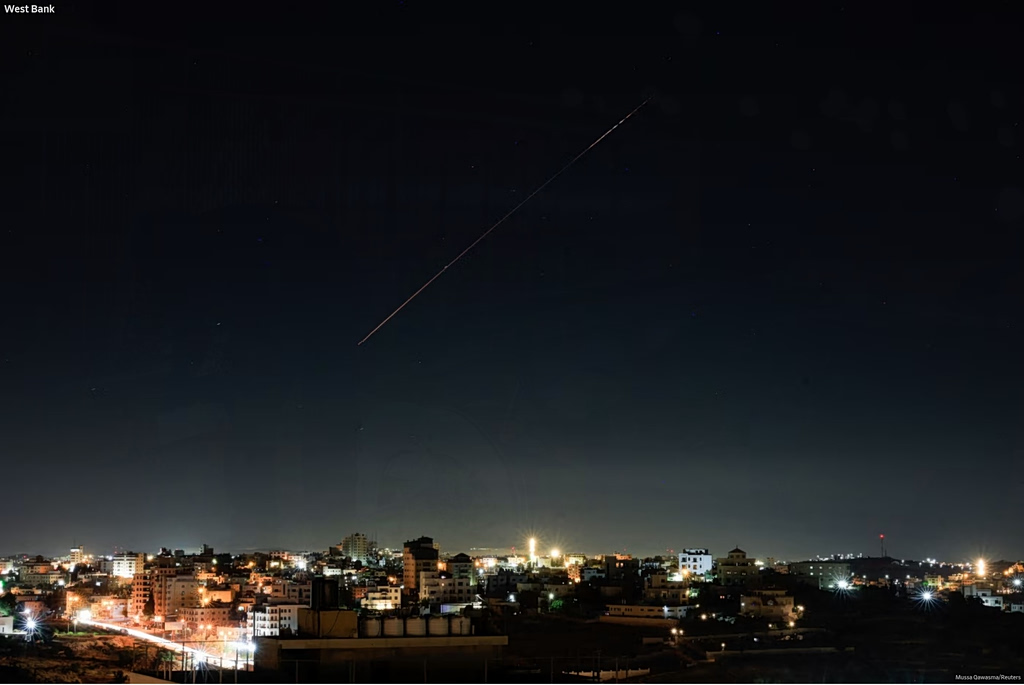
A streak of light illuminates the sky during an attack by Iran on Israel as seen from Ashkelon, Israel, on Sunday. Amir Cohen/
“If it expands its attacks on that region or responds to Iran’s actions, it will begin with devastating strikes against the regime and its supporters,” Iran’s armed forces said, according to Iran state media.
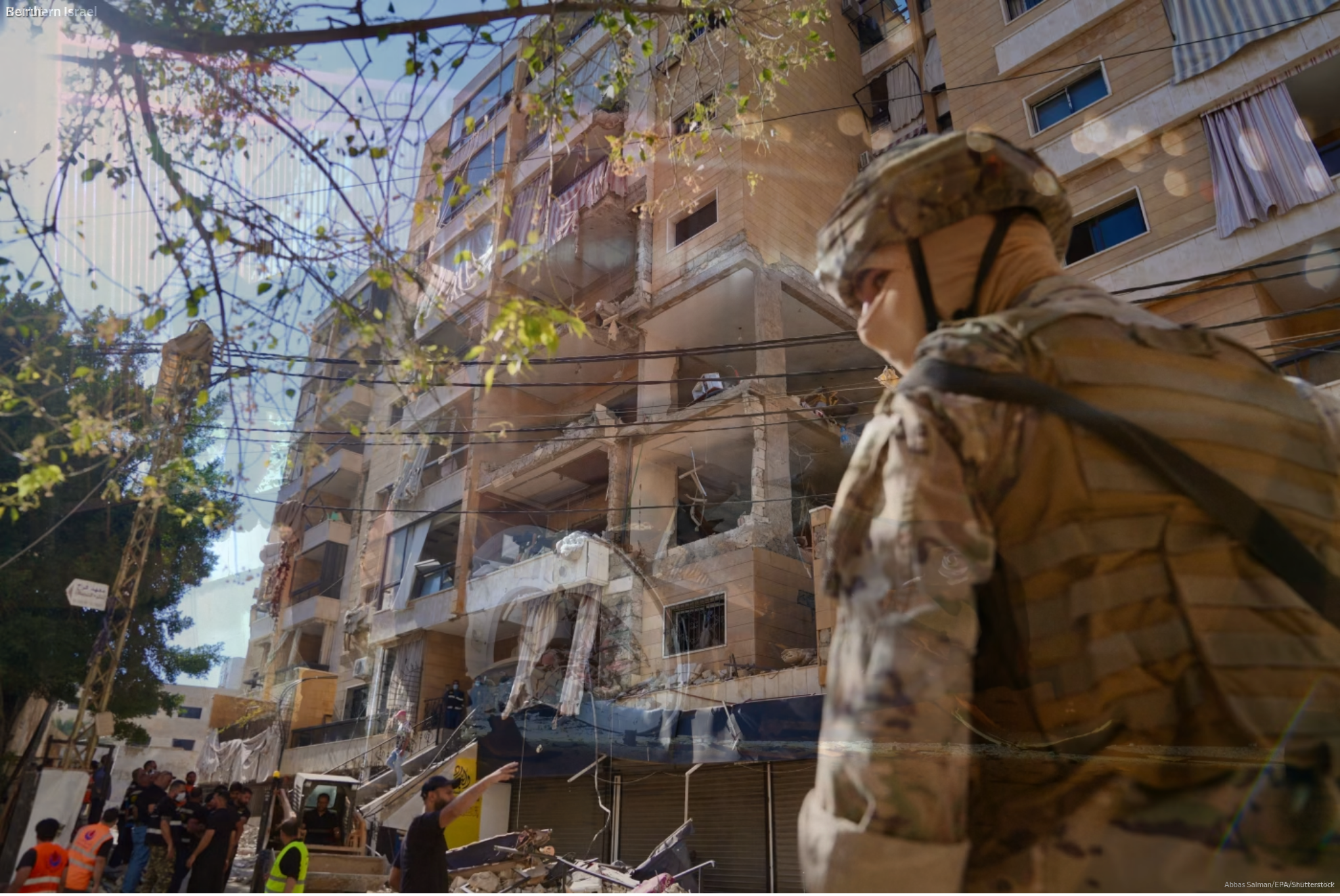
Netanyahu ordered the strike on what he said was a Hezbollah headquarters in the southern suburbs of Beirut, a stronghold of the militant group. Earlier, Israel’s military said Hezbollah had fired rockets into northern Israel, which it intercepted.
Tehran has sought a halt to Israeli operations inside Lebanon as part of their peace negotiations with Washington. On Sunday, Iran’s top negotiator, Mohammad-Bagher Ghalibaf , said the U.S. blockade of Iranian shipping and what he described as the American green light for the Israeli strike in Lebanon “turn American and regime bases and assets in the region into legitimate targets.”
The Israeli prime minister’s office didn’t respond to requests for comment on whether Israel’s latest strike on Beirut had Washington’s approval.
In the interview on Fox News on Sunday, Trump said that the latest Israeli strikes on Hezbollah targets in Lebanon weren’t coordinated with the U.S. But for weeks U.S. officials have said Washington supports Israel defending itself against attacks from the Iranian proxy.
Trump told NBC’s “Meet the Press” that he supports “surgical” strikes against Hezbollah after telling Netanyahu last week that he wouldn’t accept a large-scale Israeli assault on Beirut.
The U.S. has stationed warplanes in Israel, at an Israeli base in the Negev and at the airport in Tel Aviv. But there are no indications they have been targeted or caught up in the attacks.
Israel said last week that the ceasefire agreement with Lebanon included an American understanding that it could strike Beirut if Hezbollah attacked Israel.
Following the Iranian attack against it late Sunday, Israel announced the suspension of schools across the country, a sign that it was anticipating hostilities could continue. The Israel Airports Authority, however, said activity at the country’s main international airport continued as usual.
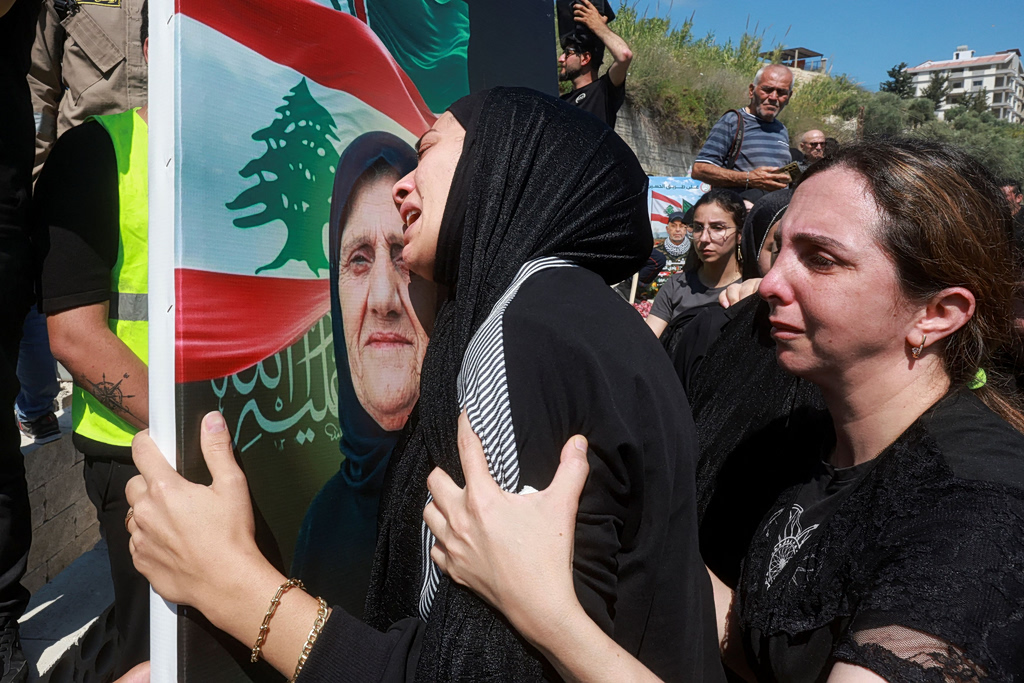
Mourners attend the funeral of four people, including a woman and a paramedic, who were killed in an Israeli strike on Friday in Zebdine, in Haret Saida, Lebanon June 7, 2026. REUTERS/Aziz Taher
Israel’s military said its airstrikes in Beirut hit a command center where the group was operating and which had been used to plan strikes against Israel. Lebanon’s health ministry said the strike killed two people and injured 20 more, including four women and four children.
Last week, Trump held a tense call with Netanyahu and demanded that Israel halt strikes in Beirut, amid pressure from Tehran to end Israeli operations against Hezbollah, an Iranian ally. Netanyahu agreed but said any more direct attacks on Israeli territory by Hezbollah would be met with attacks on Beirut.
Afterward, the State Department said the Israeli and Lebanese governments had agreed to a ceasefire as long as Hezbollah stopped attacks and pulled out of an area near the border with Israel. The deal called for Lebanon’s army to take control of small parts of the area in a pilot project for taking it over.
Hezbollah and Iran swiftly rejected the deal, saying they would accept no truce until Israel had fully left Lebanon. Israel and Hezbollah have since continued to exchange fire.
The Iranian attack and airstrikes in Beirut followed another exchange of fire over the weekend between U.S. and Iranian forces, the latest in a series of skirmishes over Iran’s blockage of the Strait of Hormuz.
The U.S. military said Saturday that it shot down four Iranian attack drones that had been launched toward the strategic waterway.
The military said it also struck what it called surveillance and radar sites along Iran’s coast to diminish Tehran’s ability to launch further attacks.
The Revolutionary Guard, which is responsible for defending the regime and is enforcing the chokehold on the Strait of Hormuz, said the confrontation began when it opened fire to stop four oil tankers from transiting the waterway without its permission.
On Saturday, Israel struck a vehicle of Lebanon’s regular military in southern Lebanon, killing two officers and a soldier.
Israel’s military acknowledged the strike and said the vehicle had been traveling through an evacuated active combat zone. The incident is being investigated, the Israeli military added.
Israel and the Lebanese Armed Forces, despite a long history of conflict, are quiet partners in trying to disarm Hezbollah.
Write to Dov Lieber at dov.lieber@wsj.com and Anat Peled at anat.peled@wsj.com