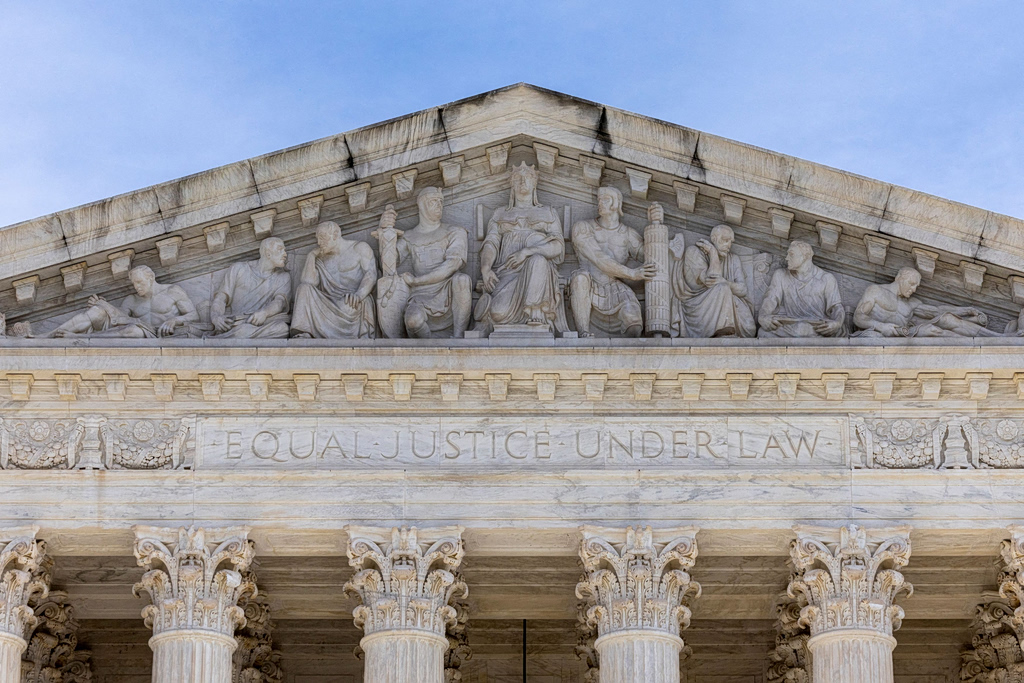
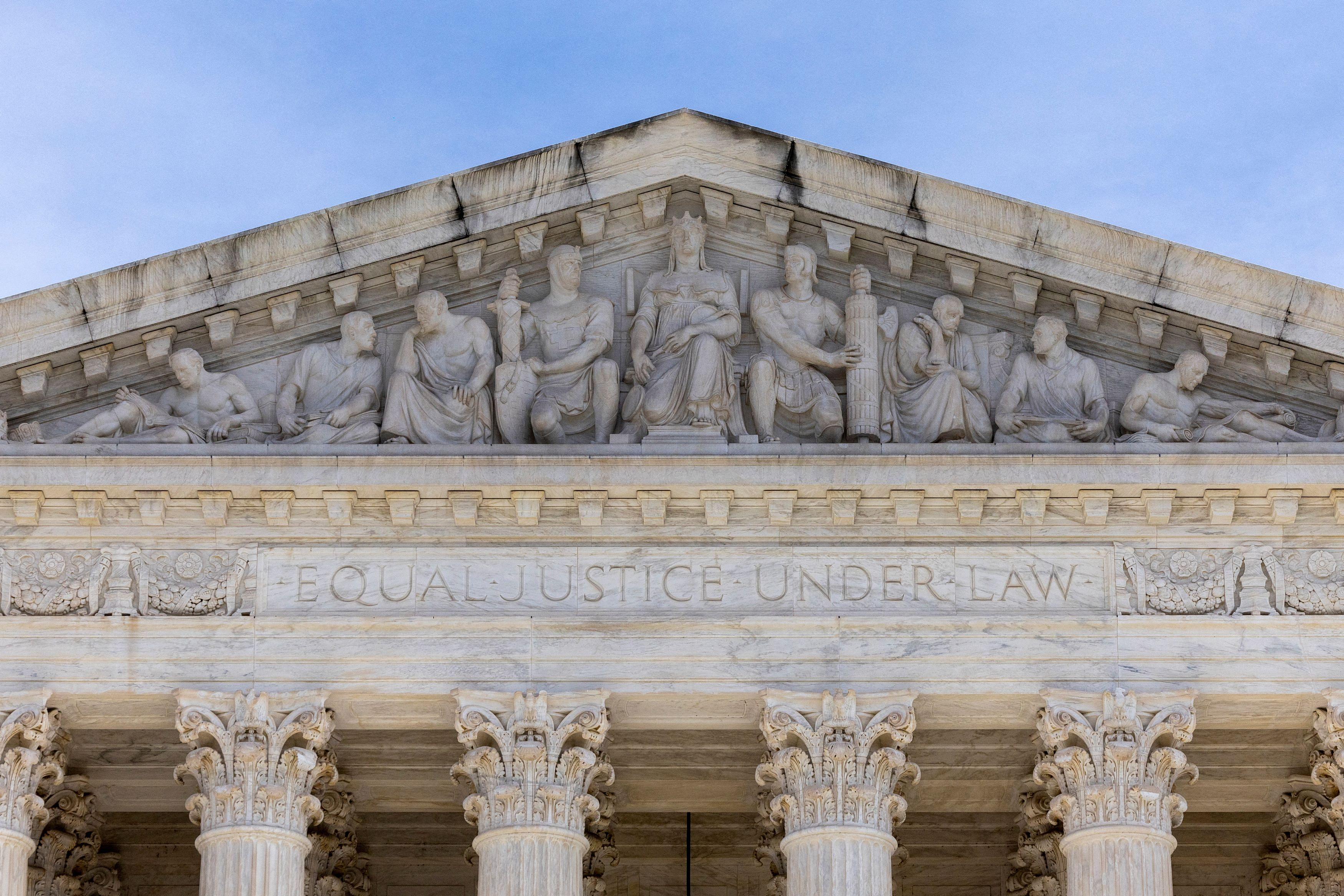
WASHINGTON—President Trump’s global tariffs are illegal, the Supreme Court ruled Friday, in a stinging repudiation of a signature White House initiative.
The decision , written by Chief Justice John Roberts , removes a tool of diplomatic pressure that Trump has aggressively wielded to remake U.S. trade deals and collect tens of billions of dollars from companies importing foreign goods.
It is the first time the high court has definitively struck down one of Trump’s second-term policies. In other areas, the court’s conservative majority has so far granted Trump broad latitude to deploy executive power in novel ways, but a majority of justices—three conservatives and three liberals—said he went too far in enacting his most sweeping tariffs without clear authorization from Congress.
Three conservative justices— Clarence Thomas , Samuel Alito and Brett Kavanaugh —dissented.
The case involved two categories of tariffs. Trump imposed one category on virtually every country in the world, ostensibly to repair trade deficits. He imposed the other set of tariffs on Mexico, Canada and China, saying those countries are responsible for the flow of illegal fentanyl into the U.S.
The court rejected Trump’s argument that a 1977 law, the International Emergency Economic Powers Act, implicitly authorized both groups of tariffs.
“Had Congress intended to convey the distinct and extraordinary power to impose tariffs, it would have done so expressly,” Roberts wrote.
The tariffs before the Supreme Court constituted a large majority of Trump’s duties. Over the next decade, the tariffs the president imposed through his claims of emergency powers were expected to raise about $1.5 trillion, according to the Tax Foundation, representing 70% of Trump’s second-term tariffs.
Trump imposed tariffs on Canada, China and Mexico in February of 2025 for not doing enough to prevent fentanyl and other illegal drugs from crossing the border into the U.S. Then in April, on a day he dubbed “Liberation Day,” Trump announced a general 10% tariff on imports from virtually all countries and steeper levies on those the administration deems to be bad actors in trade.
Trump declared overdose deaths from fentanyl and persistent annual trade deficits to be national emergencies that justified the new trade policy. Small businesses and Democratic-led states quickly challenged the tariffs, arguing in lawsuits that they amount to a tax on the American people which Trump has no authority to impose without congressional approval.
Until Trump, no president had invoked the emergency-powers law as a basis to impose tariffs. Three different lower courts ruled the tariffs unlawful, including a specialized federal appeals court of national jurisdiction that said the emergency-powers law didn’t authorize tariffs of the magnitude Trump imposed.
Across the three decisions, 15 judges weighed in on Trump’s actions, with 11 concluding the president exceeded his authority. The Supreme Court, too, signaled skepticism when it heard fast-track oral arguments in November.
The tariffs remained in place during the litigation. The Trump administration had urged the high court to resolve the matter quickly, saying the nation couldn’t afford to wait until the summer for a final decision.
Trump has boasted about the billions of dollars being raised by his tariffs, despite the government arguing in court that any revenue is only incidental. The tariffs are in place to regulate foreign commerce, Solicitor General John Sauer told the justices during the November proceedings.