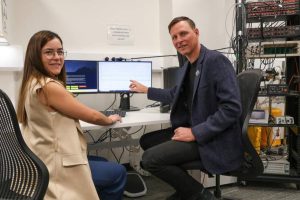
Two groundbreaking projects place Greece at the forefront of the EU’s quantum communications infrastructure drive.
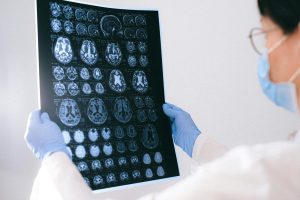
A Harvard-led study published in Nature found unusually low lithium levels in Alzheimer’s patients and showed in mice that a specific lithium compound may even reverse memory loss, raising cautious hope for future therapies
Half a century after Jaws vilified sharks, scientists warn that these vital predators are far more threatened by humans than the other way around. In Greece, many species are at risk of extinction despite legal protections and monitoring efforts
The award-winning Meteora Natural History Museum is redefining our experience of science, food, and nature with the help of mushrooms.
Researchers led by a Greek scientist found the pandemic accelerated brain aging by over five months on average — even in people who never contracted the virus
Late nights, alcohol, and irregular sleep on weekends may worsen sleep apnea, increasing risks of heart disease, depression, and fatigue. Researchers introduce “social sleep apnea” to describe this modern health concern
A new study reveals that grapes contain over 1,600 beneficial compounds supporting heart, brain, skin, gut, and eye health, with effects even at the genetic level, earning them a rightful place among top superfoods
A new study reveals that eating just three servings of fried potatoes per week can increase the risk of type 2 diabetes by 20%, while boiled, baked, or mashed potatoes show no such effect.
A leading surgeons’ association warns that some doctors in Greece are luring patients with unproven “painless” treatments promoted on social media and TV, fueling dangerous misinformation and undermining trust in the country’s healthcare system
Menelaos Raptis of Franklin & Marshall College has detected oxygen in two galaxies from the early universe, offering new clues about cosmic history.
The European Union will prohibit the use of TPO in nail gels due to reproductive toxicity concerns, giving the beauty industry only a few months to find safer alternatives
A flagship plan to boost Greek universities with EU recovery funds has collapsed into delays, dubious reviews, and legal threats—leaving the country’s brightest researchers furious and preparing for court
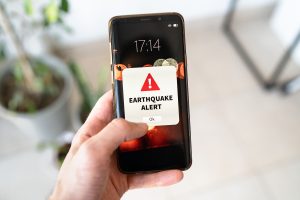
Google’s Earthquake Alerts System, active in Greece since 2021, uses smartphone sensors to detect seismic activity and send early warnings. The system has detected over 11,000 quakes in three years, offering crucial seconds of warning in earthquake-prone regions
A reflection on the deep-rooted sexism in medical history, from the unchanged design of the vaginal speculum to ongoing gender bias in treatment and research
While Europe and the U.S. work together through Artemis, China and Russia are developing their own lunar program. China aims to land astronauts on the Moon by 2030 and is cooperating with Russia to establish a lunar research station
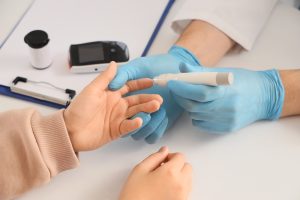
Type 2 diabetes affects around 400 million people globally and is typically diagnosed through elevated blood glucose. This new saliva-based test offers a promising new tool for early detection and prevention
Their road to victory began earlier this year in Athens, where they emerged as winners in the national qualifying round.
The distinction was awarded in recognition of a groundbreaking experiment involving deep-space laser communication.
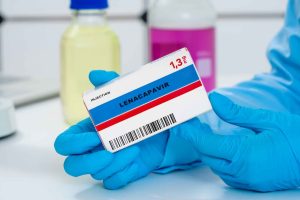
Lenacapavir, already approved for treatment-resistant HIV cases, is expected to become available this year in the EU for preventive use as well
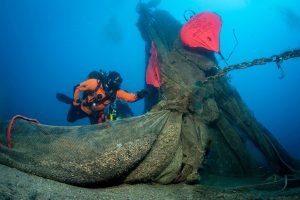
The process of planting requires taking fragments of Posidonia that have been uprooted from boat anchors and cultivating them within the short period of time that they remain alive