European farmers are facing another difficult growing season as extreme heat, prolonged drought, and destructive wildfires take a heavy toll on crops across the continent, fueling concerns that food prices—particularly for olive oil—could begin rising again in the coming months.
From corn and vegetables to vineyards and olive groves, reduced agricultural output is increasing fears of renewed inflation in food markets. Olive oil is among the products causing the greatest concern.
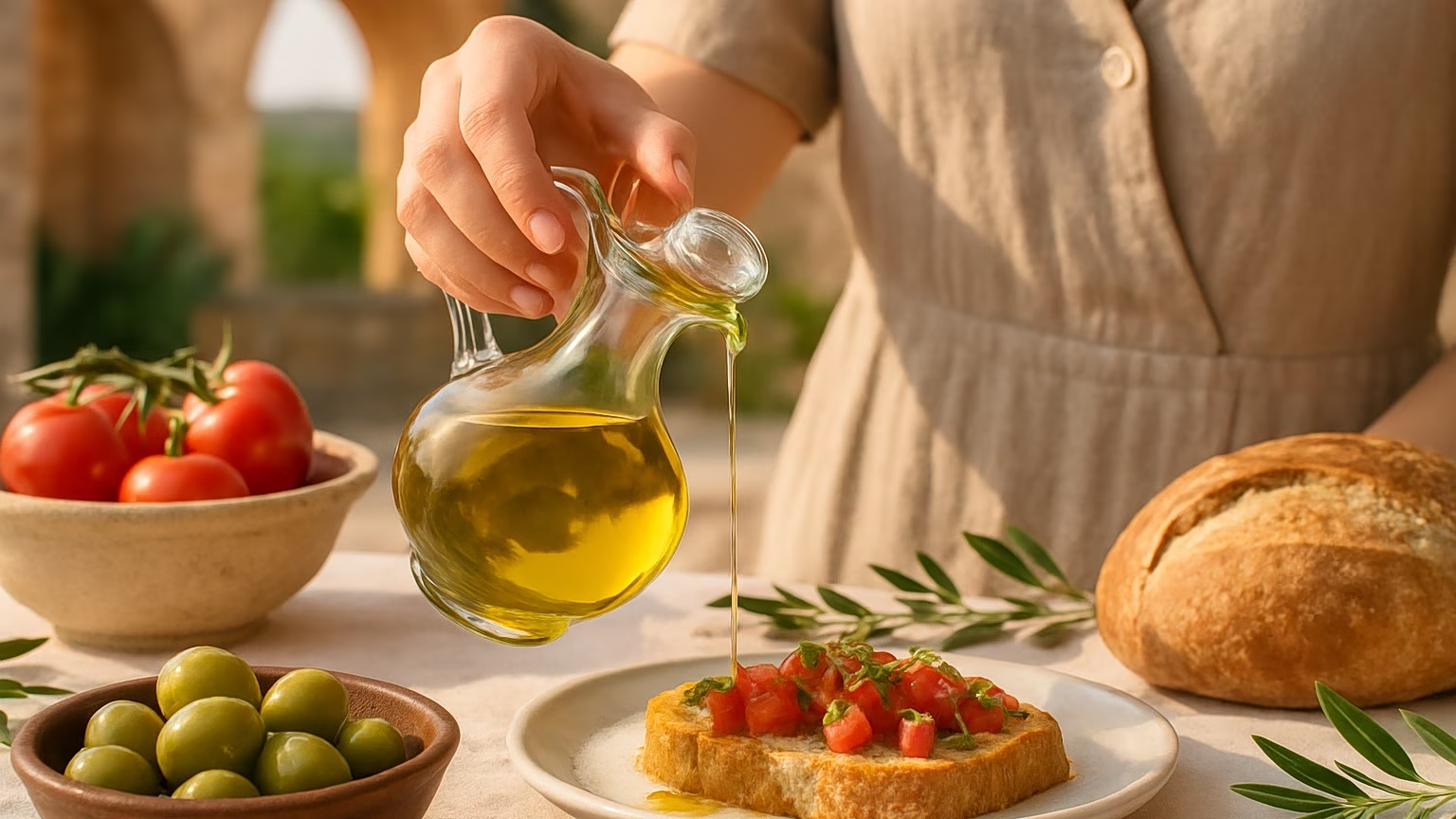
Olive-growing regions in several European countries are being affected by a combination of soaring temperatures, water shortages, and wildfires. Producers warn that olive oil prices could resume their upward trend during the fall.
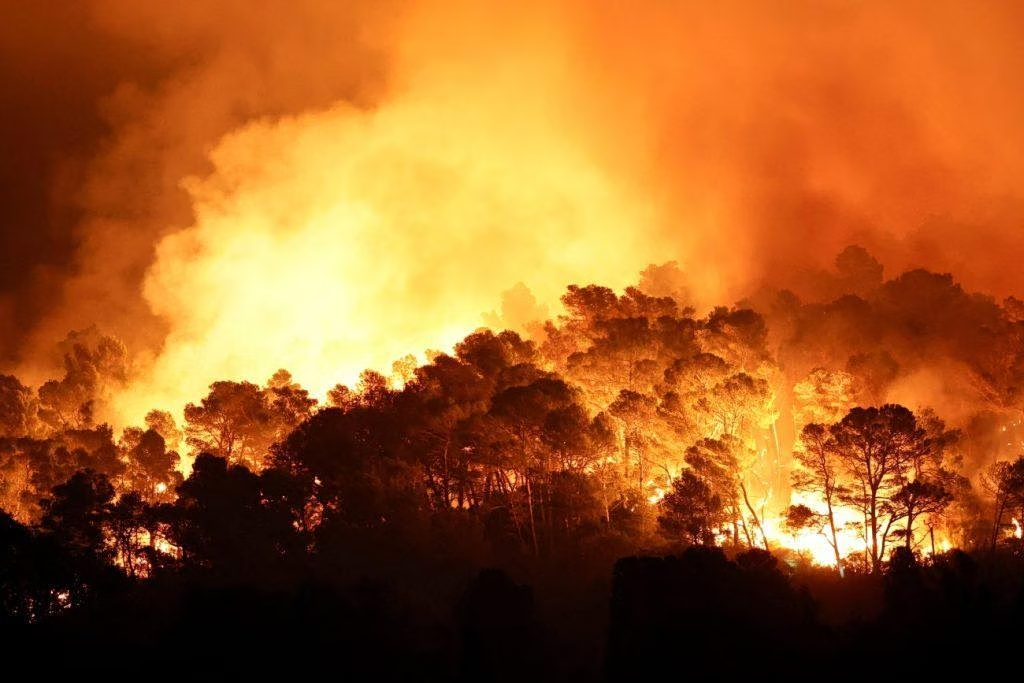
Wildfires have struck olive-producing areas in Greece, Italy, and Portugal. Even groves that escaped the flames have been affected by smoke, ash, and deteriorating air quality. At the same time, high temperatures are encouraging the spread of pests and diseases while also affecting the growth and size of olives.
Although international olive oil prices had eased after reaching record highs in recent years, they have begun trending upward again in recent months. Lower volumes of marketable olives and rising production costs could trigger another round of price increases, placing additional pressure on both producers and consumers.
According to The Guardian, the average price of a one-liter bottle of extra virgin olive oil in the United Kingdom remains above £7 and has started rising again in recent months.
The pressure extends well beyond olive production. In France, thousands of tons of vegetables worth tens of millions of euros are estimated to have been lost. Production of some crops—including leafy vegetables, carrots, leeks, garlic, and onions—could be reduced by as much as half.
French vineyards in the Champagne, Bordeaux, and Burgundy regions have also been affected, with extreme heat limiting grape development. In Champagne, the harvest is expected to begin about a month earlier than it did several decades ago, while production is projected to be around 10% lower than last year.
In Spain, forecasts for this year’s cereal harvest have been cut from 24 million metric tons to just over 18.5 million metric tons. The estimate was made before the recent wildfires.
This decline comes despite Spanish farmers’ greater adaptation to hot, dry conditions through the cultivation of heat-tolerant crop varieties and increased reliance on irrigation and water storage to manage periods of drought.
Meanwhile, the European Union has lowered its production forecasts for sunflowers, corn, potatoes, and soybeans. Corn estimates have been reduced by 6% compared with the previous forecast, while expected potato and soybean production has been cut by 3%.
The impact has not been uniform across Europe. Romania has benefited from higher rainfall, while Italy’s wheat harvest has proven more resilient.
The agricultural trade organization ASAJA also reported that wildfire damage has affected orchards, vineyards, farmland, and greenhouses, impacting citrus fruits, avocados, almonds, vineyards, vegetables, and olive groves. It added that water stress and extreme temperatures have also reduced tomato and corn production.