 Μake us preferred on Google
 Greece’s culture ministry on Monday announced that it is moving forward with the restoration and promotion of a site where the remains of a Roman-era villa near modern-day Amyntaio, in northern Greece, have been discovered and are under excavation and research.
The ancient abode is believed to be where the ancient settlement of Eordaia once stood. It discovered at the site “Livadia,” within the archaeological area of the Hellenistic-era city of Petres, which covers approximately 8,000 square meters.
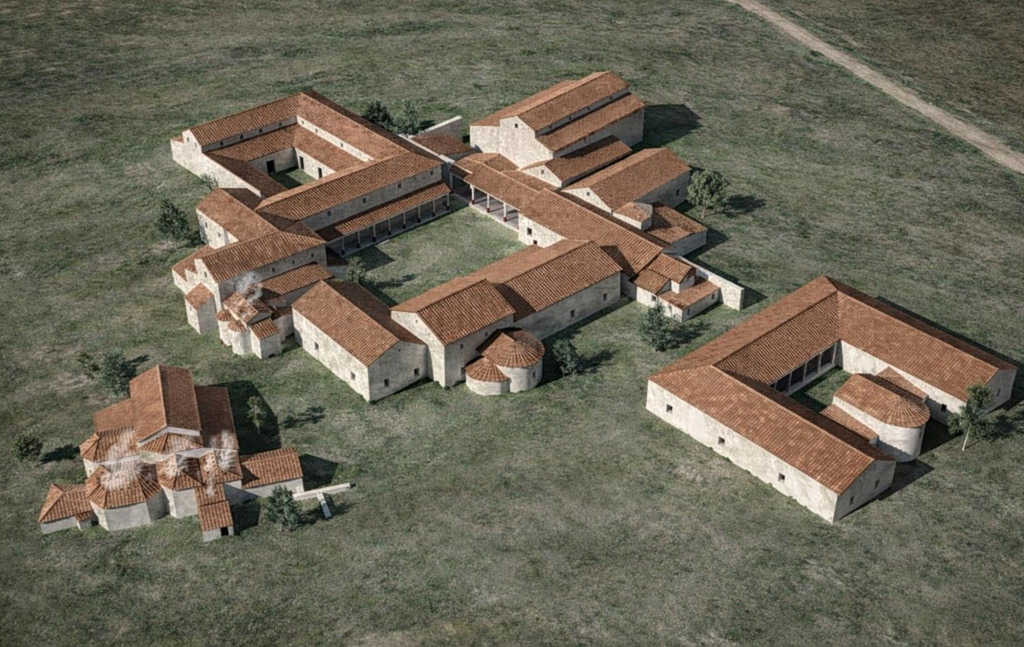
The Roman villa in Amyntaio
The overall project includes the conservation and enhancement of the building’s remains, the construction of protective shelters for the mosaics, visitor pathways, the construction of a visitors’ reception and service facilities, as well as the installation of drainage and lighting systems. The project has a total price tag of €2.5 million.
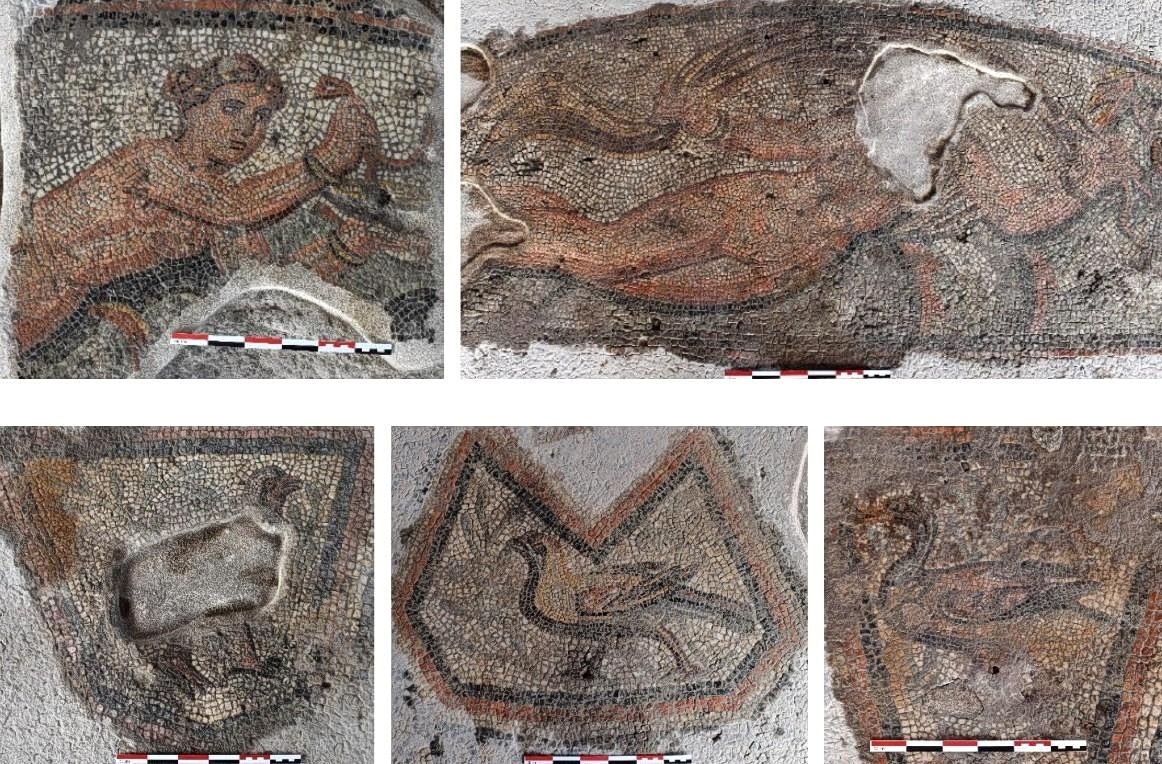
In a statement, Culture Minister Lina Mendoni noted that “…The Roman villa, an unusually large urban villa discovered in 2017, extends over approximately 5,100 square meters and dates to the Late Roman period (2nd–5th century AD). It is located just outside the town of Amyntaio, in the area of ancient Eordaia, which since the time of Philip II belonged administratively to the kingdom of Lower Macedonia. It is a building complex with an extensive and complex layout, organized into five wings around courtyards. It includes large and small rooms, colonnades and corridors, baths, a domestic shrine dedicated to Zeus, and luxurious spaces decorated with frescoes, sculptures, and mosaics of exceptional craftsmanship and diverse themes.
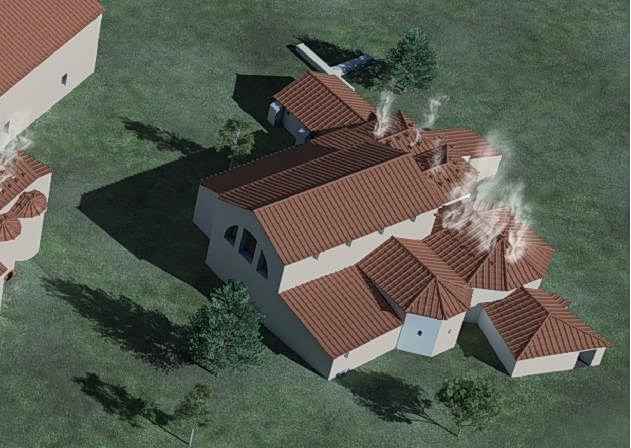
“The Roman villa extends over approximately 5,100 square meters and is structured into five distinct wings—north, east, central, south, and west—separated by courtyards and elongated corridors or colonnades. The central wing forms the most luxurious core, featuring rich decoration, mosaic floors, and reception halls. It appears to have played a central role during the villa’s peak period, serving as the main hub of the complex.
“The western wing houses a large bath complex. The northern wing has mainly a private character and includes a small bath and statues of deities, while the eastern and southern wings show a complex building history with later additions. The villa’s spaces are divided into areas of public and private use: the bath areas in the western wing and the luxurious halls of the central wing seem to have served public functions, while the southern wing likely functioned as a private residential complex. In total, about 175 distinct spaces have been identified, many of which, covering 610 square meters, are decorated with mosaics and frescoes. Temporary shelters and drainage systems have been installed to protect the monument.”
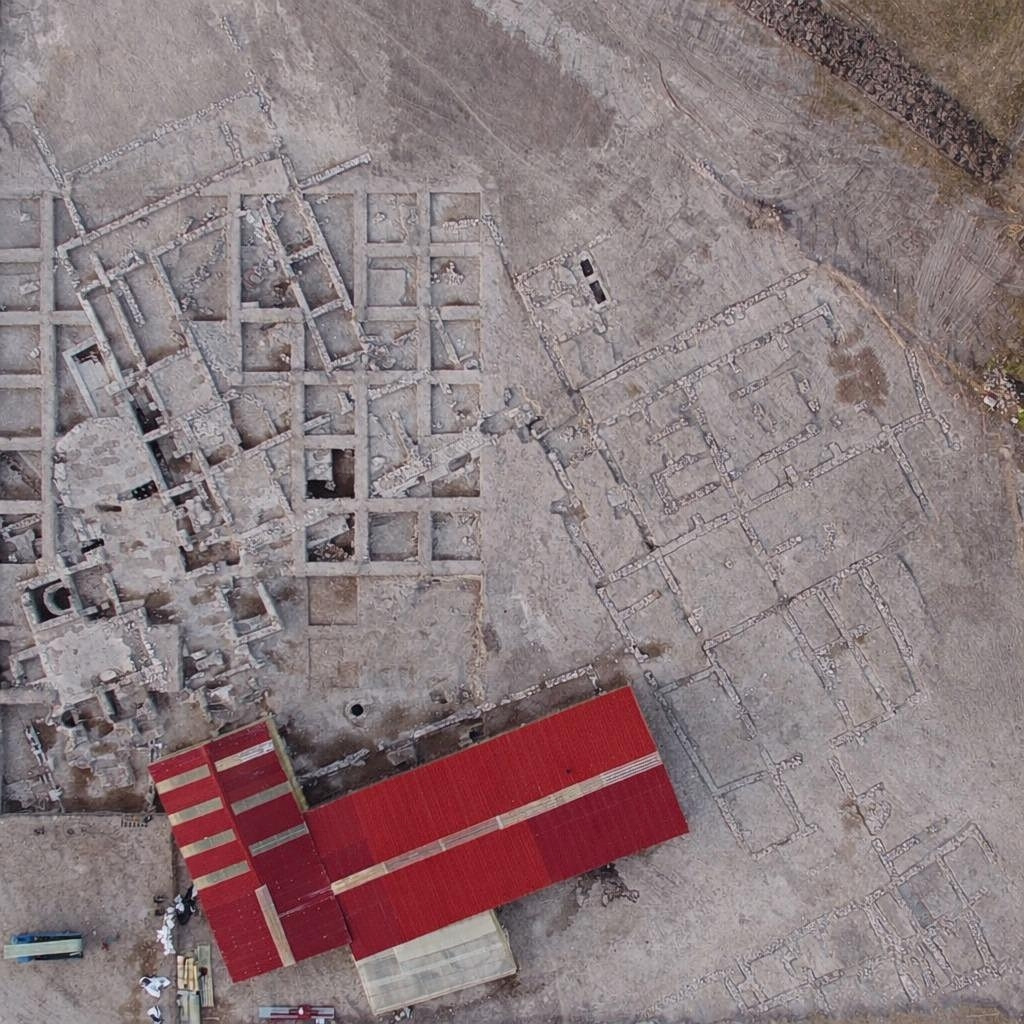
“The Roman villa has suffered significant deterioration, with major loss of structural material, especially in the eastern and northern wings, where only the foundations survive. The damage is due to natural, human, and successive historical factors. Additionally, masonry, mortars, ceramics, floors, and mosaics have been damaged, with parts having been removed due to later funerary use.”