 Μake us preferred on Google
 Christopher Nolan’s long-awaited The Odyssey opens in theaters across Athens and the rest of Greece today, marking one of the country’s biggest film releases of the year.
The Oscar-winning filmmaker’s latest epic, adapted from Homer’s nearly 3,000-year-old poem, arrives in more than 140 cinemas nationwide after months of anticipation, early sell-outs and intense online debate. Starring Matt Damon as Odysseus, Anne Hathaway as Penelope, Tom Holland as Telemachus, Lupita Nyong’o as Helen of Troy, Charlize Theron and Samantha Morton, the film combines Nolan’s signature non-linear storytelling with one of the foundational works of Western literature.

Anne Hathaway is cast in the role of Penelope in Christopher Nolan’s “The Odyssey”.
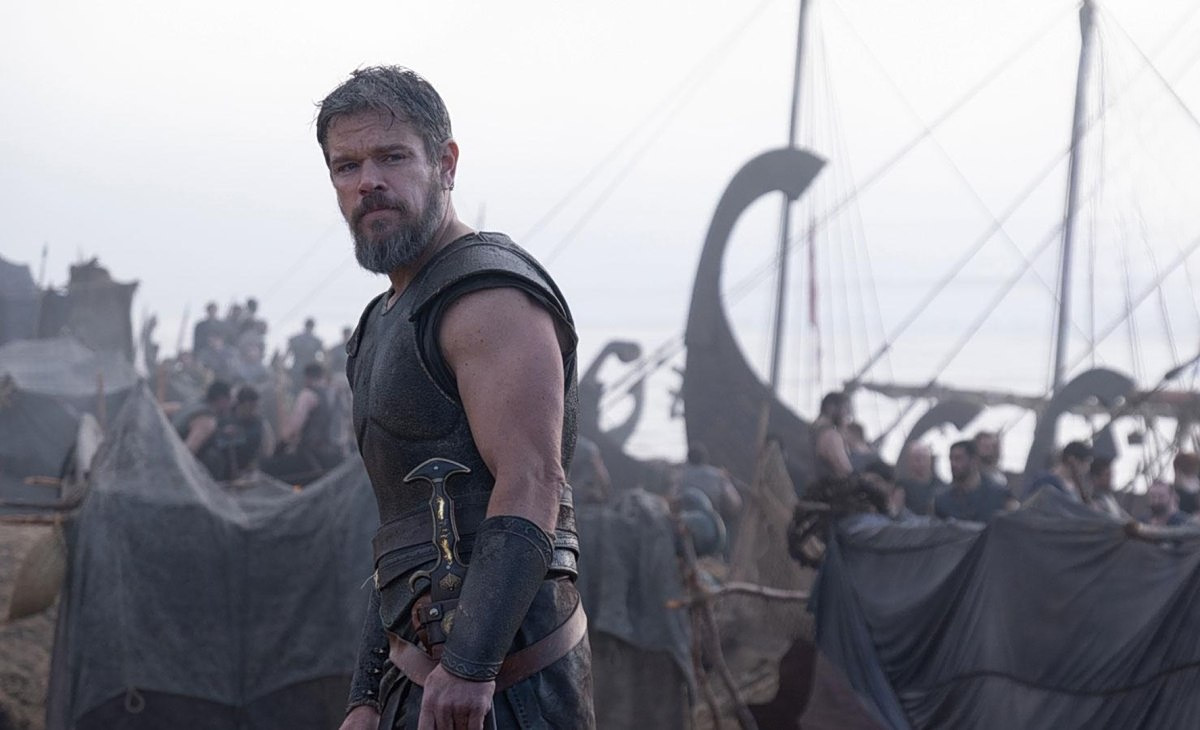
Filmed entirely with IMAX cameras across multiple countries, The Odyssey runs 172 minutes and follows Odysseus’ perilous journey home after the Trojan War, including encounters with the Cyclops, Circe, the Sirens and other figures from Greek mythology.
Casting controversy fades as audiences finally see the film
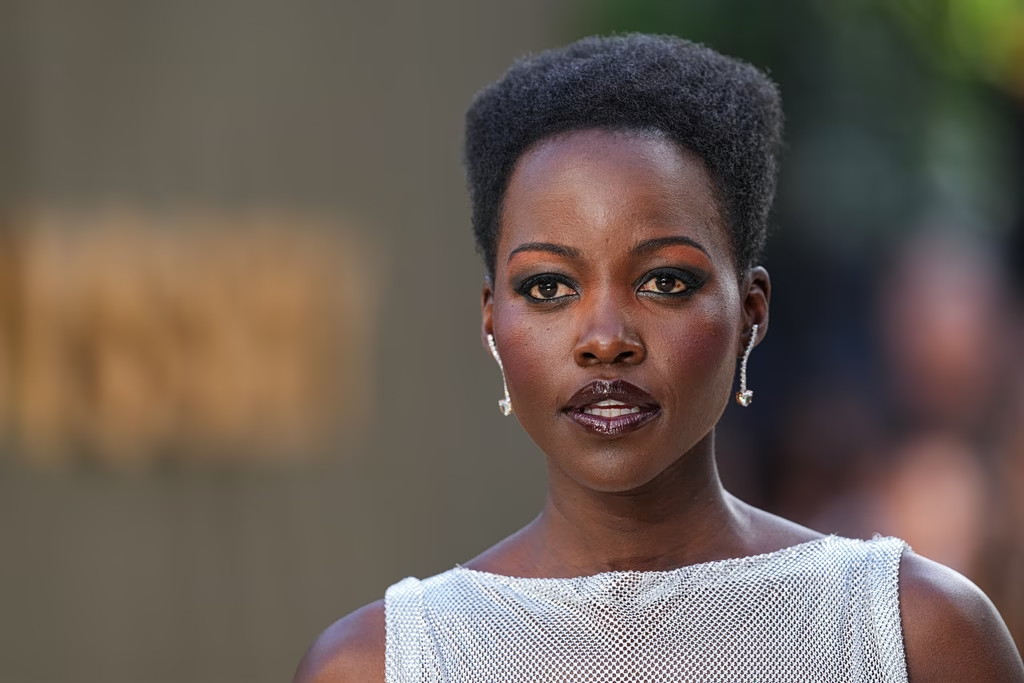
Long before audiences stepped into theaters, one of the film’s most controversial creative decisions dominated online discussion: Nolan’s casting of Academy Award winner Lupita Nyong’o as Helen of Troy.
Critics on social media argued that casting a Black actress as one of ancient Greece’s most famous mythological figures departed too far from traditional interpretations. The debate spread well beyond Greece, drawing criticism from conservative commentators in the United States and prompting Nolan to dismiss much of the backlash as premature, arguing that a film should be judged after it has been seen rather than before.

Actress Lupita Nyong’o has received intense backlash after being cast as Helen of Troy in Nolan’s film. REUTERS/Mario Anzuoni
In Greece, however, the reaction has been notably more measured. Scholars, teachers and many moviegoers have argued that Homer’s works have survived precisely because they have been continually reinterpreted across centuries. Rather than viewing new adaptations as a threat to cultural heritage, many see them as keeping the ancient stories alive for new generations.
One point emerging from early reviews is that the controversy may have been overstated.
Helen appears only briefly in the nearly three-hour film, making her role far smaller than many critics of the casting had anticipated.
‘No one needs to adapt The Odyssey again’
Among the film’s strongest endorsements comes from veteran Greek film critic Giannis Zouboulakis, who argues that Nolan has delivered what may become the definitive cinematic adaptation of Homer’s epic.
Writing after seeing the film, Zouboulakis says Nolan’s achievement is so complete that “there is simply no need for another film adaptation of The Odyssey.”
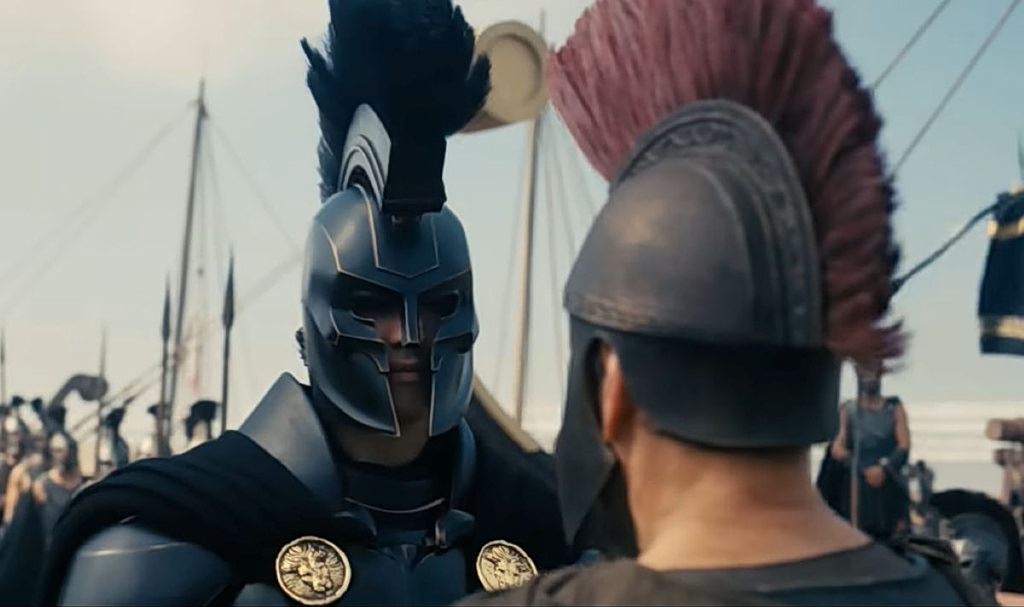
He praises the production as meticulously crafted, enormously ambitious and supported by an outstanding screenplay written by Nolan himself. While acknowledging that the director makes significant changes to Homer’s narrative, the critic argues these are not only justified but necessary, emphasizing that cinema and literature operate according to different artistic conventions.
Zouboulakis also dismisses the controversy surrounding Nyong’o’s casting.
He notes that Homer never physically describes Helen of Troy, leaving her appearance to the audience’s imagination. Since Nolan adapted the screenplay himself, the critic argues, he was fully entitled to imagine Helen differently. More importantly, he writes, Nyong’o’s appearance neither undermines the story nor distracts from it. In fact, Helen’s role is so brief that viewers may barely remember seeing her.
Instead, Zouboulakis believes the film’s real achievement lies elsewhere.
Rather than celebrating Odysseus as an untouchable hero, Nolan presents him as a broken man struggling with the psychological consequences of war.
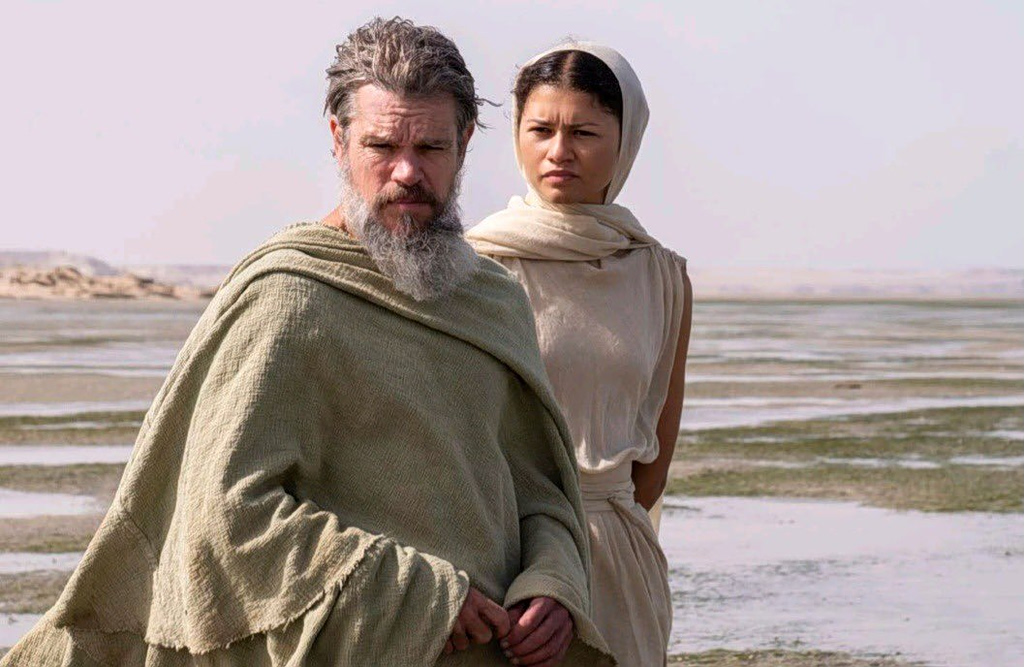
Matt Damon and Zendaya, as Odysseus and Athena, in a still released from Nolan’s “The Odyssey” earlier this year.
Matt Damon’s Odysseus is haunted by the destruction of Troy, a catastrophe made possible by his own idea of the Trojan Horse. The battle sequences deliberately strip away any romantic notions of heroism, portraying war as horrifying and morally devastating. According to the critic, Nolan’s film argues that the Greek victors were not heroic conquerors but participants in immense brutality.
Throughout the film, Odysseus appears exhausted, emotionally shattered and burdened by guilt. His only remaining hope is to return to Ithaca and reunite with Penelope and his son Telemachus. The longing for home—not military glory—becomes the emotional center of the story.
Zouboulakis also praises Nolan’s narrative structure. Rather than following Homer’s epic chronologically, the director fragments time in a style reminiscent of Dunkirk and Oppenheimer, moving fluidly between Troy, Ithaca, Circe’s island and other episodes from the epic.

The result, he argues, is a film that shifts effortlessly between the grand spectacle of classic sword-and-sandal cinema and the philosophical weight of ancient Greek tragedy.
The reviewer acknowledges that several episodes from Homer’s poem have been omitted or substantially reimagined—including Nausicaa, the Phaeacians and Odysseus’ descent into the Underworld—but considers these entirely appropriate for a film adaptation.
Ultimately, he concludes, The Odyssey functions less as an action blockbuster than as “a philosophical fairy tale.”
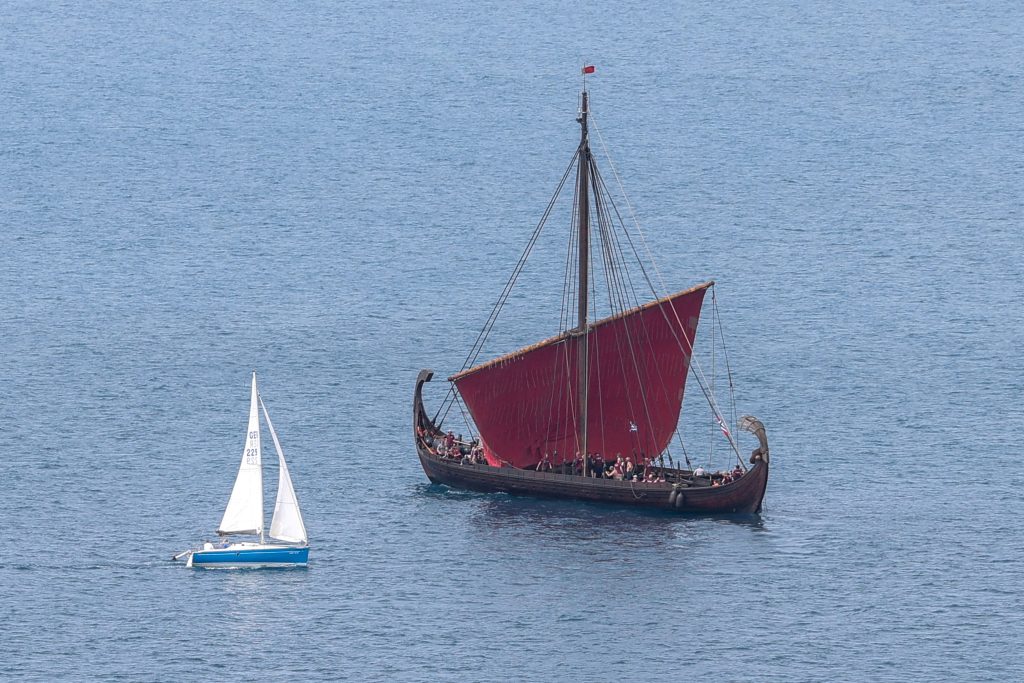
A yacht sails by a replica of an ancient warship, during the filming of The Odyssey, the latest project from director Christopher Nolan, in the town of Pylos, Greece, March 16, 2025. REUTERS/Louisa Gouliamaki
Although Homer scholars will inevitably debate Nolan’s departures from the source material, Zouboulakis believes the film honors the spirit of the ancient epic while creating something distinctly cinematic.
His verdict is clear: Christopher Nolan remains one of contemporary cinema’s last true auteurs, and The Odyssey deserves to become part of film history.
Rating: 3½ out of 5.
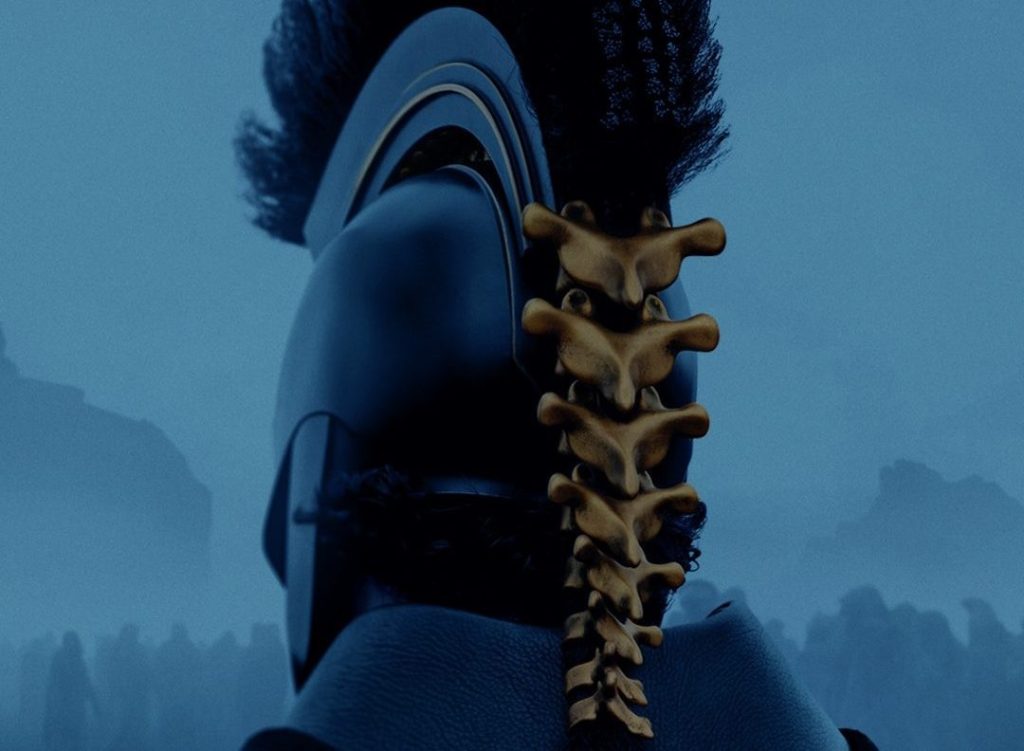
The first trailer for Christopher Nolan’s “The Odyssey” teases epic battles, the fall of Troy, and a cameo from Travis Scott, as anticipation builds for the film’s July 17 release.
Where to watch The Odyssey in Athens
The film opens today in multiplexes and open-air cinemas across the Athens metropolitan area, including Athinaion, Aello Cinemax, Options Escape Center, Options Glyfada, Village-affiliated venues and several summer cinemas. Most theaters have scheduled multiple daily screenings, with premium IMAX presentations proving especially popular.
Current schedules indicate that most Athens cinemas will screen The Odyssey through at least Wednesday, July 22, while many open-air theaters have already announced engagements extending through Sunday, July 26, subject to demand and weekly programming updates.