 Μake us preferred on Google
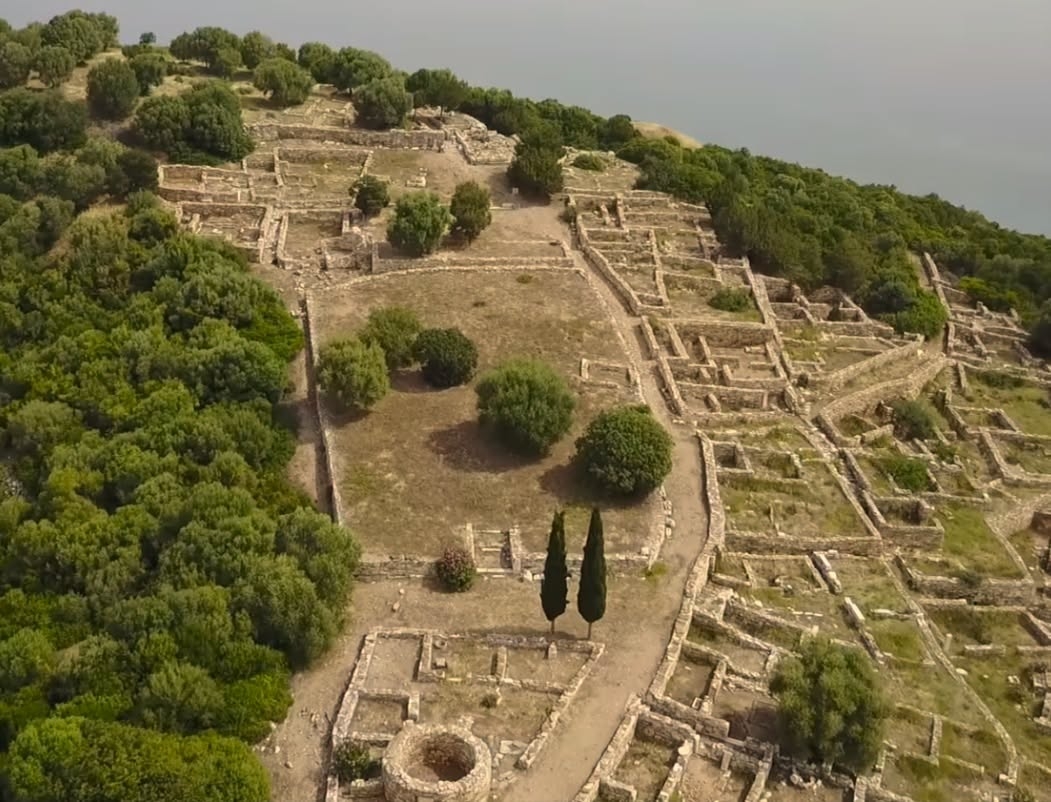
 The culture ministry is launching an extensive conservation and enhancement program at the archaeological site of Rhamnous, one of the best-preserved fortified settlements of the ancient Attica region, which was dominated by the renowned city-state of Athens.
The project is as part of a broader effort to safeguard the site’s monuments while improving public access and visitor facilities.
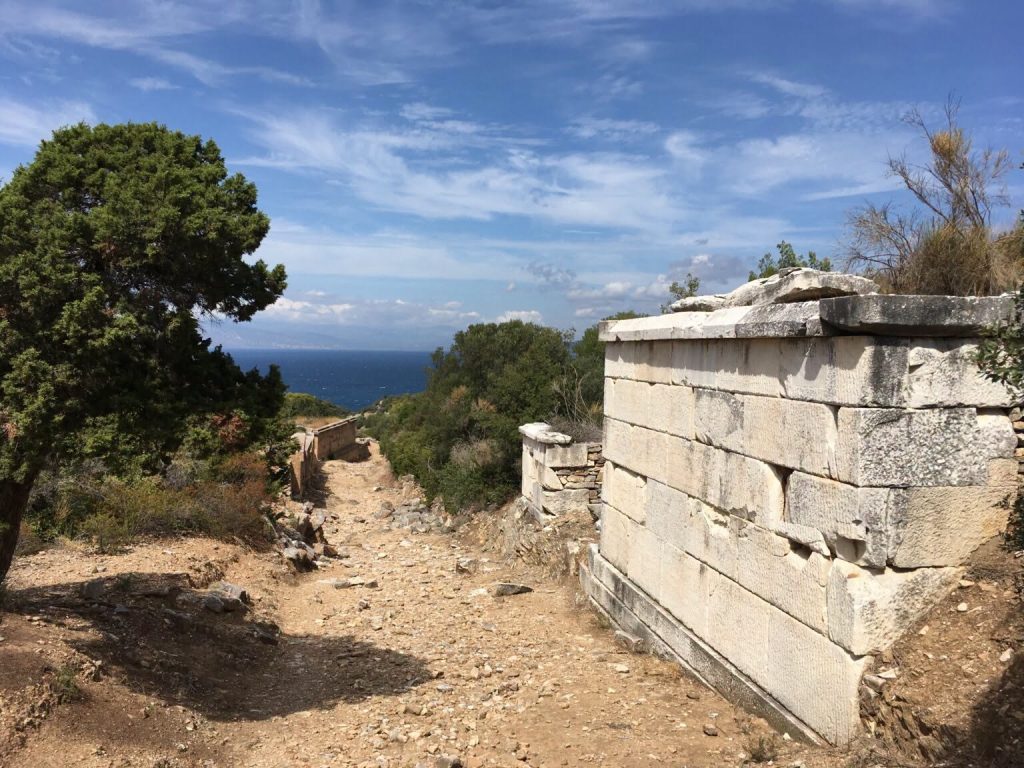
The archaeological site of Rhamnous. (Culture Ministry handout)
Located near the modern-day village of Grammatiko in northeastern Attica prefecture, and overlooking the South Evoikos Gulf separating the mainland from the large island of Evia (Euboea), Rhamnous – Rhamnouda in the modern vernacular – preserves an exceptional archaeological landscape that combines a fortified ancient settlement, the renowned Sanctuary of Nemesis, along with smaller shrines, a monumental funerary avenue lined with family burial enclosures and two ancient harbors that once controlled maritime traffic through the adjacent and all-important maritime passage.
The ministry said priority will be given to conserving and restoring vulnerable sections of the fortress while advancing studies for wider infrastructure improvements, including upgraded visitor routes, universal accessibility, enhanced safety systems and architectural lighting.
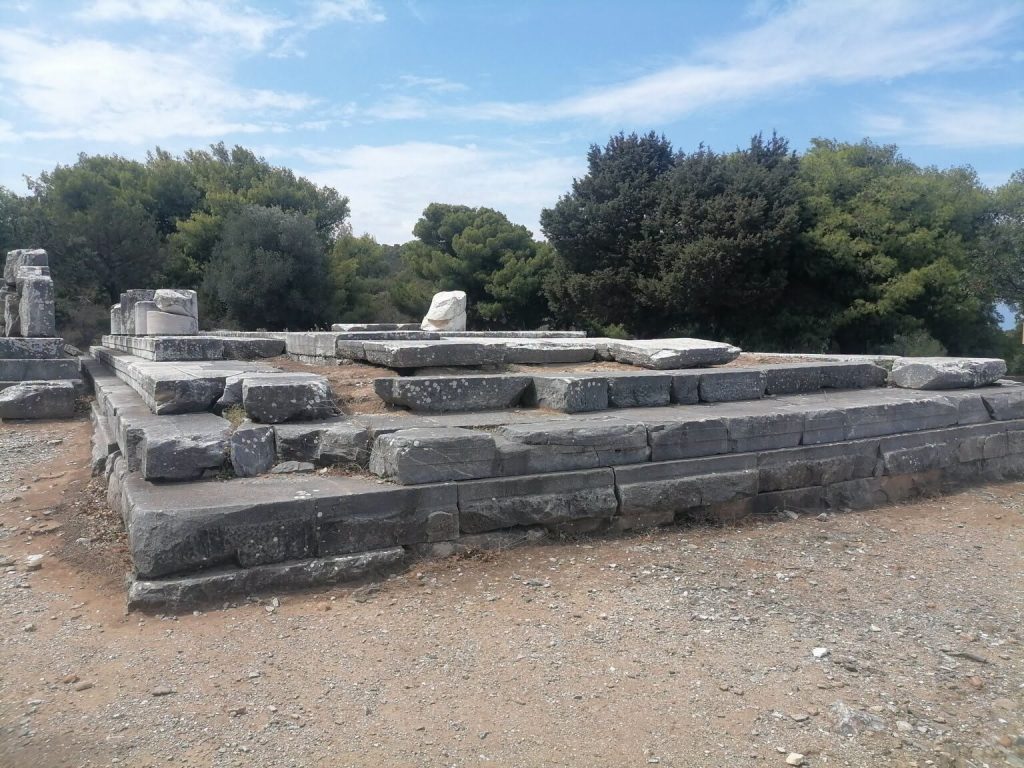
The archaeological site of Rhamnous. (Culture Ministry handout)
On her part, Culture Minister Lina Mendoni said the project reflects the government’s long-term strategy of protecting archaeological sites while making them more resilient and accessible. She said the interventions would balance monument preservation with carefully designed visitor infrastructure, guided by internationally accepted conservation principles that emphasize minimal intervention and respect for the site’s authenticity.
The program also incorporates fire protection, climate adaptation measures and improved accessibility, which she described as essential components of the sustainable management of archaeological sites. She noted that Rhamnous was included in a 2024 cooperation framework between the culture ministry and the ministry of climate crisis and civil protection, aimed at strengthening protection against natural hazards.
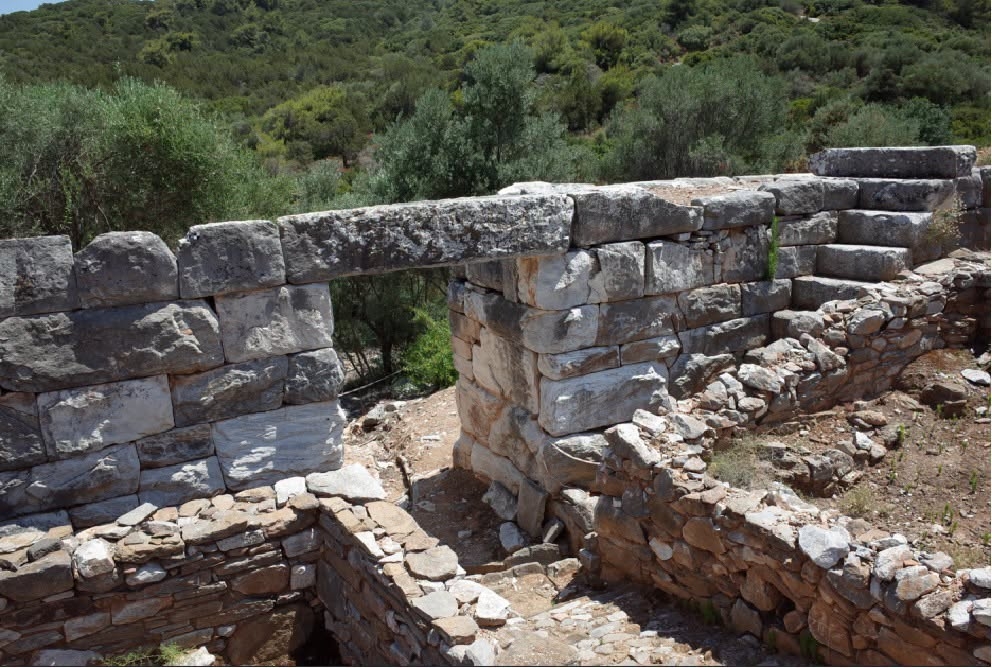
The archaeological site of Rhamnous. (Culture Ministry handout)
The centerpiece of the project is the restoration of the southeastern sectors of both the outer and inner fortification walls. Civil engineers and archaeologists will stabilize damaged masonry, repair collapsed sections, protect the walls from rainwater infiltration and vegetation and establish a long-term maintenance program.
The works will also include the creation of new visitor pathways and interpretive signage designed to improve circulation through the sprawling site. Following additional archaeological investigation and documentation, scattered architectural blocks will be returned, where possible, to their original positions during carefully documented anastylosis works.
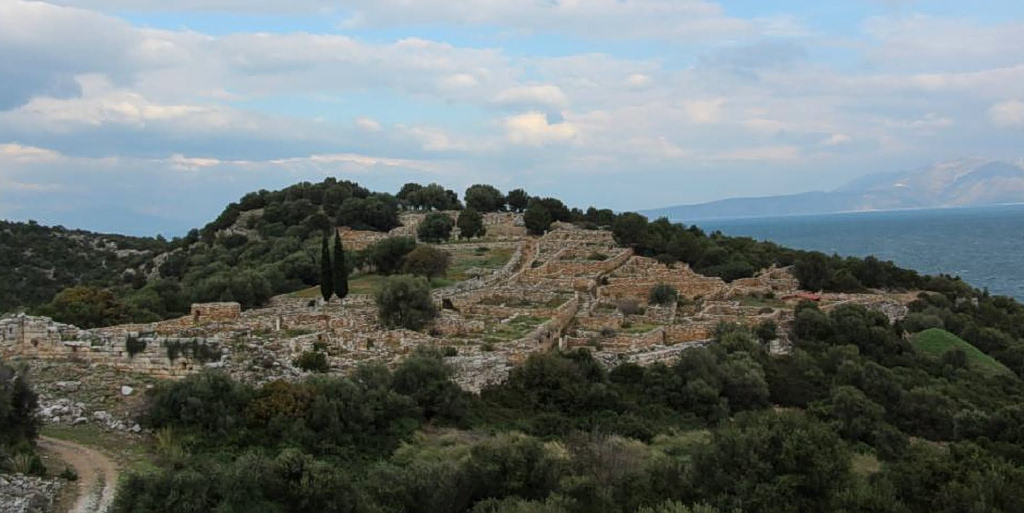
The archaeological site of Rhamnous. (Culture Ministry handout)
Rhamnous occupies a strategic position overlooking the somewhat narrow sea passage separating Attica prefecture from Euboea (Evia island). It was one of the principal fortified demes (affiliated townships) of ancient Athens.
Archaeologists generally date the construction of its imposing fortress to the middle of the fifth century BC, during the Peloponnesian War, when Athens strengthened coastal defenses to protect grain shipments arriving from the Black Sea. Together with the fortress at Cape Sounion, Rhamnous formed part of an integrated defensive network guarding the approaches to the heralded city-state.
The fortified enclosure extends for roughly 800 meters and includes towers, gates and defensive bastions surrounding an inner settlement that contained public buildings, including a theater, gymnasium, agora and military installations on the acropolis, the highest point of the settlement.
The site is internationally best known for the Sanctuary of Nemesis, the principal cult center of the ancient goddess of retribution. Archaeological research has shown that an earlier Doric temple was destroyed during the Persian invasion of 480 BC before being replaced later in the fifth century BC by a larger temple that housed the celebrated cult statue of Nemesis, traditionally attributed to Agorakritos, one of the foremost pupils of the Parthenon sculptor Phidias. The sanctuary remains one of the most significant sources for the study of Attic religious architecture and sculpture, while it has also been the subject of extensive research published in leading archaeological journals and excavation reports.
Systematic excavations led by archaeologist Vasileios Petrakos between 1975 and 2001 transformed scholarly understanding of the site, revealing not only the fortress and sanctuary but also the ancient cemetery and evidence of continuous occupation stretching from prehistoric times through the Hellenistic period. Conservation campaigns undertaken over the past five decades stabilized much of the restored fortifications, while surveys have identified structural deterioration in sections that have not yet undergone intervention.
The new project seeks to address those vulnerabilities while preserving one of Greece’s most complete ancient military and religious landscapes for future generations and at the same time reinforcing Rhamnous’ standing as one of Attica’s most significant archaeological destinations.