 Μake us preferred on Google
 A little over a month ago, the Greek Education Ministry announced that primary schools would be expected to organize at least six educational outings a year. But since the start of the school year, many public schools have found themselves reconsidering where and how far they can take their students. Alongside the push for more excursions, the ministry introduced a series of new requirements for school trips involving buses. Teachers’ associations say the rules have added so many administrative and compliance steps that even a routine visit to a museum can become almost impossible to organize.
One teacher, speaking to newspaper TA NEA, said her school had already canceled a scheduled trip. “We had planned a visit to Marathon and canceled it,” she said. “Now we go wherever we can reach on foot.”
The reason becomes clearer once the paperwork required for a school trip with a bus is laid out.
A school must first convene its teaching staff and formally approve the excursion, drawing up and signing a written record of the decision. A teacher responsible for the trip and the accompanying staff must then be designated. If a bus is needed, the school must begin a procurement process. It must seek offers from operators, publish an invitation for bids on its website, receive and record the submissions, review them, select a company and produce another formal record documenting the decision.
The cost of hiring a bus typically ranges from 150 to 500 euros, depending on the distance, according to Stavros Petrakis, vice president of the Greek Primary Teachers’ Federation (DOE).
Before accepting an offer, teachers are required to verify that the travel agency holds the necessary tourism license, has not entered bankruptcy proceedings and has no outstanding obligations to the state or social security funds. They must also review criminal-record documentation for the company representative and the driver.
Once an operator has been selected, the school must collect an updated set of supporting documents, including certificates relating to bankruptcy and liquidation, tax and social security compliance, criminal records and liability insurance. The file must then be supplemented with parental consent forms, student lists and a detailed itinerary setting out the route and the planned arrival and departure times before being submitted to the local primary education directorate.
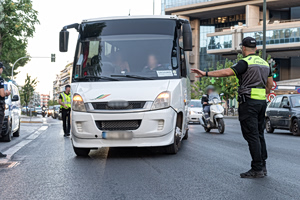
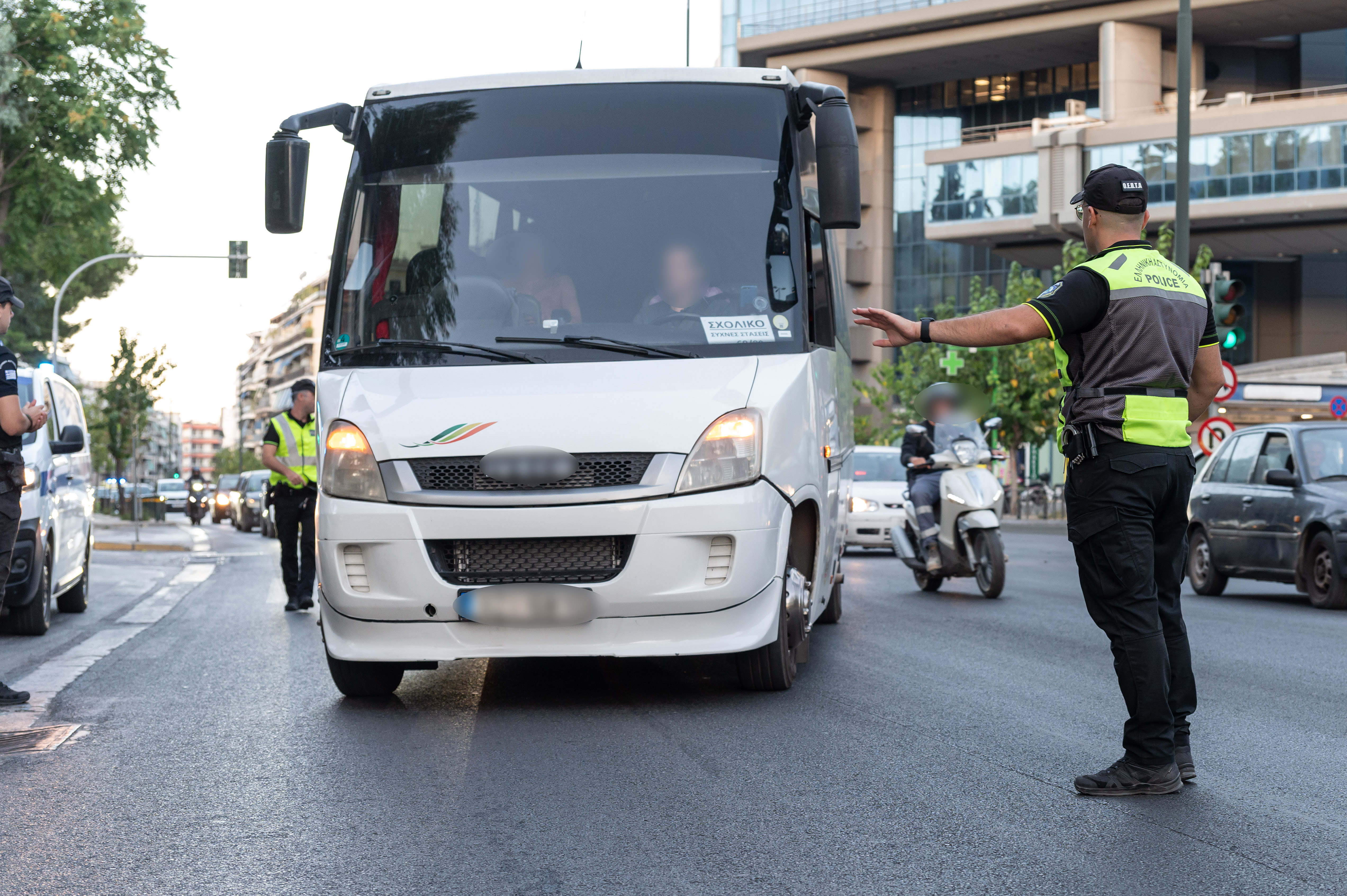
Then there is another round of paperwork for the traffic police. Teachers must send documents including the bus registration, the driver’s license and professional qualification certificate, the vehicle’s insurance policy, roadworthiness certificate and proof that its tachograph is functioning properly. The bus must also undergo an on-site inspection by the traffic police before departure. If officers do not arrive on time, the excursion can be canceled.
It is this process that has prompted a growing backlash among teachers’ groups.
At this stage several associations, such as the primary school teachers’ union in Egaleo, have advised schools to limit excursions for now to destinations that can be reached on foot, and pursue educational activities that do not require bus transportation.
DOE has also called “on the Education Ministry to take seriously the actual needs of schools and the education community and to reopen talks with a view to issuing a new ministerial decision. Teaching staffs are proposing, in the meantime, that schools limit themselves to walking trips and, more broadly, to educational visits and activities that do not require bus transportation, until the concerns outlined above are addressed.”
Petrakis argues that the state, rather than individual schools, should take responsibility for vetting bus operators.
His proposal is for the government to create a registry of companies certified to transport children, allowing schools to choose from operators that have already been vetted and approved. He also questioned the requirement for a formal bidding process for relatively modest transport costs. “For that amount, schools have to go through a bidding process, while public bodies can award contracts worth tens of thousands of euros directly, without a competitive tender,” Petrakis told TA NEA. “If this is going to apply across the entire public sector, then let it apply to schools as well,” he said pointedly.
Teachers say their objection is not to safety checks or scrutiny of bus operators and drivers, but to the volume of administrative work now placed on individual schools before an excursion can go ahead.
The result, they argue, is that teachers are being asked to take on procurement, compliance and record-checking duties that leave less room for the educational work the trips are supposed to serve.
Source: TA NEA