 Μake us preferred on Google
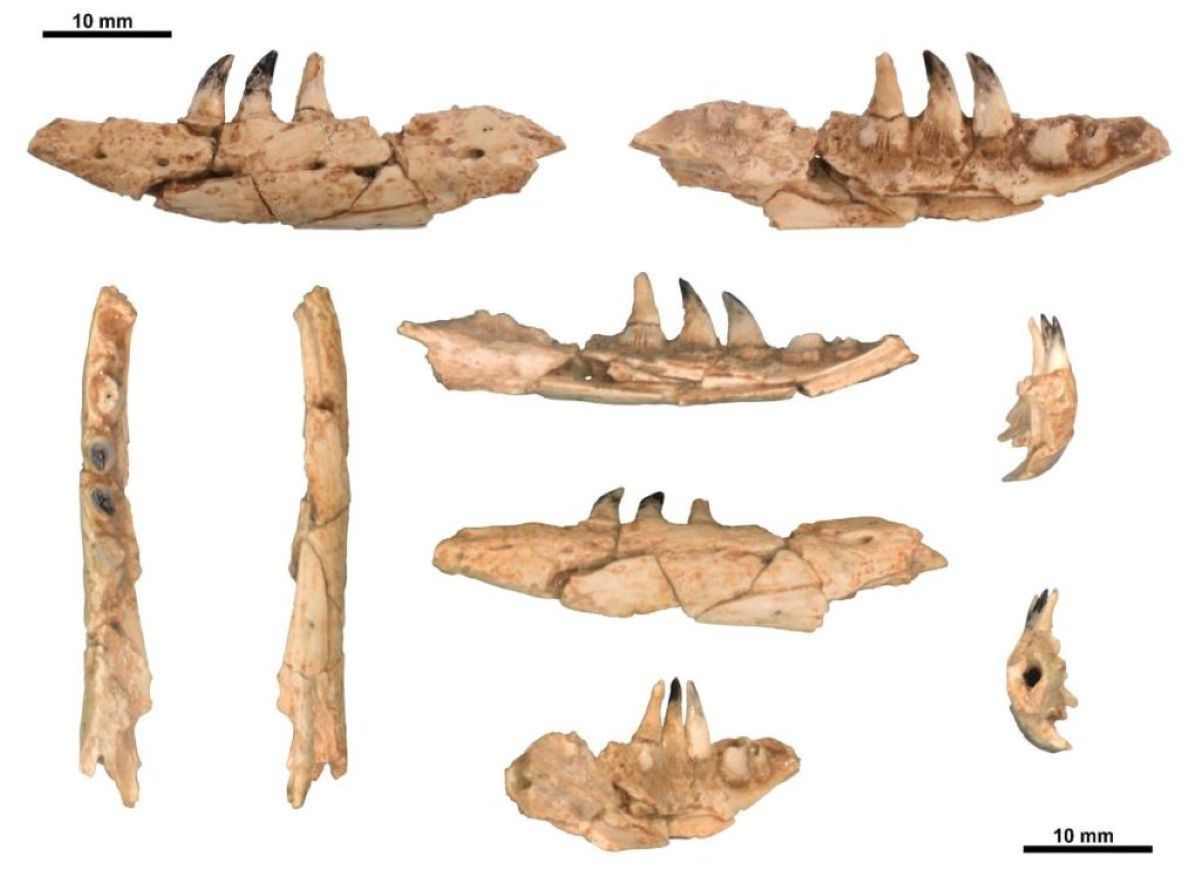
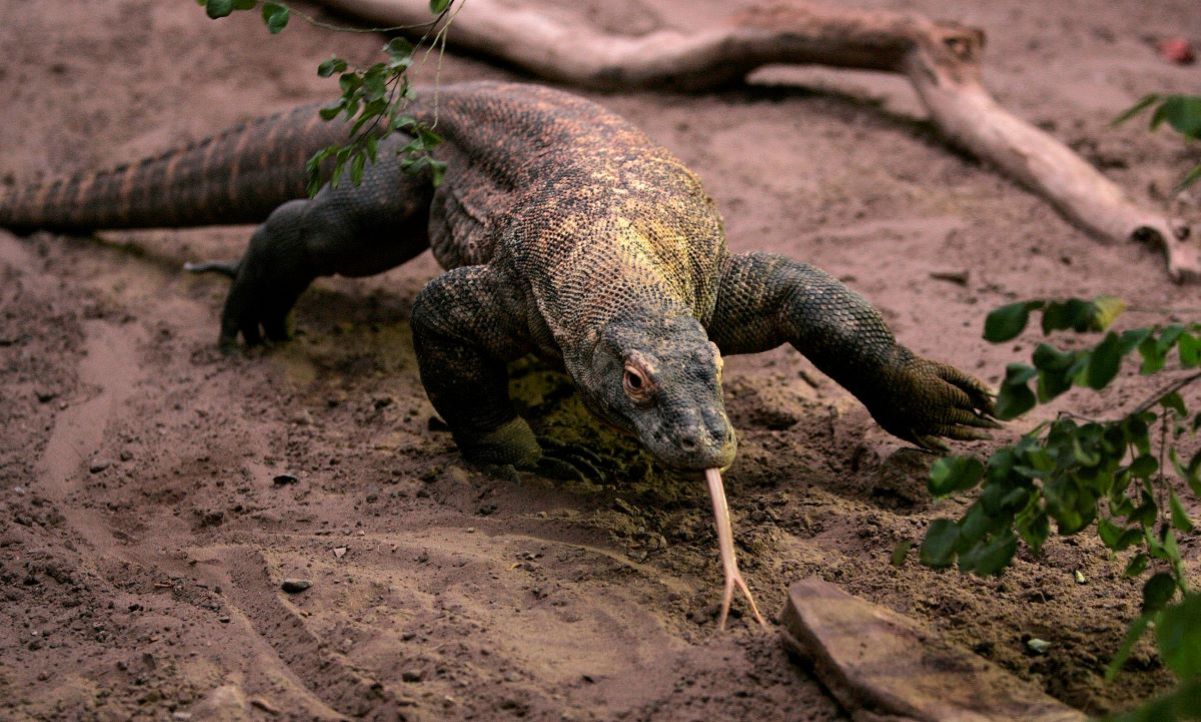
 A giant reptile—akin to today’s Komodo dragon—once stalked the ancient landscapes of northern Greece. Fossil evidence from the Cape Megalo Emvolo area near Thessaloniki reveals that a massive monitor lizard lived there roughly four million years ago, shedding light on an ecosystem long vanished from the region.
The discovery was identified by postgraduate researcher Chara Drakopoulou as part of her master’s thesis under the supervision of Professor Dimitrios Kostopoulos from the Department of Geology at Aristotle University of Thessaloniki (AUTH), Professor Georgios Georgalis from the Polish Academy of Sciences in Krakow, and vertebrate paleontologist Georgios Lazaridis.
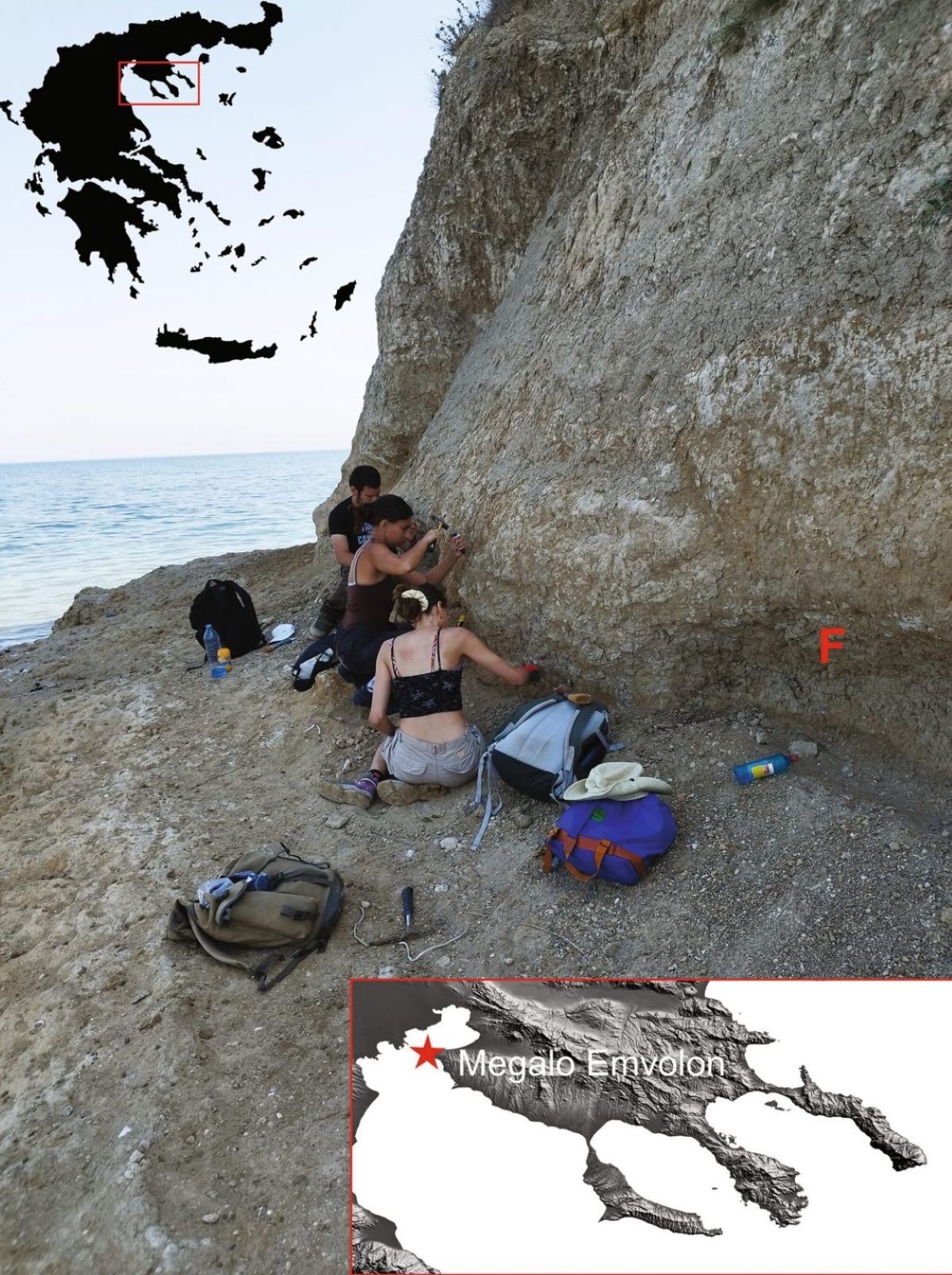
“This is the first record of this species for the site and time period,” Lazaridis told the Athens–Macedonian News Agency. For decades, systematic excavations at Megalo Emvolo have uncovered a rich array of fossils, many of which are housed in the university’s geological museum.
“Every fossil site is valuable because fossils are rare by nature,” Lazaridis explained. “This particular location is even more remarkable due to the age of the finds and the diversity of the fauna they represent, dating to the Pliocene epoch—about 4.2 to 3.2 million years ago.”
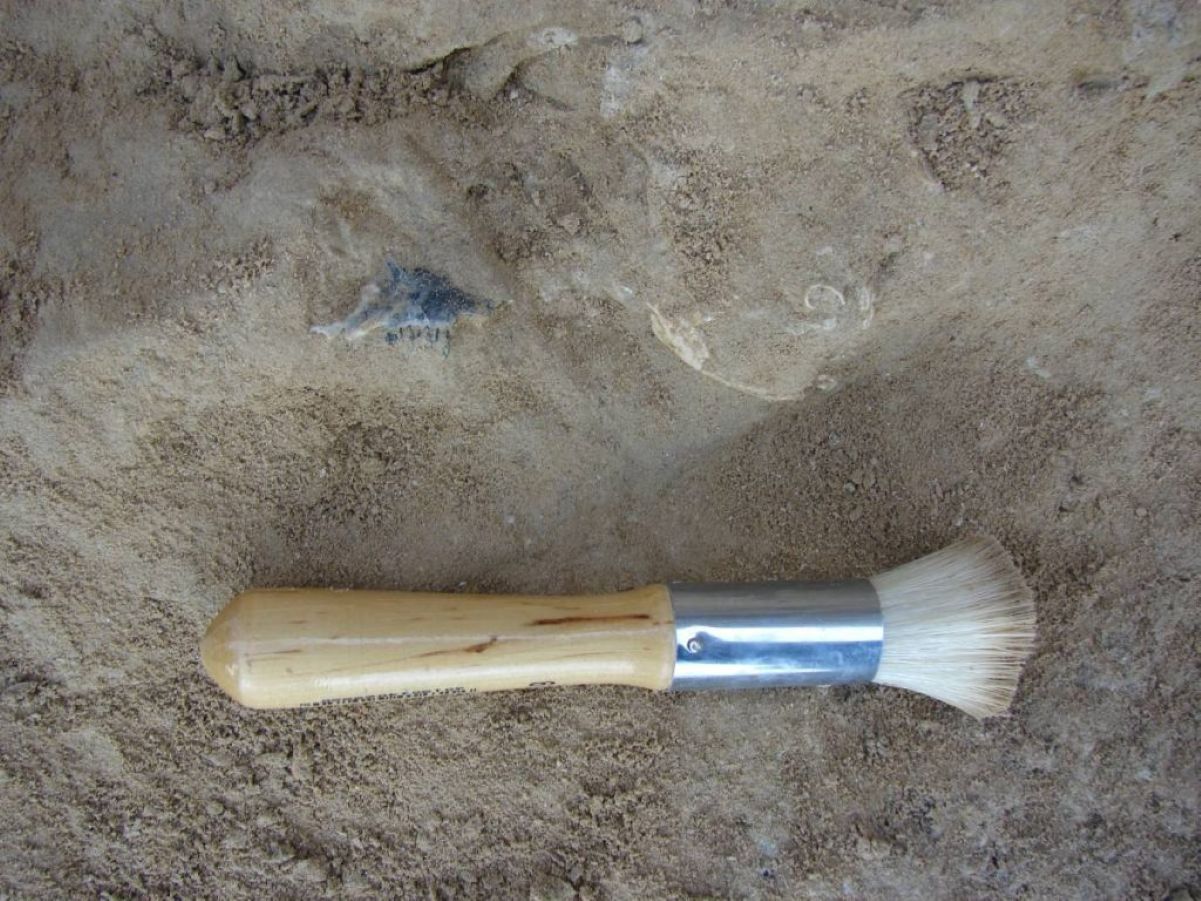
Drakopoulou’s research re-examined fossils Lazaridis had unearthed a decade earlier, confirming their identity as those of a large varanid reptile. The excellent preservation of the bones and their age make the find especially significant, marking the first time such a creature has been documented in the area.
The Megalo Emvolo deposits, Lazaridis added, offered unique sedimentary conditions that protected the fossils from total decay. The site has yielded an impressive collection of prehistoric fauna—giant tortoises, snakes, early horses, carnivores, mastodons, and rhinoceroses—species that once thrived in a warmer, radically different Greek landscape.