 Μake us preferred on Google
 The study, conducted by Eventbrite, an online platform for creating, promoting, and booking tickets to events, tracked listings across various types of gatherings, from rave parties to game nights, that used the terms “no phones” or “no photos” during 2024, 2025, and the first quarter of 2026. The numbers point to a broader cultural “phone-free” pushback against screens on the dance floor.
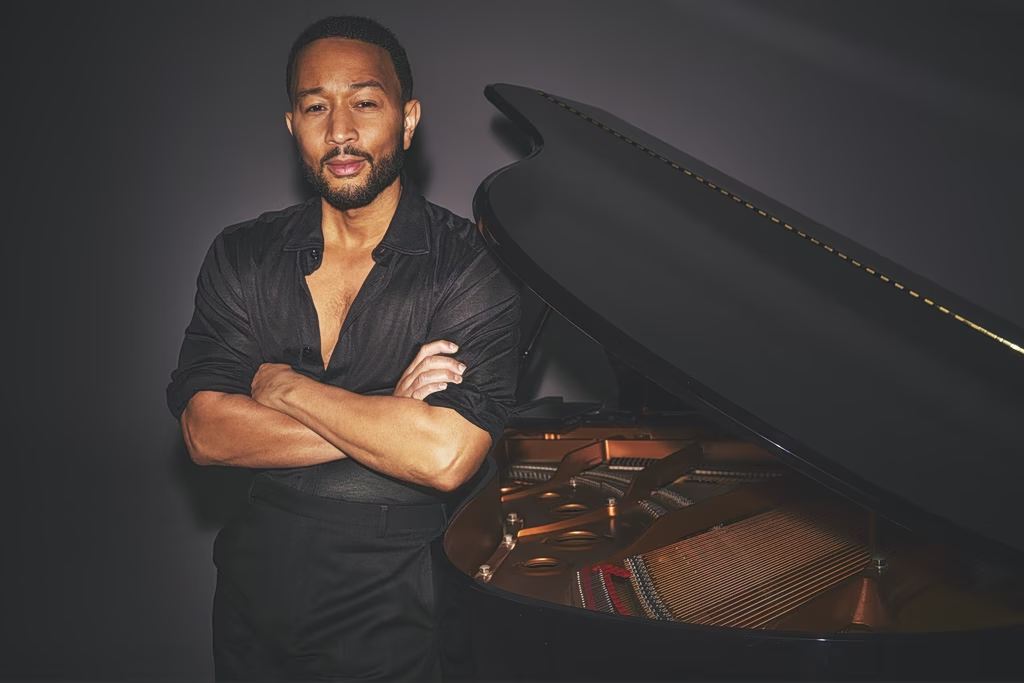
The trend gained its strongest early momentum in the music world. Artists such as Adele, Jack White, and Bob Dylan have openly voiced their opposition to the constant use of phones during their performances. In many cases, their concerts operate under strict no-phone policies, often enforced with the help of specialized pouches from companies like Yondr. Attendees keep their devices on them, but cannot use them until they exit the venue.
The result, according to many artists, is an audience that is more present, more emotionally connected, and more engaged.
No Phones Beyond the Concert
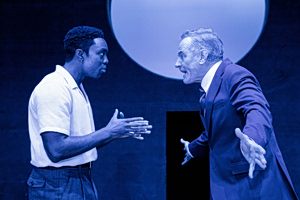
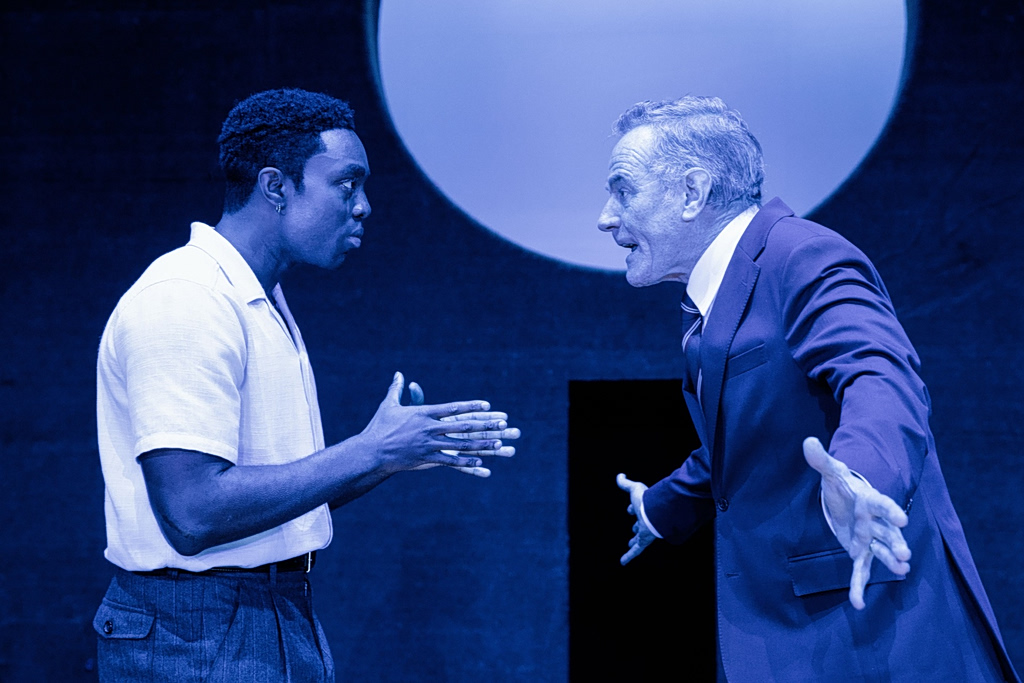
The phenomenon, however, is not limited to concerts. Phone-free events have spread across a wide range of activities — from theater performances and immersive experiences to corporate events, private dinners, and luxury gatherings. In these settings, the absence of phones doesn’t just serve as a focus tool; it also functions as a way to create a more exclusive experience. The idea that “what happens here, stays here” reinforces a sense of uniqueness and authenticity.
The United Kingdom leads the way in phone-free events, with such gatherings up 1,200% and attendance up 1,441%. The United States ranks second, with a 388% increase in events and a 913% rise in attendance. Many phone-free events doubled in participation during 2025 alonem a sign that this is no longer a curiosity or a niche preference, but a genuine trend.
An “Analog” Year
Experts are calling this year an “analog” one, as phone-free events surged sharply in the first quarter of 2026, reflecting a direct reaction to screens, algorithms, and digital content overload.
Many young people appear to value authenticity and direct experience over digital documentation. Living in the moment, without the need to immediately share it on social media, is becoming a new kind of luxury.
Research into Gen Z and Millennials shows a shift toward less curated, less “performative” events. In fact, 79% of respondents said they actively seek spontaneity in their experiences.
One of the key drivers behind the growth of these events is what’s being called digital saturation. After years of constant connectivity, notifications, and information overload, a significant portion of the public is craving moments of disconnection. Phone-free events offer exactly that: a rare opportunity to live an experience without distractions.
Eventbrite frames the data as the beginning of a larger return to a simpler reality, one not filtered through phone screens and polished social posts.
Phone-free events, it seems, are not just a trend but a sign of a deeper shift in how we perceive experience itself. Instead of treating a moment as something to be recorded and shared, we are beginning to restore it to its original form: something to be lived, personally and meaningfully. And perhaps, in a world moving ever faster, this return to the present is exactly what we need.