 Μake us preferred on Google
 TO BHMA International Edition is keeping track of the most anticipated performances of the year, giving you a weekly pocket guide into what’s playing in the main venues of the Festival.
An overarching thematic of both literal and spiritual “moving performances” takes center stage. Every day will “move” you differently—through comedy, tragedy or mystery.
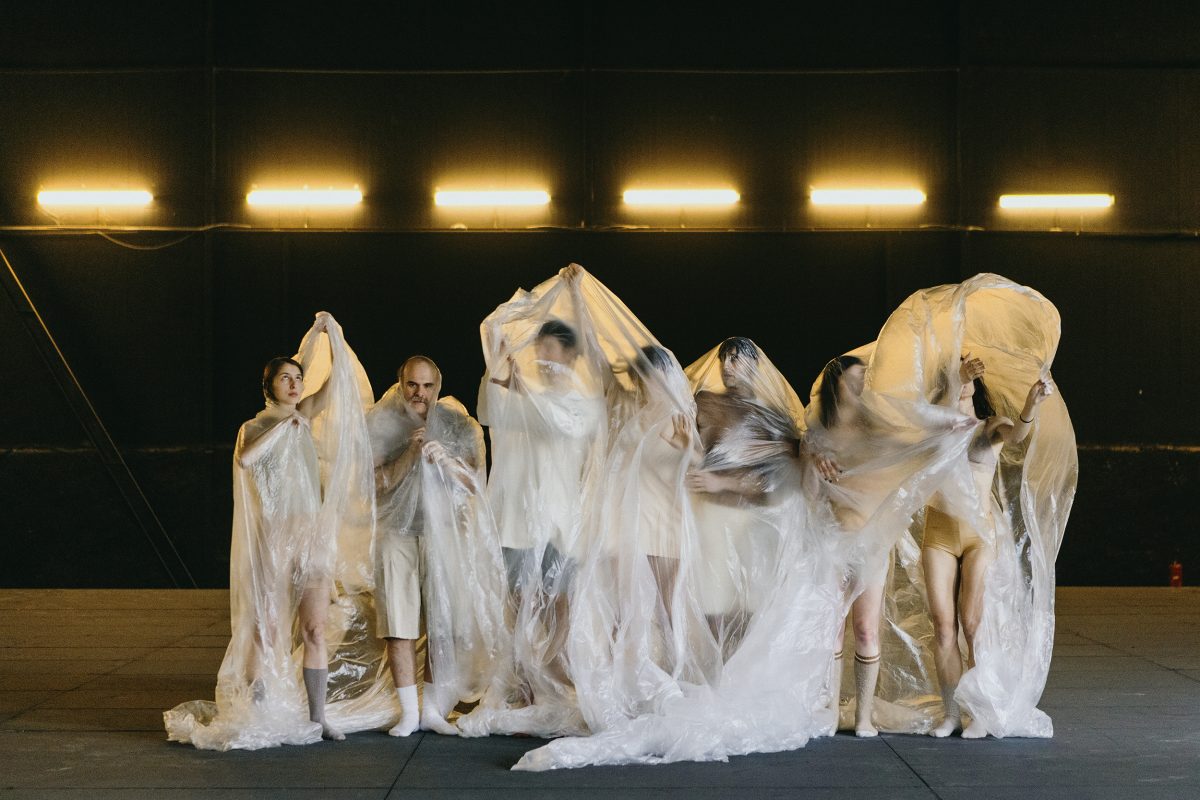
© Akis Christou
MONDAY 08/06: How I Dwell at Peiraios 260
A moving portrait of home, memory and displacement
An eviction notice becomes the catalyst for a deeply emotional exploration of what “home” truly means. When an elderly man is forced to leave the house that has contained an entire lifetime of memories, everyday objects and forgotten moments begin to resurface, transforming the stage into a landscape of remembrance.
Drawing inspiration from The Cherry Orchard and contemporary stories emerging from the global housing crisis, How I Dwell examines the devastating consequences of losing one’s home. Documentary material, news reports, literature and personal testimony intertwine to create a work that moves between reality and fiction.
More than a physical structure, the house becomes a symbol of identity, belonging and personal history. Through poetic imagery and intimate storytelling, the production invites audiences to reflect on the spaces that shape our lives and the emotional roots we leave behind when those spaces disappear.
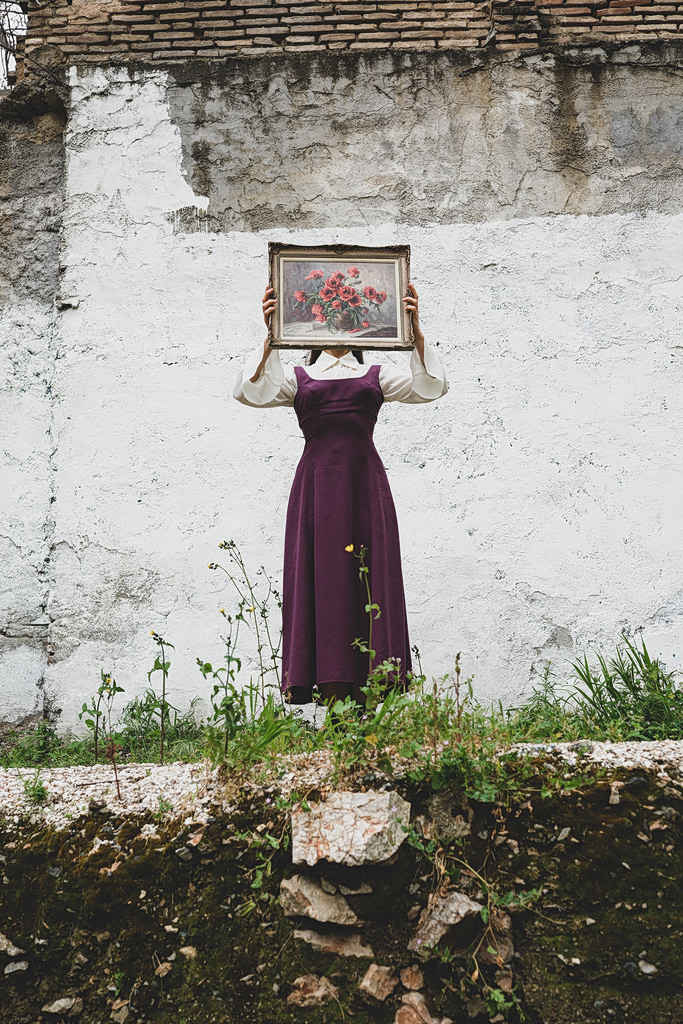
© Akis Christou
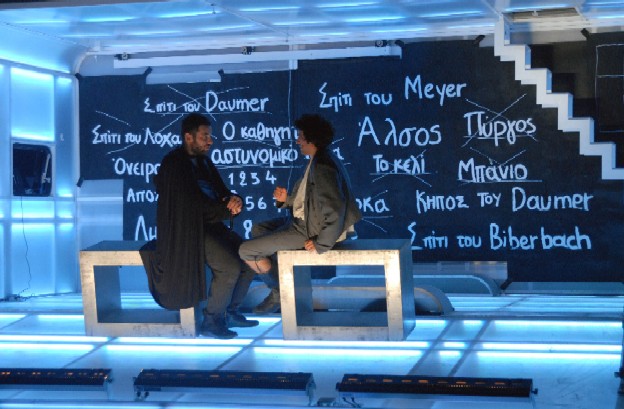
TUESDAY 09/06: The Tunnel at Peiraios 260
An unsettling allegory about modern life in perpetual motion
Based on the celebrated short story by Friedrich Dürrenmatt, The Tunnel begins with a simple premise: a student boards a train as he does every day, only to discover that it has entered a tunnel with no apparent end.
As darkness stretches on indefinitely, the young man’s anxiety grows. Yet the other passengers remain strangely indifferent. From this deceptively simple scenario emerges a powerful allegory about contemporary society’s inability—or unwillingness—to confront looming crises.
The adaptation uses Dürrenmatt’s surreal and existential narrative to explore themes of social inertia, routine, denial and blind faith in authority. At a time when accelerating technological, political and environmental upheavals dominate daily life, the production asks whether constant motion has become a way of avoiding reality. Darkly humorous, philosophical and deeply relevant, it offers a timely reflection on collective complacency.
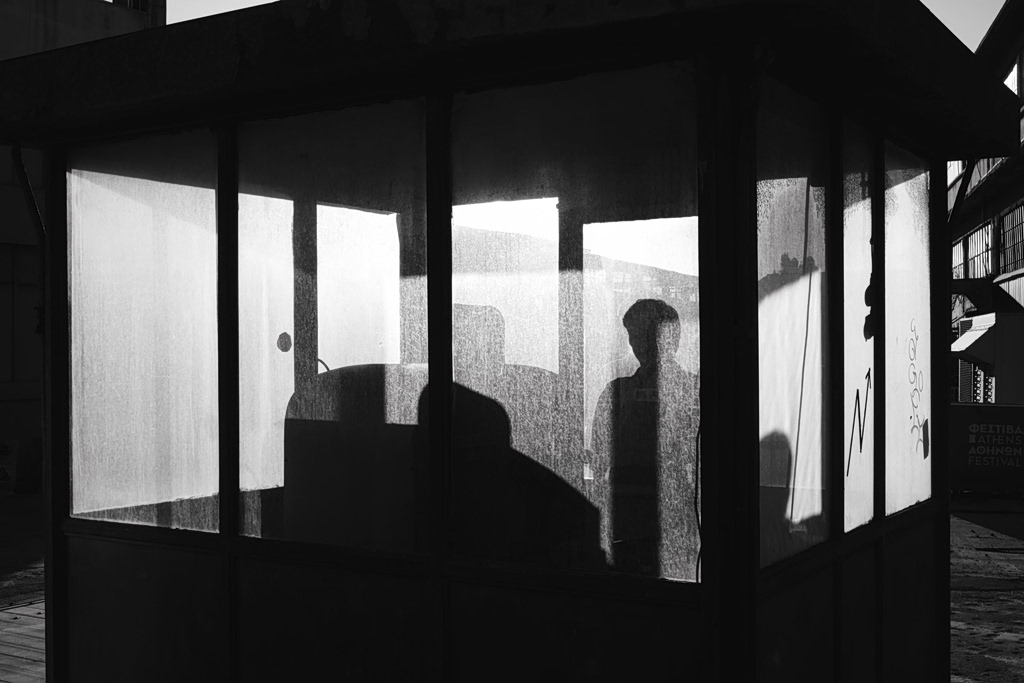
© Akis Christou
WEDNESDAY 10/06: The Wolves’ Tale at Peiraios 260
A haunting family saga that confronts the legacy of violence
Drawing on real-life memories, folklore, Greek tragedy and modern drama, The Wolves’ Tale by Dimitris Tsikouras is a deeply personal work about inheritance, trauma and the possibility of breaking cycles of violence.
At its centre is the life story of a woman from Thessaly whose long and difficult journey begins with an ominous family legend: on the day she was born, nine or ten wolves crossed the snow outside her home. In the logic of fairy tales, each wolf seems to foretell one of the hardships she will later endure. Yet this is no conventional fable. The production combines the true story of a woman who lived from 1928 to 2017 with family memories, dreams, the scars of the Greek Civil War and echoes of works ranging from the traditional ballad The Dead Brother to Hamletmachine and Electra.
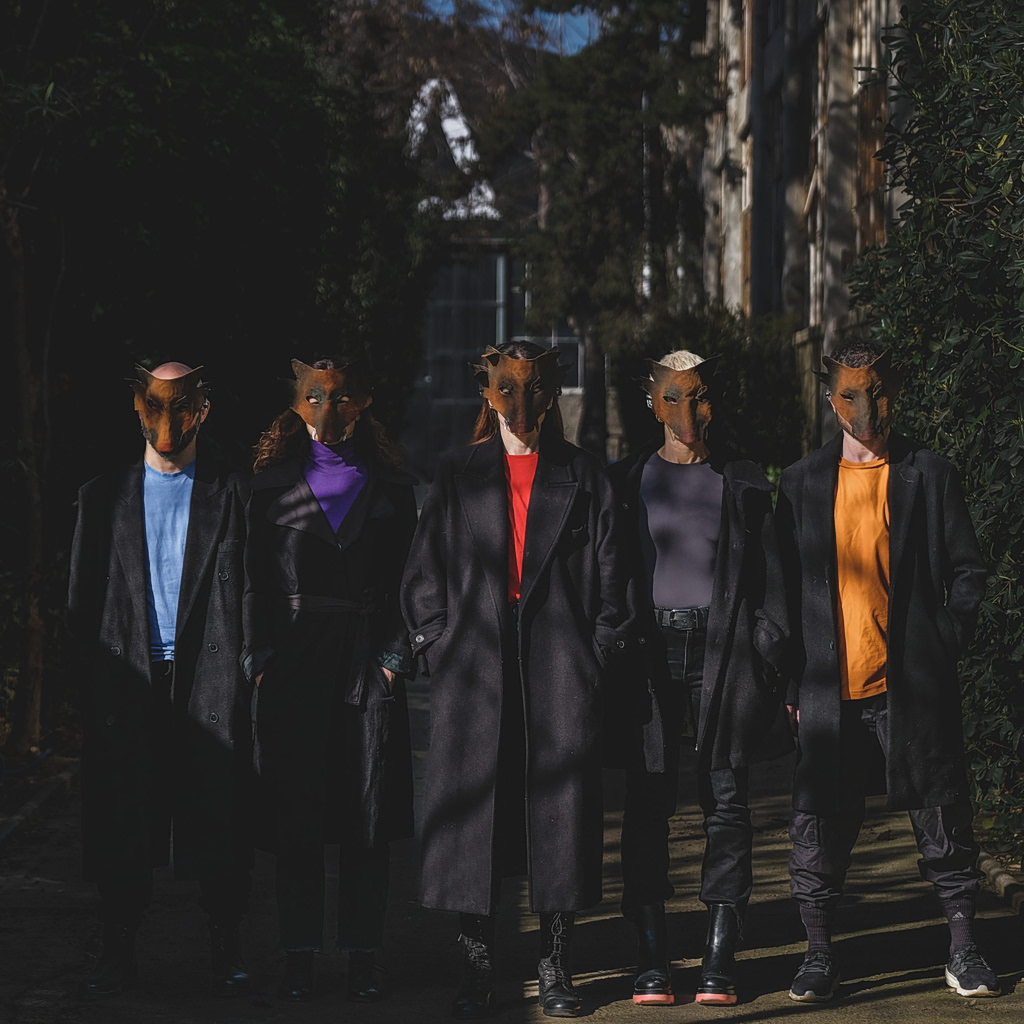
Performed by a chorus of five figures, the production uses music, movement, wolf masks and symbolic objects to create a theatrical world where myth and reality intertwine. Beneath its fairy-tale surface lies a profound exploration of domestic violence as a consequence of wider political and historical violence.
At once dark, poetic and ultimately compassionate, The Wolves’ Tale asks whether human beings can escape the burdens they inherit and whether it is possible to end the transmission of violence from one generation to the next. The result is an evocative portrait of twentieth-century rural Greece and a moving tribute to the resilience of women who endured its upheavals.
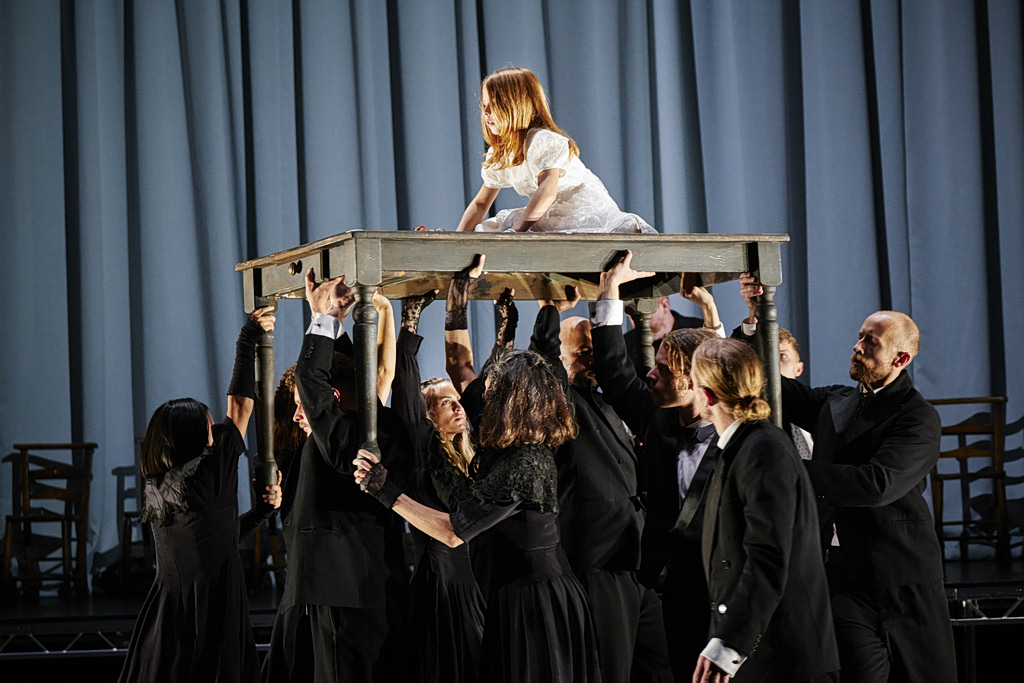
Photo by Ros Kavanagh
THURSDAY 11/06: MÁM for the first time in Greece at Peiraios 260
A spellbinding dance ritual rooted in the landscapes and myths of Ireland
Marking their Greek premiere, MÁM is the acclaimed dance-theatre work by Irish choreographer Michael Keegan-Dolan and his company Teaċ Daṁsa. The title comes from the Irish language and carries a double meaning: a mountain pass and an obligation—a journey that must be undertaken, whether chosen or not.
Inspired by the rugged landscapes and folklore of Ireland’s west coast, the production unfolds as a powerful communal experience. Twelve dancers from around the world create an ever-shifting network of relationships, transforming the stage into a space of ritual, celebration and human connection. What begins as a nightmare evolves into a ceremony, then into an ecstatic gathering where movement, music and collective energy blur the boundaries between performers and audience.
Central to the work is the idea of connection: the shrinking of the space “between” people. As dancers whirl, embrace and move together in waves of rhythmic intensity, the stage becomes a place of shared breath and belonging. Traditional Irish music performed by virtuoso accordion player Cormac Begley merges with the contemporary sounds of s t a r g a z e, creating a rich sonic landscape that is both ancient and modern.
Nominated for the 2020 Olivier Award for Best New Dance Production, MÁM has been described as “90 minutes of ritualistic ecstasy”—an immersive and emotionally charged journey into community, landscape and the transformative power of performance.
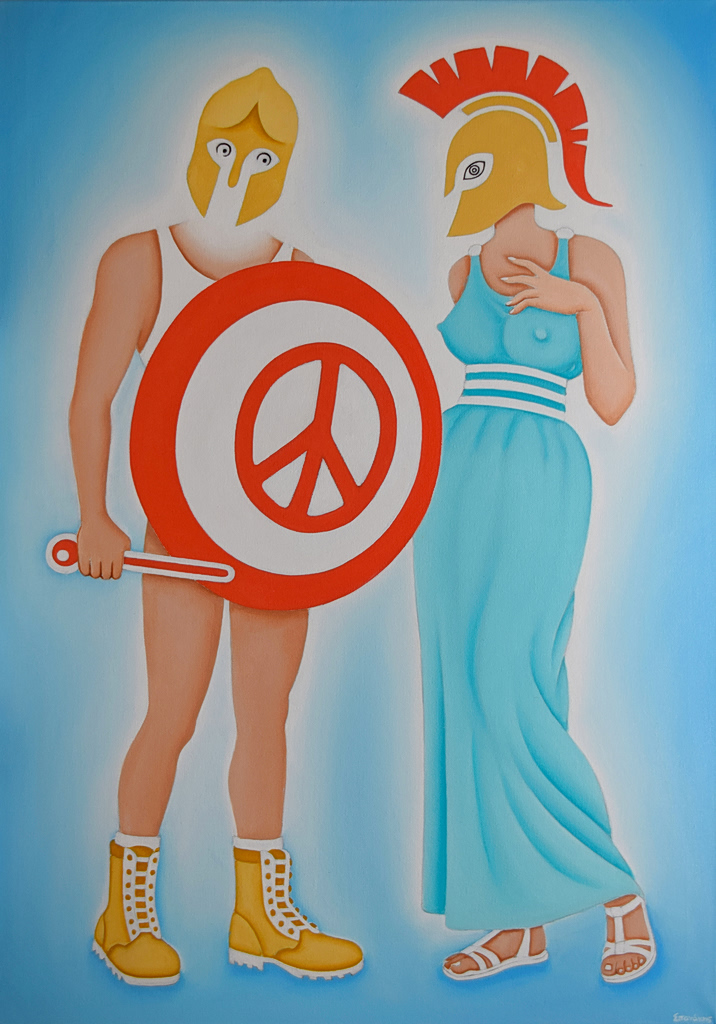
FRIDAY 12/06: Lysistrata at Odeon of Herodes Atticus
Aristophanes’ anti-war classic reimagined as a riotous musical spectacle
Composer and performer Stamatis Kraounakis transforms Lysistrata into a lively operatic production that combines sharp political satire with exuberant music and visual flair.
Written in 411 BCE during the Peloponnesian War, Aristophanes’ comedy follows the famous heroine who persuades women from across Greece to withhold sex and seize control of the Acropolis in order to force men to end the war. Beneath its comic premise lies a radical challenge to militarism, political dysfunction and male power.
Kraounakis’ adaptation blends operetta, cabaret, folk traditions and lyrical composition into a richly theatrical experience. A large ensemble of performers and musicians brings the story to life, while acclaimed designer Takis contributes a striking contemporary visual aesthetic. The cast also features celebrated singer Dimitra Galani as the goddess Athena.
Expect a vibrant, irreverent and musically inventive take on one of the ancient world’s most enduring political comedies.
SATURDAY 13/06: Theatre in a Caravan at Peiraios 260
The festival’s beloved travelling stage returns
Part performance venue, part public artwork, Caravan revives one of the Athens Epidaurus Festival’s most distinctive initiatives.
Conceived by actress and director Olia Lazaridou and designed by artist Socratis Socratous, the mobile plexiglass stage first appeared in 2008, hosting productions inspired by La Strada by Federico Fellini before travelling through Athens neighbourhoods and beyond.
Created to bring festival performances directly into communities that might not normally attend cultural events, the project became a symbol of artistic outreach and accessibility. After years out of use, the Caravan returns this summer at Piraeus 260, rekindling its original mission of taking art beyond traditional theatre walls and into public space.
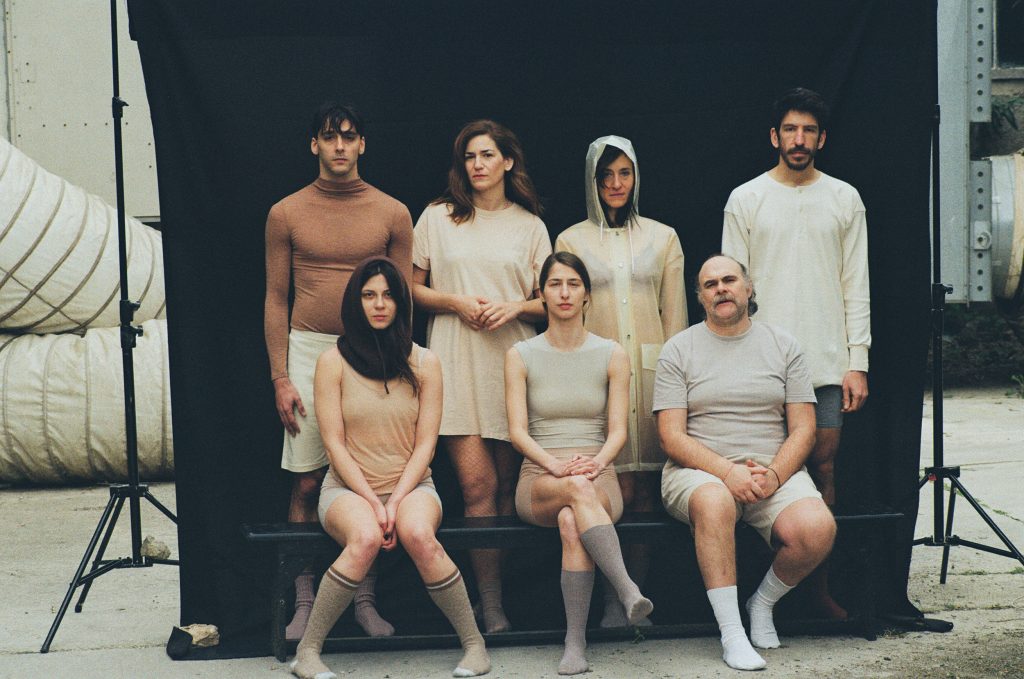
© Despina Spyrou
SUNDAY 14/06: Stores at Peiraios 260
A witty and poignant portrait of consumer society
What happens when a department store becomes a stage for the hopes, disappointments and anxieties of modern life?
In Stores, director and writer Giorgos Valais turns an ordinary clothing retailer into a theatrical microcosm. Customers browse, queue, try on outfits, chat, sing and dream, while their seemingly mundane actions gradually reveal deeper longings and frustrations.
The production blends realism with musical theatre, satire and surrealism. Songs interrupt everyday conversations, exposing the desires hidden beneath consumer culture and exploring how products have become intertwined with personal identity. Every garment promises transformation; every purchase suggests the possibility of a different future.
Drawing inspiration from Charlie Chaplin’s observation that comedy is tragedy viewed from a distance, the show balances humour and melancholy as it examines loneliness, aspiration and the search for meaning in the twenty-first century. The result is an inventive ensemble work that finds unexpected drama—and tenderness—in the rituals of shopping.