As Greece enters the new year, its cultural institutions are preparing a series of exhibitions that speak both to the country’s deep historical roots and its vibrant contemporary art scene. For visitors, and longtime residents alike eager to keep pace with the latest cultural offerings, the months ahead promise a rich and varied program across Athens, Thessaloniki, and beyond: from 3,500-year-old warriors to a glossy, towering fluorescent orange Aphrodite and from rare works arriving in Greece for the first time to thought provoking, politically charged conceptual work.
National Gallery of Greece
Within the first half of the year, the museum’s third floor is expected to open, presenting a reinstallation of 20th- and 21st-century works from the permanent collection. In spring, a major temporary exhibition will follow. Originally scheduled for last November, the exhibition brings together approximately 250 artworks and archival objects from the legendary Kostakis Collection of MOMus – Museum of Modern Art.
National Archaeological Museum
Among the highlights of the spring season is the exhibition: «Princes of Pylos: Treasures of the Bronze Age from Messinia». It is centered on the spectacular finds from the remarkable “Griffin Warrior” tomb. Discovered intact and dating to around 1450 B.C., the grave belongs to a man aged 30–35 and is considered the richest prehistoric burial found on mainland Greece in the past 75 years, with more than 1,400 artifacts unearthed in the excavation.
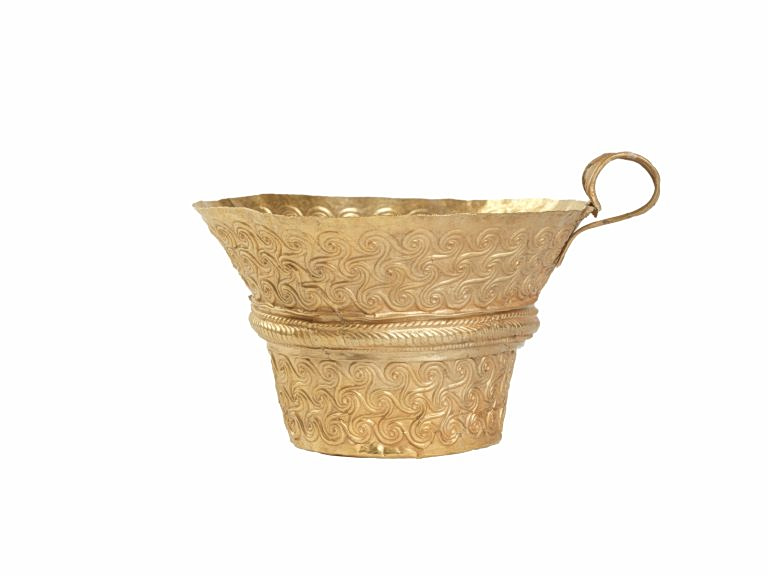
This spring the exhibition will come to Athens, after a run at the Archaeological Museum of Messinia and the Getty Villa Museum in California. It includes bronze weapons and vessels, gold and silver cups, and remains of a bronze suit of armor, that will be displayed alongside artifacts from other Mycenaean tombs in Messenia and objects from the museum’s collections. (March 1–June 30).
Museum of Cycladic Art
A jolt of fluorescent orange and deep prehistory arrives at the Stathatos Mansion with the Greek debut of Jeff Koons’ 2.5-meter-tall Aphrodite named Balloon Venus Lespugue (Orange) (2013–2019). Inspired by the 28,000-year-old Paleolithic Venus of Lespugue, which is a mammoth-ivory figure long associated with fertility and survival, the sculpture belongs to Koons’ Antiquity series. The work will be shown alongside ten Upper Paleolithic “Venus” figurines, including a replica of the Lespugue original, reframing one of humanity’s earliest visual languages through the hyper-material lens of the 21st century (March 19–Aug. 31).
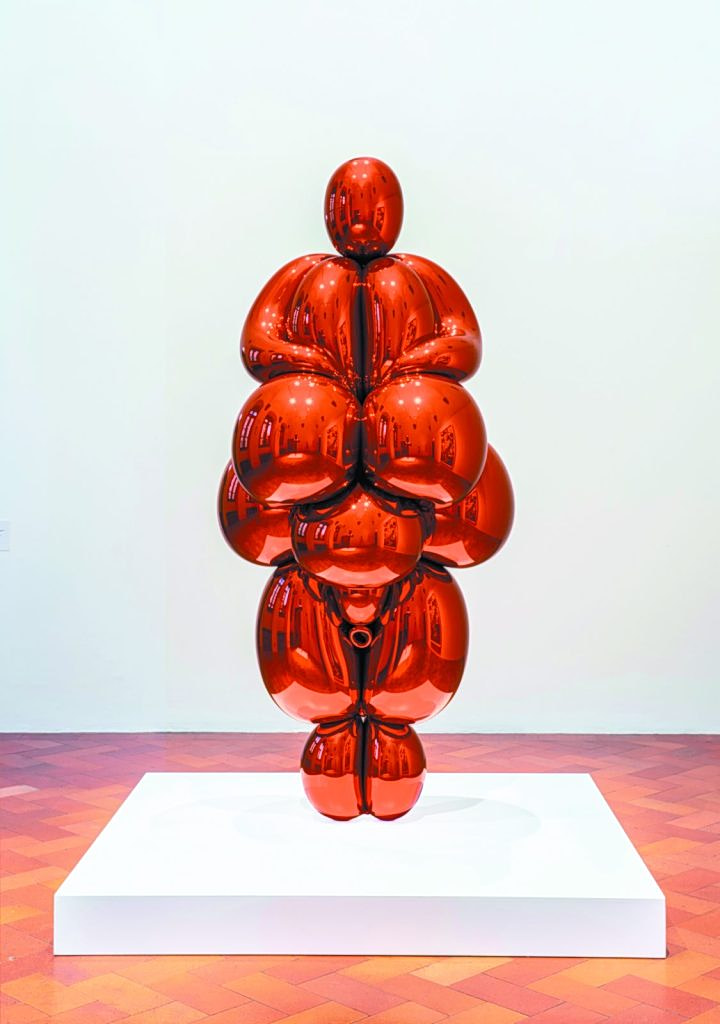
Jeff Koons, “Balloon Venus Lespugue (Orange)”.
Stavros Niarchos Foundation Cultural Center
For the first time in Greece, American artist Barbara Kruger presents a solo exhibition. Now 80, Kruger is known for her sharp, politically charged conceptual work. Her exhibition Untitled (Pride and Contempt) features 13 brand-new pieces created specifically for the center’s outdoor spaces, transforming the public landscape into a site of visual and ideological confrontation (from April).
Thessaloniki Biennale
Titled Everything Must Change | Radical Intelligence. Thessaloniki 9, the ninth edition of the biennale promises to be the largest exhibition ever staged by MOMus, according to curator Nadja Argyropoulou. While participating artists have yet to be announced, the exhibition will extend beyond the traditional grounds of the Thessaloniki International Fair to include the Kalochori Lagoon. The biennale runs from May through July.
Old Acropolis Museum
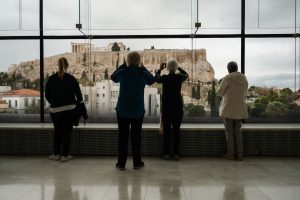
Brick -as a building material and a carrier of memory, and clay form the core of the final chapter in the trilogy “Michael Rakowitz and Ancient Civilizations”, a collaboration between Greece’s Ministry of Culture and the NEON organization. Iraqi American artist Michael Rakowitz will become the first to present a contemporary art installation inside the Old Acropolis museum, which reopens after 18 years. The exhibition will run between May and December.
Earlier in May, the museum will inaugurate its first archaeological temporary exhibition, titled “Athens, the Immortal City”, which will run for two years and will feature 1,185 antiquities.
Benaki Museum
Continuing its tradition of major anniversary exhibitions, the Benaki Museum marks 200 years since the Exodus from Missolonghi, one of the defining episodes of the Greek War of Independence. Paintings, drawings, prints, books, and objects, many rarely shown, trace the enduring significance of the heroic escape of the besieged city in the struggle for freedom (Feb. 18–May 3).
Gennadius Library
Celebrating its 100th anniversary, one of Greece’s most important research libraries selects 100 items, ranging from books and manuscripts to costumes, maps, and rare archival treasures, to tell the story of its remarkable history (April–July).
Xenokrateio Archaeological Museum
For the first time, Eugène Delacroix’s iconic painting “Greece on the ruins of Missolonghi” will travel to Greece from the Museum of Fine Arts in Bordeaux. The work will anchor the exhibition “The Exodus of Missolonghi on Delacroix’s Canvas”, the centerpiece of the bicentennial commemorations of the historic event (March–November).
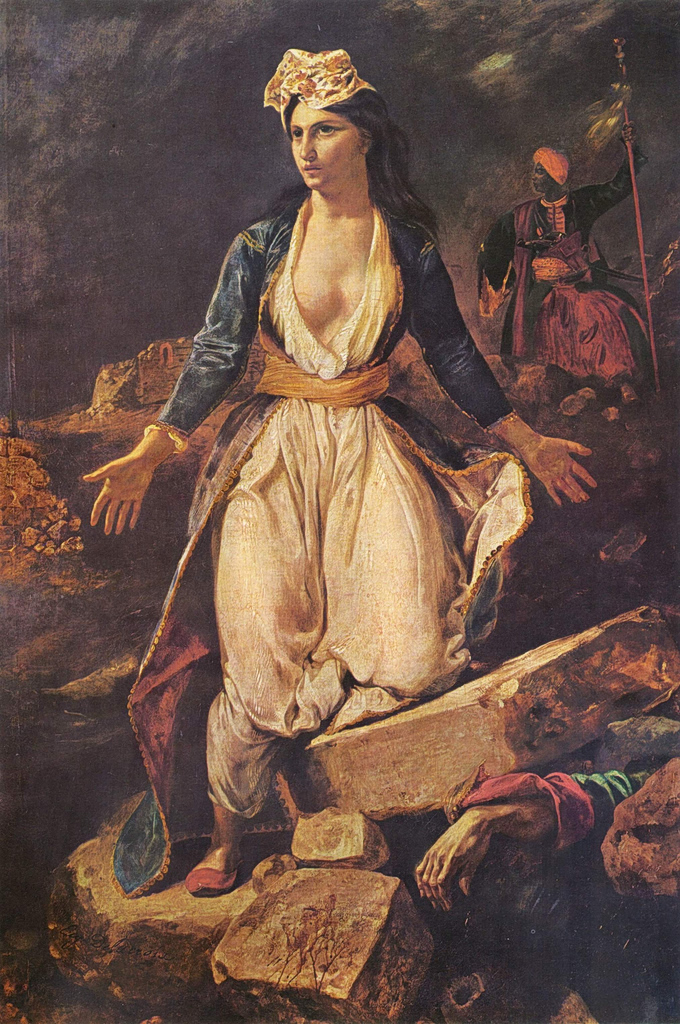
Eugène Delacroix, Greece on the Ruins of Missolonghi (1827, Musée des Beaux-Arts, Bordeaux)