 Μake us preferred on Google
 In less than a month, investor interest in Greek energy assets surged. More than 23 billion euros from large international funds flowed toward major domestic business groups operating in the sector. Funds including BlackRock, Capital, Covalis, QIA and K Group rushed to take positions in Greek energy companies. Behind much of the activity sits a common thread: the American factor. The reason lies less in the profits Greek energy can generate at home than in the opportunities across Central, Eastern and Southeastern Europe. At a time when geopolitical influence through energy has become the most lucrative premium of all, Greece, with its US-friendly government, has tried to position itself as a transit hub for US LNG once Russian gas imports are completely phased out.
The capital raises that drew 23 billion euros
Three transactions illustrate the scale of demand. The share capital increase of PPC, Greece’s main power utility, attracted 18 billion euros when the listed company was seeking 4.5 billion. The capital increase of IPTO, the country’s electricity grid operator, is said to have drawn 3.5 billion euros against a target of 530 million. Motor Oil‘s 400 million euro bond issue pulled in offers of around 1.5 billion.
Motor Oil’s appeal rested partly on its role in the region’s energy security. During the Middle East conflict, its Corinth refinery moved quickly to cover demand for petroleum products across much of the European market. The closing of the Strait of Hormuz led the company to halt crude supplies from Gulf countries, replacing Iraqi and other regional crude with sources including Norway and the United States. The international investment community effectively rewarded that adaptability when the bond drew 1.5 billion euros in offers.
The common denominator
Behind the funds and the energy companies scrambling for positions in Greek listings or in projects on Greek soil sits the United States. The largest funds that entered the PPC and IPTO raises, among them BlackRock and Capital, are American in origin.
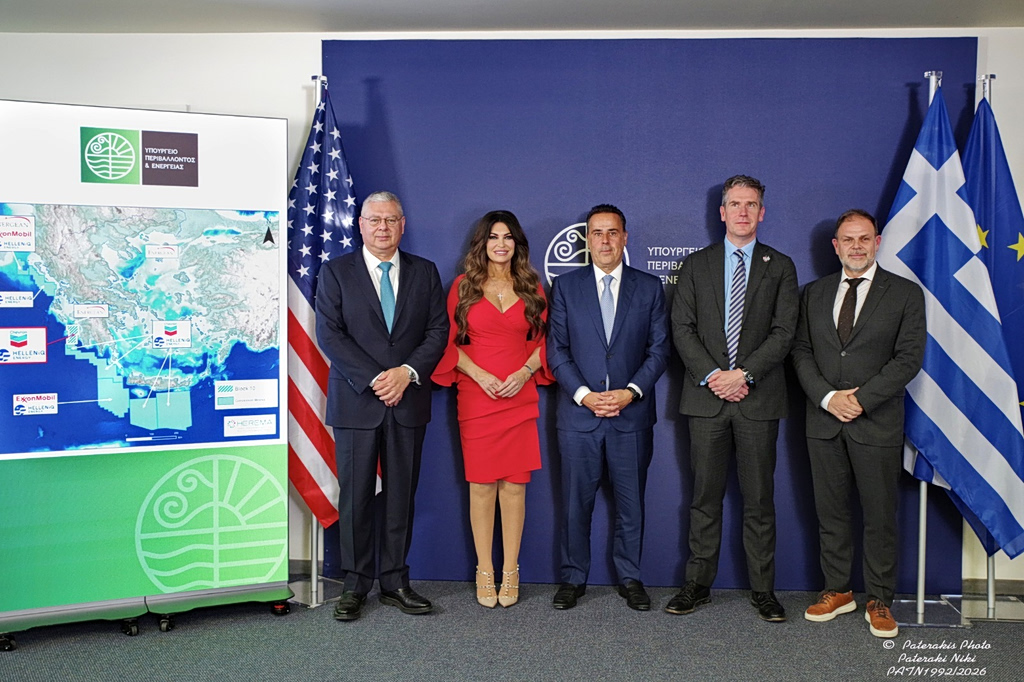
The same thread runs through the deals themselves. American oil majors Chevron and ExxonMobil have moved in alongside Greek firms HELLENiQ Energy and Energean, betting on gas discoveries in the Ionian Sea.
Separately, Aktor entered the LNG business and within a year signed deals to carry gas across the Balkans and Eastern Europe, including agreements for the Vertical Corridor, a planned route to move gas northward through the region.
The picture suggests the American presence is being built in Greece with an eye on the wider region. Just days ago, the US Senate Foreign Relations Committee approved the “Eastern Mediterranean Gateway Act,” promoted by President Donald Trump, which effectively designates four countries as strategic partners in the region: Greece, Cyprus, Israel and Egypt.
The investment story the funds bought
International and domestic financial houses backed the PPC and IPTO raises on the strength of the investment narrative the companies presented. Major American houses scrutinized the two groups’ plans at investor roadshows, examining PPC’s 24 billion euro investment program and IPTO’s 6 billion euro plan for interconnections and energy infrastructure through 2030.
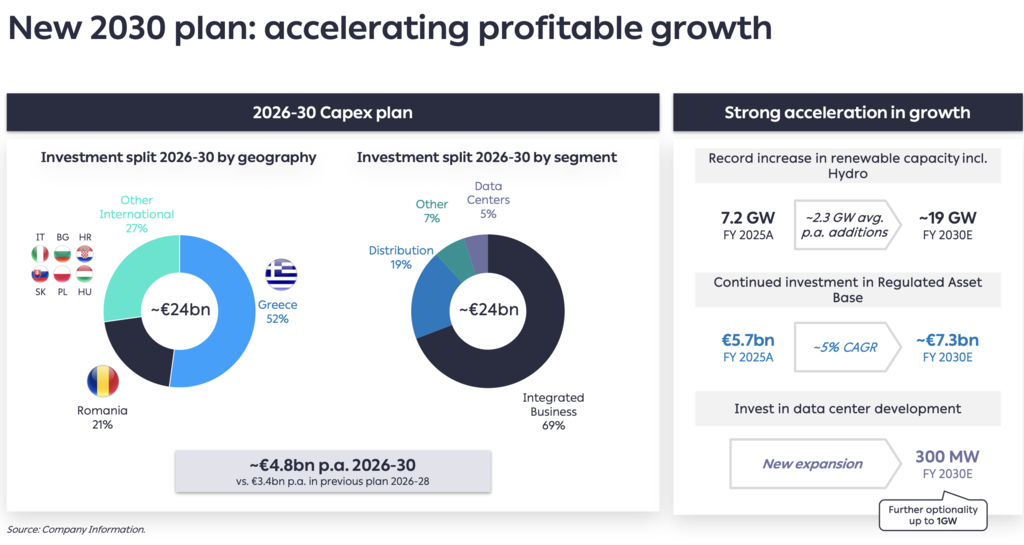
The opportunities identified in the strategic plans of the three Greek business groups rest on several factors. From 2027, Russian gas imports will gradually be banned, leaving the Balkans and Eastern Europe needing an estimated 30 billion cubic meters; the Vertical Corridor is presented as an alternative supply source. Limited energy supply across Eastern Europe, from Bulgaria to Poland, strengthens investment returns. The decommissioning of thermal power units totaling 69 GW of installed capacity by 2035 creates room for large-scale alternative generation. A lack of interconnections with central Europe will keep wholesale prices higher. Ukraine has shifted from an energy exporter to an importer, adding to demand. And demand across the region is rising on stronger GDP growth than in Western Europe, onshoring policies, increasing electrification, new data centers and EU-funded investment.
The role of Papastavrou
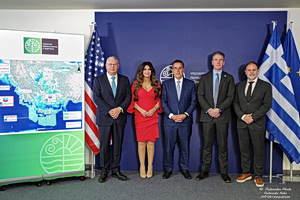
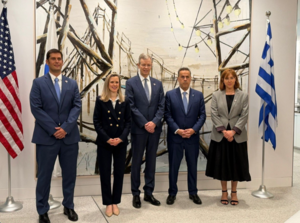
Greece has lobbied the Trump administration and the US oil majors hard to secure their presence in the country, and Environment and Energy Minister Stavros Papastavrou has spearheaded the partnership over the past year. Since 2025, he has traveled repeatedly to Washington and to Houston, the heart of America’s big oil industry, building a diplomatic relationship with Trump officials Doug Burgum and Chris Wright. Both have reciprocated with visits to Athens.
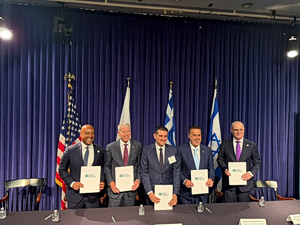
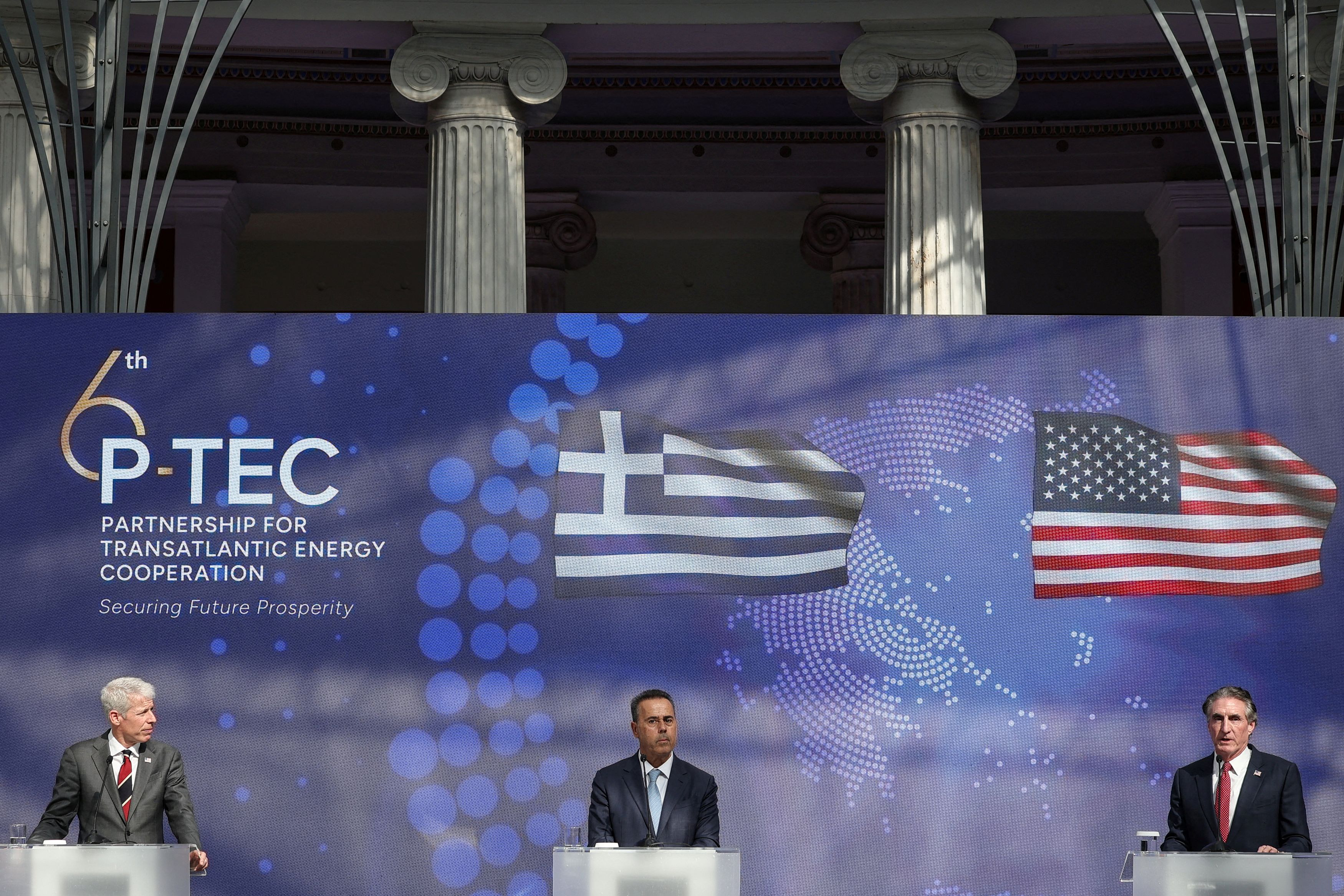
The relationship was cemented last November in Athens, during P-TEC, with business agreements on LNG and the entry of Chevron and ExxonMobil into Greek offshore exploration.