 Μake us preferred on Google
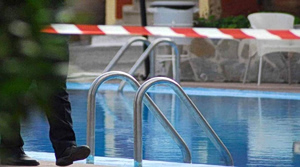
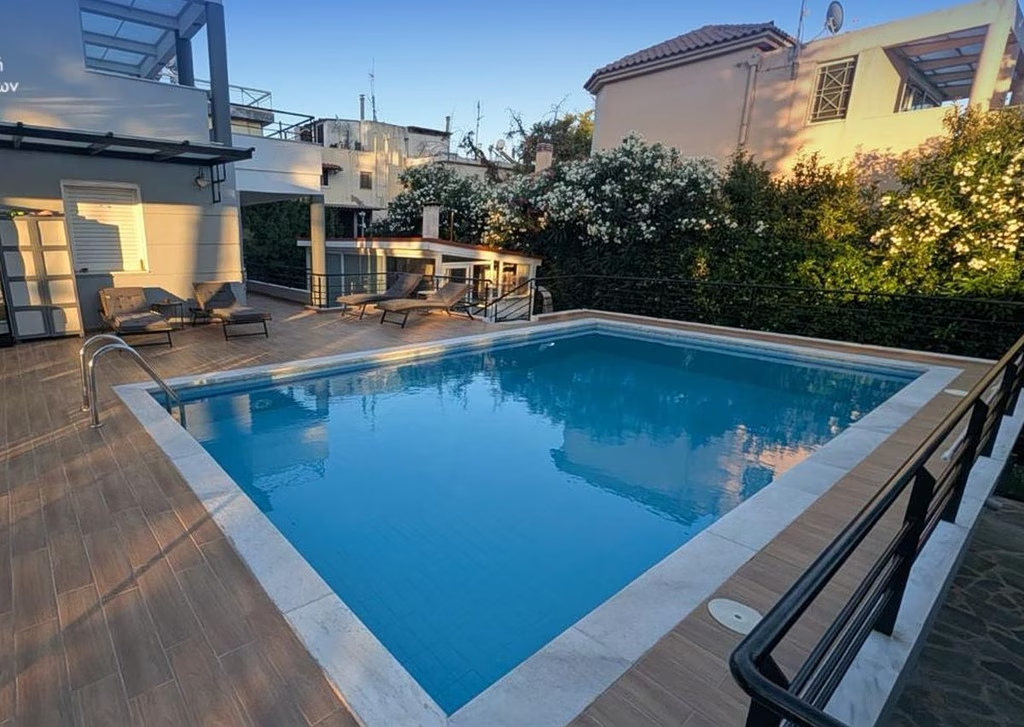
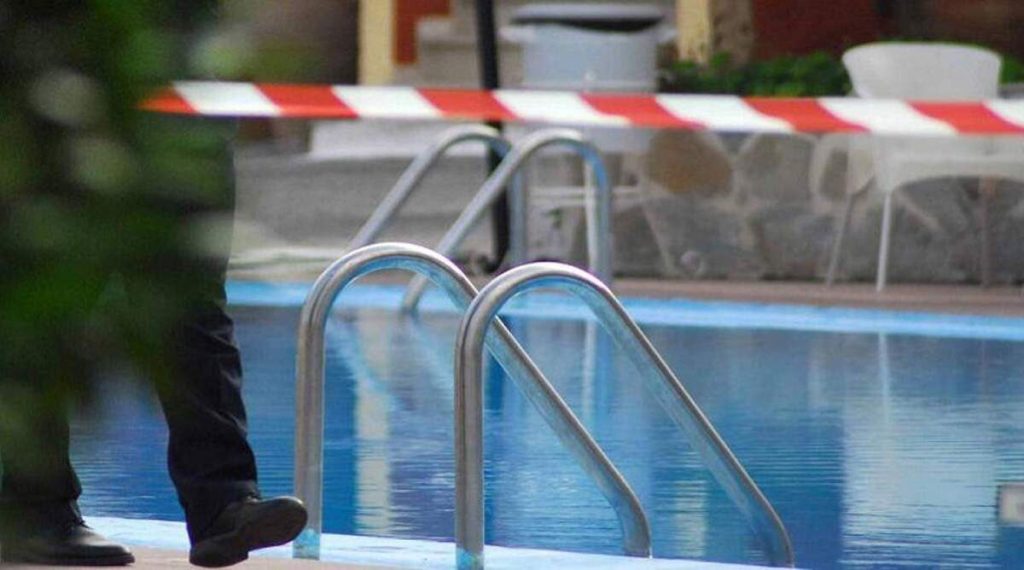
 The death of a 4-year-old boy who drowned in a swimming pool at a beach bar on the Greek island of Paros has prompted an investigation into the circumstances of the tragedy and renewed questions over safety measures and lifeguard requirements.
The child, who reportedly slipped out of his parents’ sight, was found unconscious in the pool. Attempts to resuscitate him were unsuccessful.
The case has also brought renewed attention to the importance of immediate intervention in drowning incidents, particularly involving young children.
Questions over lifeguard coverage
George Kalliaκmanis said responsibility also lies with those caring for the child, while stressing the importance of having a lifeguard present.
He questioned whether the 69-year-old man identified as the lifeguard could perform the job effectively, but said parents and other caregivers must also maintain constant supervision of a 4-year-old child.
“No environment is protected for a 4-year-old child,” he said, while adding that the owner of the business should also be held responsible for ensuring that a lifeguard was present at the pool.
He said that businesses operating pools, including beach bars, hotels and other accommodation facilities, are required to have a lifeguard.
Another expert, Giovanidis, said there is an ambiguity in the legislation concerning beach bars because they fall under older regulations.
“There is a gap in the legislation,” he said, arguing that the issue of whether a lifeguard must be present at such facilities has not been clearly resolved.
He also stressed that child drowning is a silent process and that parents must continuously supervise children.
“The lifeguard must be 100% present in every business. Parents must 100% watch their children,” he said, emphasizing that children cannot be left unsupervised even for a moment.
Owner’s lawyer cites 27 years without an incident
Speaking to Greek television station MEGA, Haris Ambrazis, the lawyer representing the beach bar’s owner, said the business had operated continuously under the same owner for 27 years without a similar incident.
He said the pool had been declared and that the owner himself had registered as a lifeguard. According to Ambrazis, the owner was at the pool area and was regularly present there.
Ambrazis also pointed to signs at the pool stating that children under 13 are prohibited from using it.
“All the documents will be submitted and the issue of age will be assessed,” he said, adding that authorities would also determine whether a lifeguard or supervisor was required.
He urged caution until the details of the case were clarified.
First minutes can be critical
Forensic pathologist Grigoris Leon said the mechanism of drowning takes several minutes and that having trained personnel present can serve two purposes: preventing an incident and providing immediate first aid.
In the case of a child falling into a pool, he said, the priority is to detect the incident quickly and provide first aid.
He explained that effective first aid during the first two or three minutes after an incident can sometimes allow a person to recover.
“If the person remains in the pool for a longer period, for example five minutes,” he said, the lack of oxygen can cause irreversible damage, with the brain being the first organ affected.