
 Μake us preferred on Google
 Nearly two weeks into the conflict in the Middle East, the first signs of disruption are beginning to appear in the Greek market.
The development was largely inevitable, given the strategic importance of the region where tensions between the United States and Iran are unfolding—an area critical to the global energy system and key trade routes.
According to well-informed sources, the first shortages are already emerging in certain packaging materials, while some production units are facing disruptions as they struggle to secure essential raw materials. “One facility has already cited a lack of raw material as the reason it cannot produce—something that until yesterday seemed unthinkable,” sources say, noting that such cases remain limited for now despite the concern they have caused.
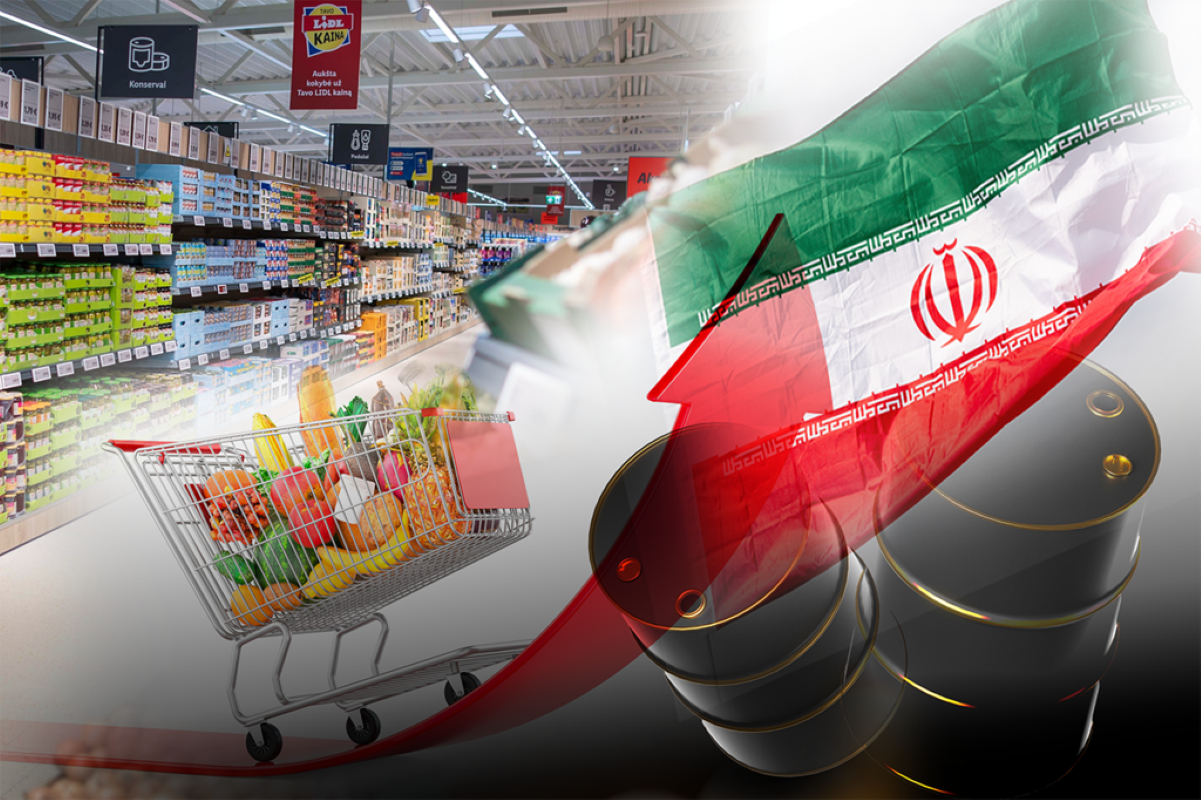
More visible, however, are the first waves of price increases spreading across the market.
In response, the government moved quickly to introduce emergency measures, reinstating a cap on profit margins—an instrument previously used during the 2022 energy crisis following Russia’s invasion of Ukraine. Market sources say some suppliers have already sent customers new price lists with increases of 20% to 30%, citing supply-chain disruptions and higher transportation costs.
The prevailing view is that inflationary pressures will gradually spread across several sectors of the economy. The European Union already estimates inflation could exceed 3% this year, a development that may weigh on growth in 2026.
Concern is also rising in the agricultural sector. Tensions in the Middle East are not only affecting oil and natural gas markets; disruptions are already spreading to fertilizers, raising fears that—with a delay of several months—they could impact grain production and eventually food prices.
Exporters are also on alert, closely monitoring developments in the region. “The ongoing military conflicts in the Middle East are creating heightened uncertainty for international trade and inevitably affect Greek exports,” said the president of the Panhellenic Exporters Association, noting that the region has long been a key destination for Greek products, from food and construction materials to industrial goods and pharmaceuticals.