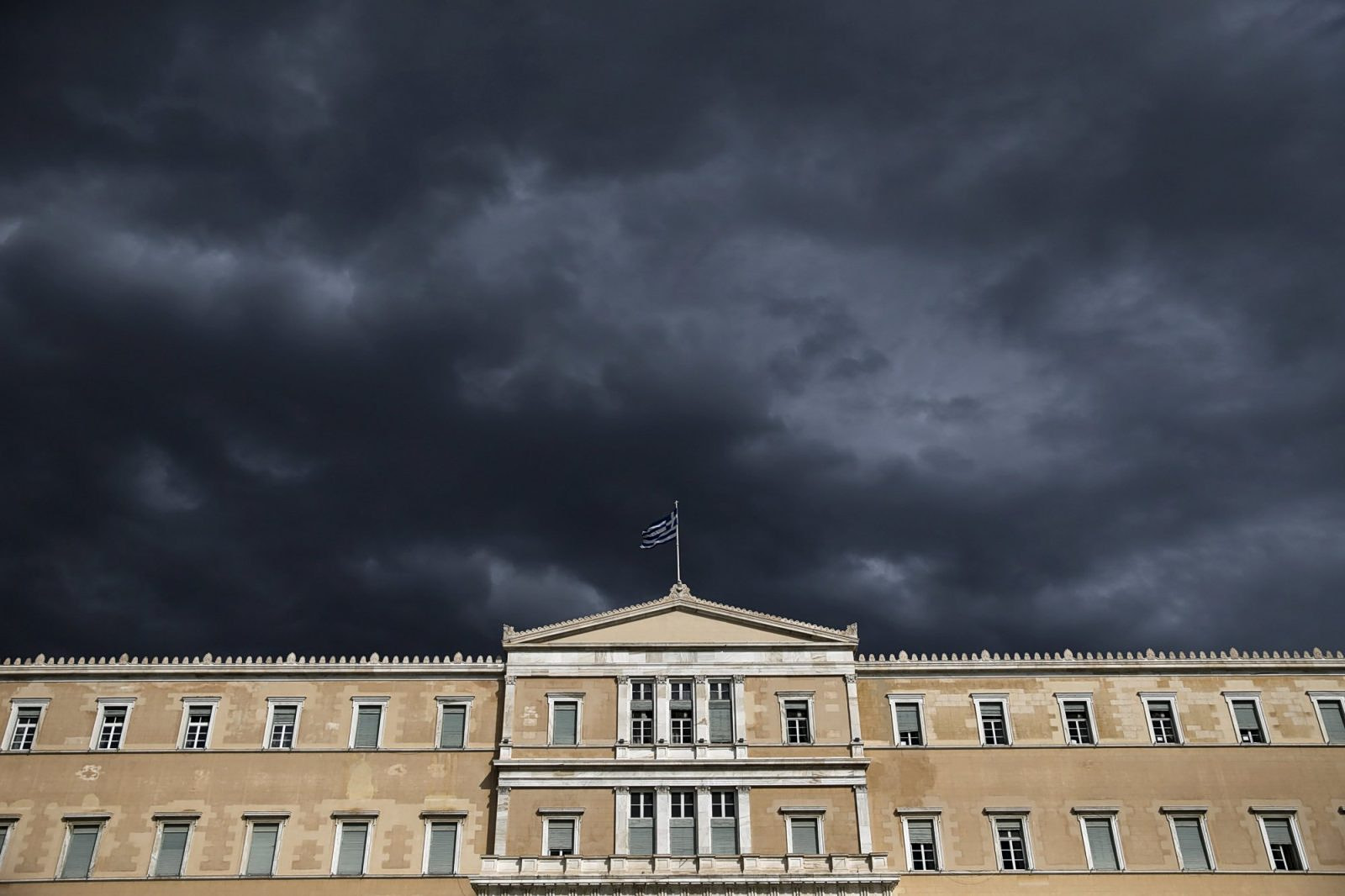
Citizens around the world seem to greet 2026 with less optimism and more caution, according to this year’s Gallup International End-of-Year Survey, the longest-running global public opinion study. The results reflect an international environment in transition, where geopolitical turbulence, economic uncertainty, and political developments in the United States heavily influence public expectations.
The first year of President Trump’s new administration has already left its mark on the global political climate. The sense of disruption of established balances, both in international politics and in trade and defense, fuels an atmosphere of uncertainty that permeates societies. Within this context, the survey examines three key questions: whether the new year is expected to be better or worse than the previous one, how the economy is anticipated to develop, and whether the world is moving toward more peace or more instability.
The answers, though subjective, serve as a reliable indicator of political and social climate. They reflect not only individual attitudes but also collective expectations that influence public discourse and, ultimately, the political agenda.
Optimism Declines Globally
Globally, the picture is mixed but clearly less positive than in previous years. 37% of citizens believe 2026 will be better than 2025, 25% foresee a worse year, and 31% expect little change. The Net Hope Index stands at +11, lower than last year, reflecting increased international uncertainty.
Western Europe stands out negatively. It is the region with the lowest expectations worldwide, as citizens appear more pessimistic than anywhere else. The sense that traditional alliances are being redefined, combined with the ongoing war in Ukraine and Russia’s aggressive stance, creates an environment where concern for the future outweighs hope.
Greece at the Center of Concern
Greece fully aligns with this Western European pattern of pessimism, showing even stronger concerns than the global average. The Greek sample records particularly negative assessments, especially regarding global peace. The country’s Net Index is -23%, placing Greece among the most worried nations worldwide.
This is unsurprising. Greek public opinion has traditionally been strongly influenced by international developments, while geographical proximity to unstable regions—from the Eastern Mediterranean to the Middle East—heightens the sense of insecurity. International crises are not perceived as distant but as potentially immediate threats.
Demographic Analysis
An analysis by respondents’ religion is revealing. Christians generally align with the overall average, showing no notable deviation. In contrast, Muslims and Hindus appear more optimistic, while atheists stand out for their more pessimistic outlook.
Economy: Distrust Persists
Economic expectations remain negative. Globally, 16% of citizens expect 2026 to be economically worse. In Western Europe, however, the index drops to -34%, the lowest worldwide. Economic insecurity appears deeply rooted, fueled by inflation, the cost of living, and social pressures.
In Greece, the picture is even more concerning. Only 14% of respondents believe 2026 will be economically better, while 56% anticipate deterioration. Despite relative macroeconomic stabilization and positive growth indicators in recent years, social perception remains fragile. High living costs, job insecurity, and the sense that international developments can easily disrupt balances contribute to a climate of heightened caution.
Global Peace: Fear of Escalation
The greatest concern relates to global peace. Internationally, only 24% believe 2026 will be more peaceful than 2025, while 40% foresee more conflicts and unrest. Again, Western Europe is the most pessimistic region: only 14% expect improvement, while the majority fear escalating instability.
Greeks record among the most negative assessments worldwide. Only 7% believe 2026 will be more peaceful, while 61% anticipate increased instability. This pessimism is closely linked to geopolitical developments and the sense that international balances are shifting in ways that do not favor stability.
A Difficult Start to 2026
Overall, 2026 begins with the international community facing heightened uncertainty. President Trump’s clearly revisionist agenda, both in trade and defense, exacerbates tensions in Europe and beyond, rekindling concerns over the course of international balances. Simultaneously, the ongoing war in Ukraine serves as a constant factor of instability, while geopolitical tensions on multiple fronts show no signs of easing.
For Greece, 2026 begins with even stronger pessimism. All three key indicators—optimism, economic expectations, and global peace—show results clearly worse than those of most European countries. Despite positive macroeconomic indicators and improved growth figures, social sentiment remains heavy. High living costs and constant exposure to domestic crises reinforce the sense of uncertainty. In this context, worry, more than hope, seems to shape how Greeks look toward the new year.
Antonis Papacostas holds a PhD in Informatics from France. He has worked at the European Commission, overseeing the Eurobarometer, European press analysis, and the Europe Direct networks. Today, he continues to analyze European public opinion and teaches in a master’s program at the University of the Aegean. He is a scientific collaborator at ELIAMEP.