 Μake us preferred on Google
 Greece is preparing to assume the presidency of the United Nations Security Council on October 1, for the second and final time during its two-year term as an elected, non-permanent member of the Council for 2025–26.
The Greek government has spent months preparing the agenda for its October presidency, identifying priorities and planning initiatives on key international issues. Final preparations were made during Greece’s participation in the high-level week of the 81st UN General Assembly in New York, where Greek officials held a series of meetings with counterparts from other Security Council members.
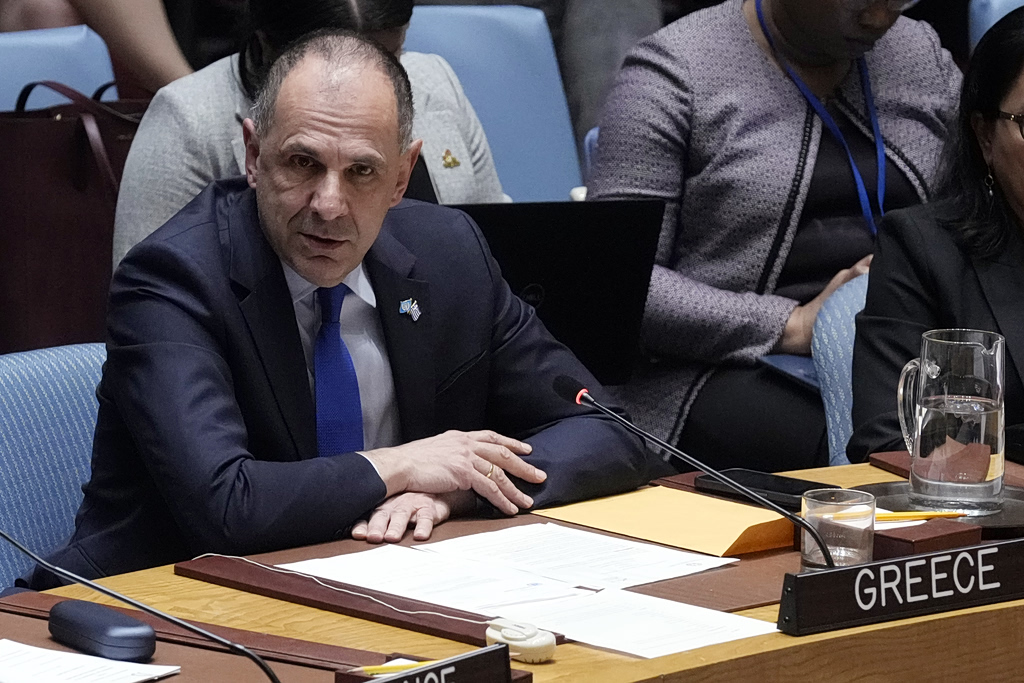
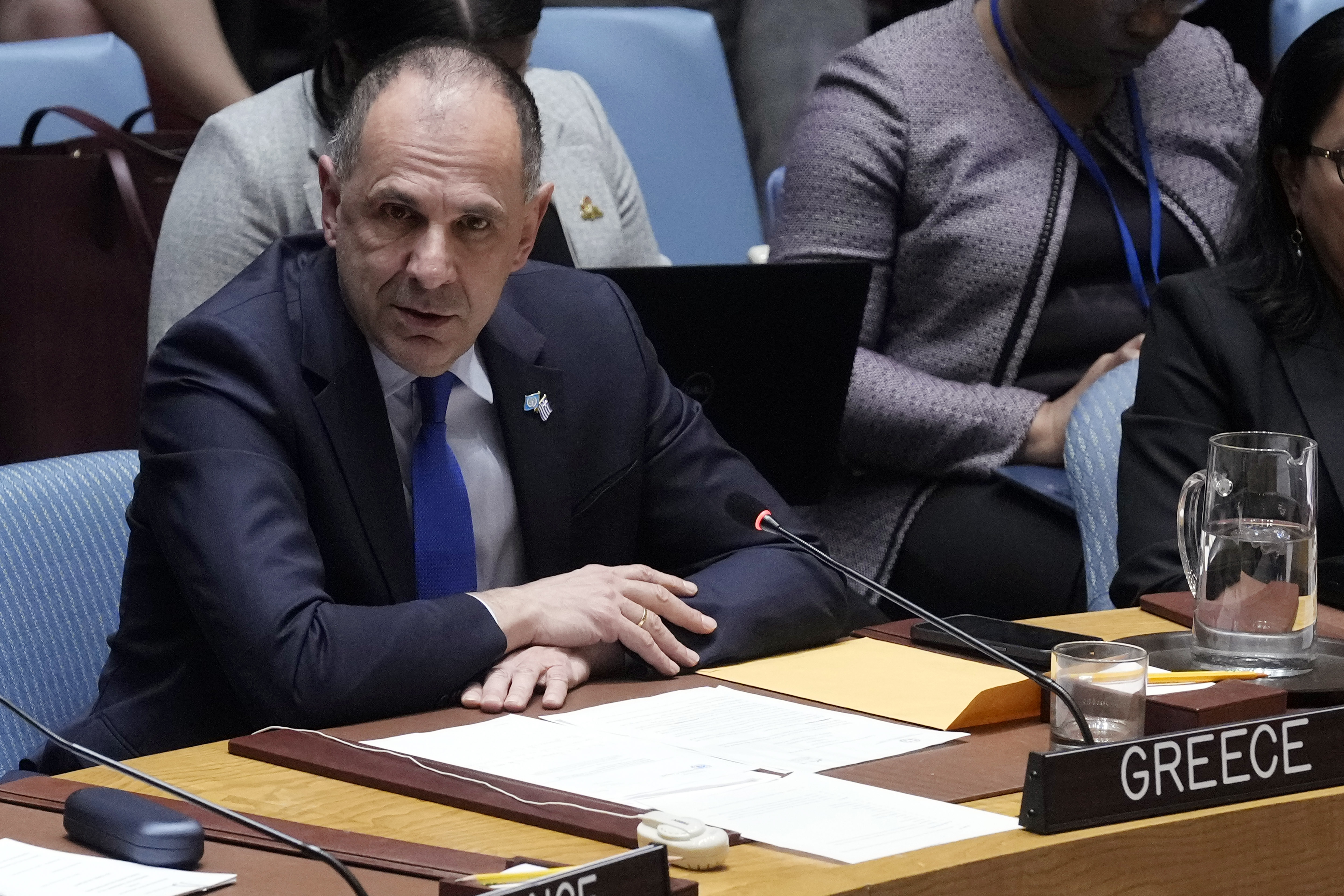
Foreign Minister George Gerapetritis has described the upcoming presidency as taking place at a particularly complex moment, with the Council facing multiple international crises while Greece seeks to highlight issues including freedom of navigation and the protection of women and children in armed conflicts.
Maritime security a key priority
Freedom of navigation will be one of Greece’s central priorities during its presidency.
During the UN General Assembly week, Gerapetritis raised the issue in a bilateral meeting with Iranian Foreign Minister Abbas Araghchi. Greece has emphasized the importance of freedom and security of navigation in the strategically important Gulf region, linking maritime security to global energy and food supplies.
Greece has also highlighted its role as a major global shipping power and its interest in strengthening international rules governing the seas.
“Greece is at the forefront of global diplomacy,” Gerapetritis said, arguing that the country should capitalize on its presence on the Security Council by promoting international law and multilateralism.
Greece’s stated priorities for its Security Council term include maritime security, the peaceful resolution of disputes, women, peace and security, and the protection of children in armed conflict.
Focus on major global crises
Gerapetritis said Greece will also have to address major ongoing crises during its month at the helm of the Council.
These include the wars and conflicts in Ukraine, the broader Middle East and Africa, as well as developments in Haiti, Western Sahara and Colombia.
The Greek foreign minister said Greece would seek to give a voice within the Council to countries that are not currently members of the 15-nation body.
“Our voice is multiplied when we express the established principles of International Law and the strength of international organizations,” Gerapetritis said, referring to the need to respond to unilateral actions that create negative faits accomplis and alter the status quo.
During his stay in New York, he met with most of the foreign ministers representing the other Security Council members, exchanging views and discussing initiatives that are expected to be pursued during Greece’s presidency.
UN secretary-general selection
Another major issue during Greece’s presidency will be the selection of the next UN secretary-general.
Gerapetritis described the process as a “very big moment” and said the presidency of the Security Council has an important role in the selection process.
“For us it is very important, after the successful tenure of Guterres, to have a secretary-general who will have the special weight but also the willingness to proceed with major reforms, strengthen international multilateralism and contribute to establishing the rules of International Law over power,” he said.
He also referred to the importance of the next secretary-general’s role in international issues, including the Cyprus dispute, which he said should continue to be addressed on the basis of Security Council resolutions.
Greece’s wider diplomatic agenda
Greece’s Security Council presidency comes as the country prepares for another major international responsibility: its upcoming presidency of the Council of the European Union in the second half of 2027.
Gerapetritis said Greece’s position on the Security Council carries particular importance at a time when international rules and multilateral institutions are facing pressure.
The minister has emphasized Greece’s commitment to international law and multilateralism and said the country aims to use its position to build bridges among different groups of countries.
Greece’s official priorities for its Security Council term include peaceful dispute resolution, international law, women, peace and security, children and armed conflict, and maritime security.
Possible intervention by Mitsotakis
Gerapetritis is expected to make one or more interventions at the Security Council during October.
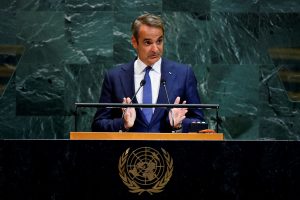
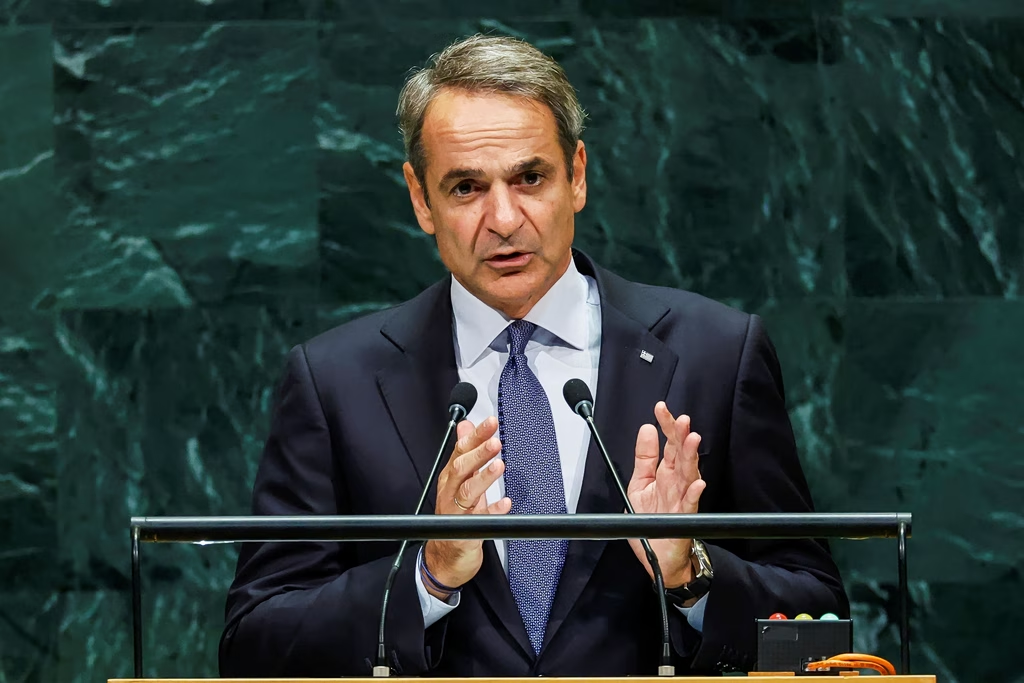
It also remains possible that Prime Minister Kyriakos Mitsotakis will address the Council, as he did during Greece’s first presidency in May 2025.
During that presidency, Greece focused on maritime security, freedom of navigation, respect for international law and the UN Convention on the Law of the Sea (UNCLOS), as well as Greece’s role as a bridge for stability in the Eastern Mediterranean.
Greece’s Foreign Ministry has said maritime security will again feature prominently during the October presidency.