 Μake us preferred on Google
 Greece is prepared to introduce additional economic support measures if the ongoing energy crisis linked to tensions in the Middle East intensifies, Finance Minister and Eurogroup President Kyriakos Pierrakakis said on Friday.
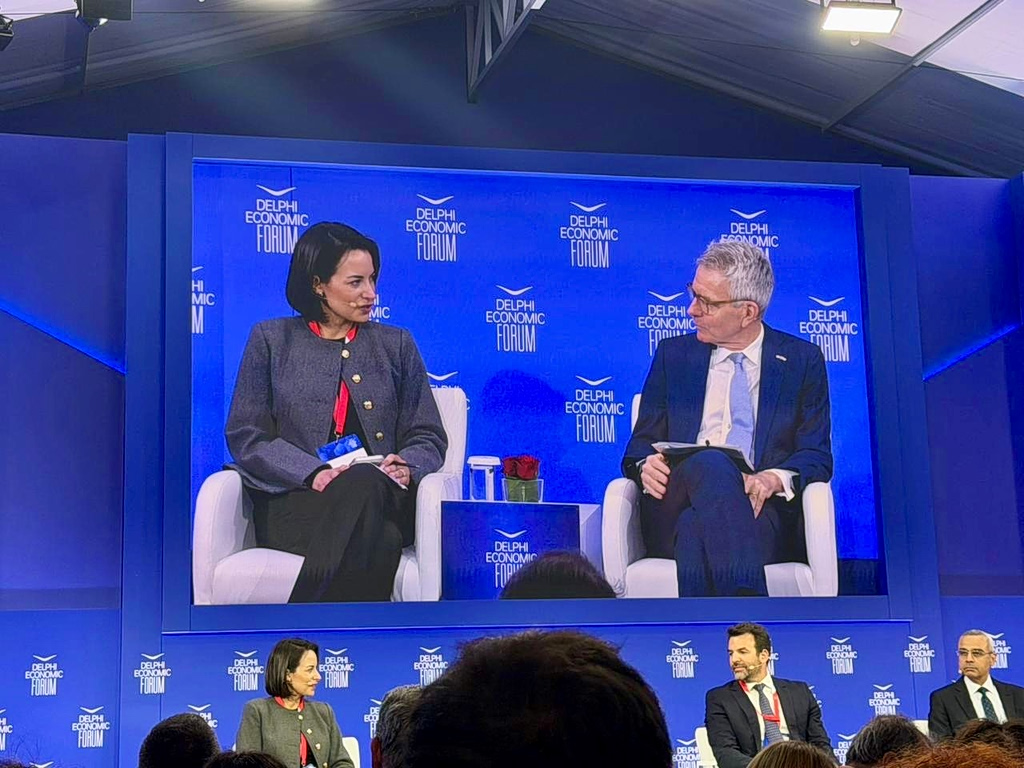
Speaking at an international economic forum, Pierrakakis stressed that while no new package is currently planned, the country has the necessary “fiscal firepower” to act if conditions deteriorate. Any intervention, he noted, would remain within strict budgetary rules.
“We are not there yet,” he said, referring to the possibility of further measures, while highlighting that recent support initiatives had already been announced earlier this week.
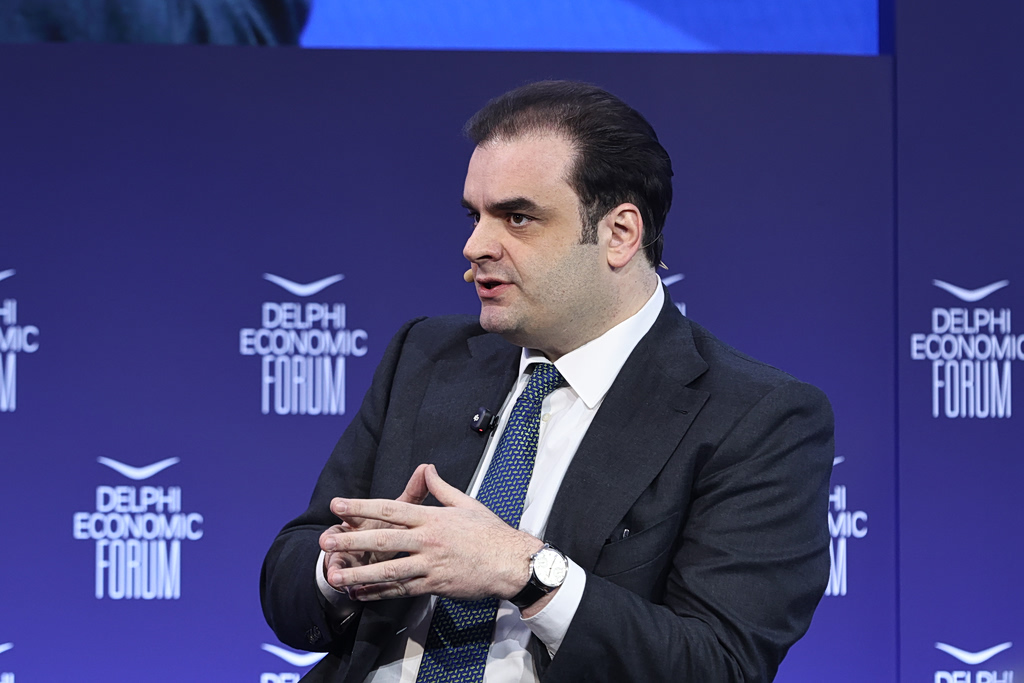
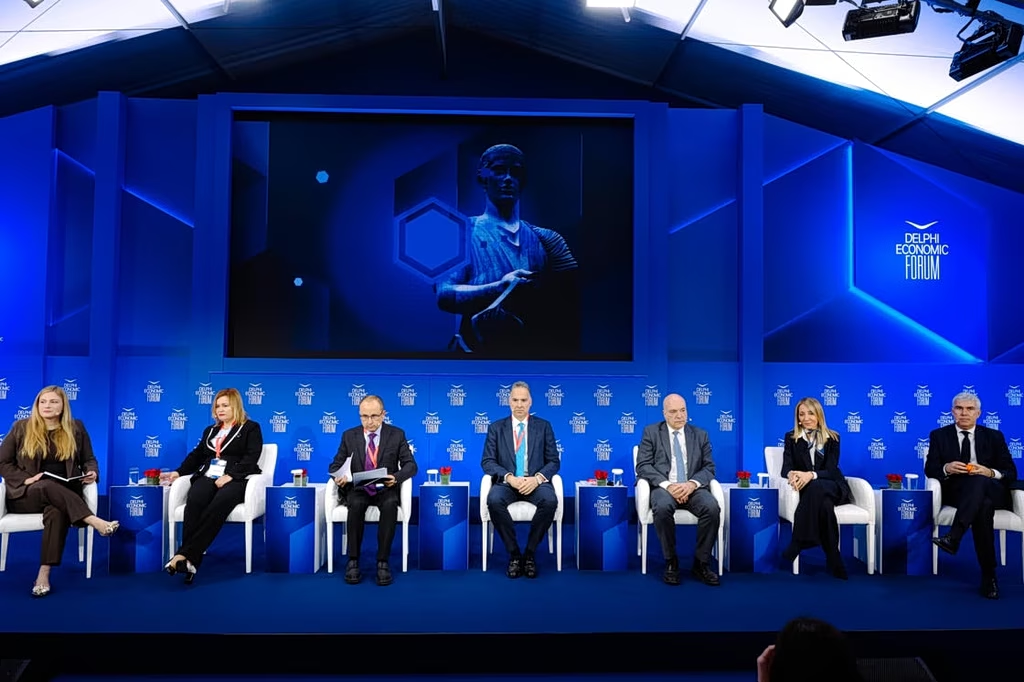
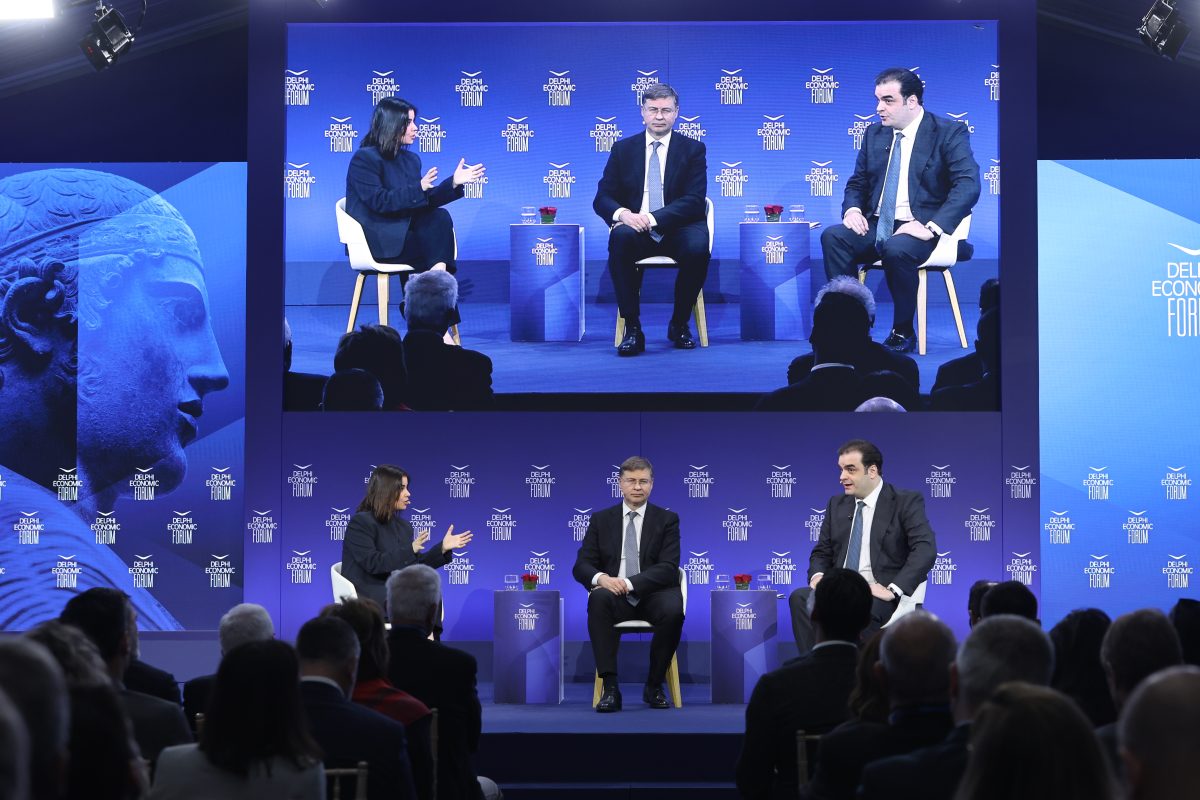
Second Day at the 11th Delphi Economic Forum, Friday 24 April . (ΓΙΑΝΝΗΣ ΠΑΝΑΓΟΠΟΥΛΟΣ/EUROKINISSI)
Fiscal Discipline and Economic Stability
Pierrakakis pointed to Greece’s improved economic position, citing budget surpluses, declining public debt and sustained growth. He emphasized that supporting households must be balanced with maintaining fiscal stability.
“It is a conscious decision not to pass the burden on to future generations,” he said, acknowledging that citizens continue to face pressure from high living costs and growing economic uncertainty.
Lessons from the Past
Referring to the energy crisis of 2022, Pierrakakis noted that some policies implemented at the time proved ineffective or even counterproductive. He said governments now have a clearer framework for responding to similar shocks.
“With the data we have today, doing more at this stage could be counterproductive,” he explained, adding that Europe is in a stronger position than it was a few years ago due to a more diversified energy mix.
However, he also highlighted ongoing challenges, including the need for further investment in energy storage and infrastructure.
European Priorities: Competitiveness and Security
European Commissioner Valdis Dombrovskis warned that the Middle East crisis is already weighing on the European economy, with a projected impact of between 0.2 and 0.6 percentage points on growth.
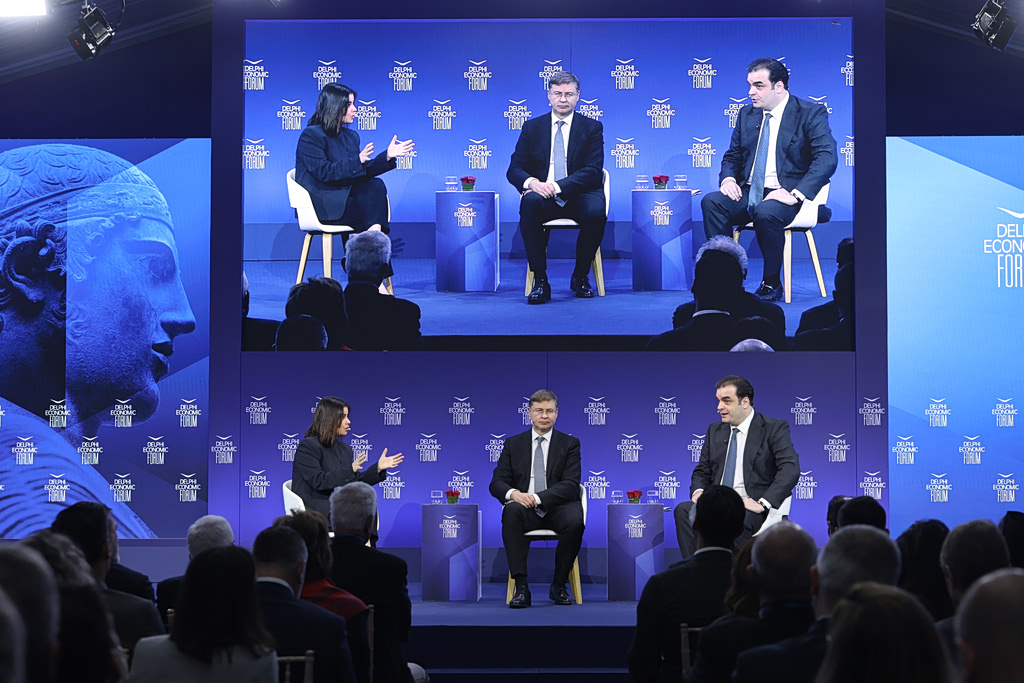
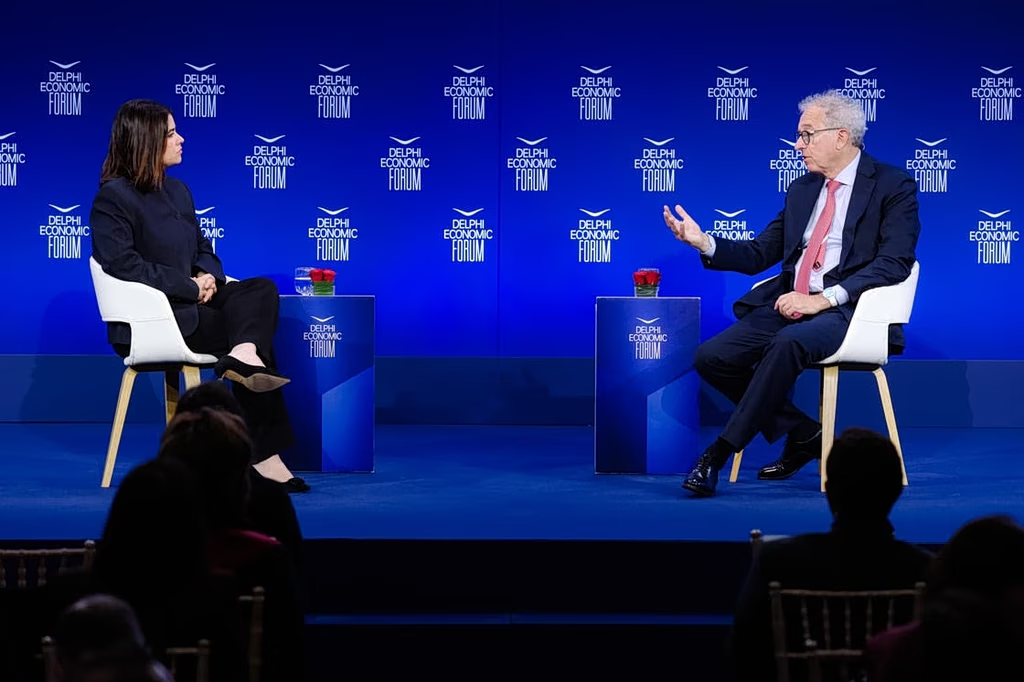
Second Day at the 11th Delphi Economic Forum, Friday 24 April . (ΓΙΑΝΝΗΣ ΠΑΝΑΓΟΠΟΥΛΟΣ/EUROKINISSI)
He also cautioned that inflation could rise by more than one percentage point, raising the risk of stagflation.
According to Dombrovskis, the main concern is not energy availability but rising prices. European authorities are coordinating the release of strategic oil reserves to stabilize markets, while closely monitoring fuel supply chains.
Targeted Support Over Broad Measures
Both officials emphasized that any future support measures should be temporary, targeted and aligned with fiscal constraints, given already elevated levels of public debt and deficits across Europe.
Dombrovskis underlined that the European Union’s top priorities remain strengthening competitiveness and enhancing security and defense capabilities.
Strengthening Europe’s Economic Foundations
Pierrakakis also called for deeper structural reforms within Europe, including advancing investment and savings initiatives, supporting cross-border business activity and strengthening financial and technology sectors.
He described the transatlantic relationship as “fundamental,” but stressed that Europe must reinforce its own economic and defense capabilities.
“The biggest obstacles are internal,” he said. “And those are the ones we must remove.”
As uncertainty persists, policymakers signaled readiness to act—but only if conditions require it—while prioritizing long-term economic resilience over short-term interventions.