 Μake us preferred on Google
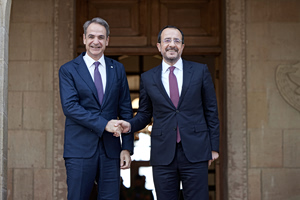
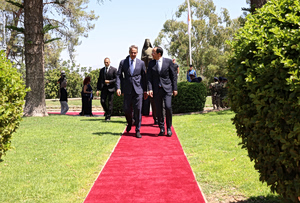
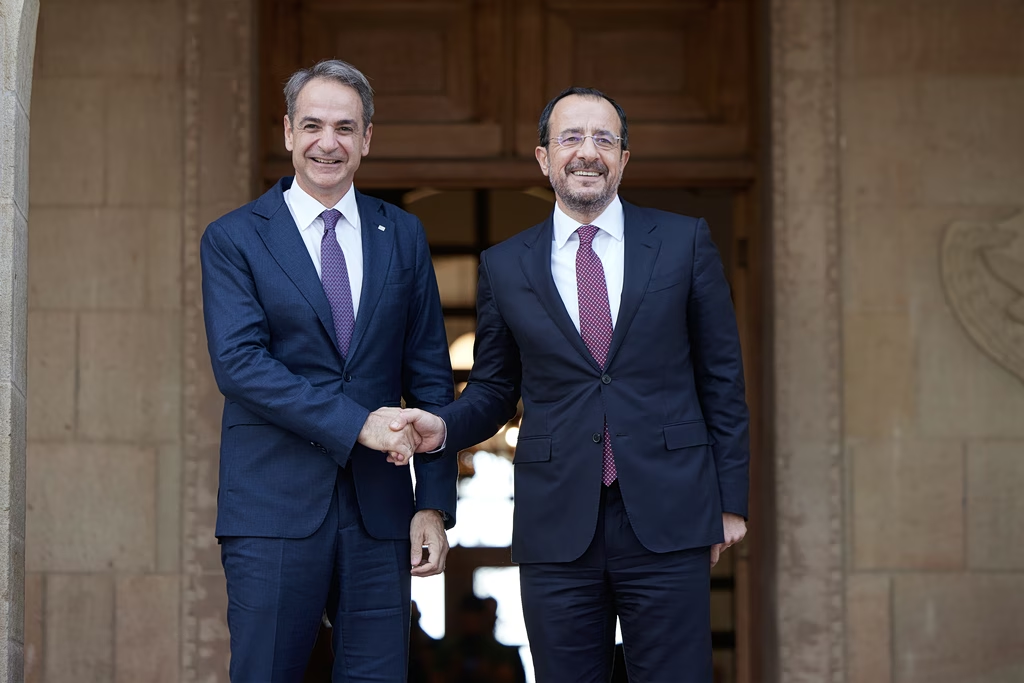
Greek Prime Minister Kyriakos Mitsotakis said Wednesday that the planned electricity connection between Greece and Cyprus was moving ahead despite earlier obstacles, following the resumption of seabed surveys last week. Speaking alongside Cypriot President Nikos Christodoulides after the fourth Greece-Cyprus Intergovernmental Summit in Nicosia, Mitsotakis said work on the Great Sea Interconnector was proceeding according to its original plans. “We insisted, and continue to insist, on implementing this very important strategic project, overcoming whatever obstacles we encountered along the way,” he said.
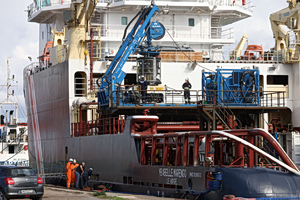
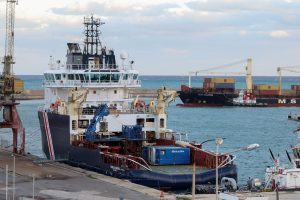
The comments follow the resumption of surveys by the French vessel Abeille Marengo, after earlier Turkish objections to operations in the waters near the Greek island of Kasos.
Christodoulides described the electricity link as strategically important for Cyprus and the wider region, saying he remained in close contact with Mitsotakis, French President Emmanuel Macron and European Union officials over the project.
Cyprus Peace Talks Remain a Priority
The two leaders also reaffirmed their support for efforts to restart negotiations on the Cyprus issue, with Christodoulides saying he was looking forward to a meeting with the United Nations secretary-general. Both governments want negotiations to resume from where they broke down in Crans-Montana, Switzerland, in 2017, under the framework established by U.N. Security Council resolutions.
Mitsotakis reiterated Athens’ support for a bizonal, bicommunal federation, without what he described as outdated security guarantees or occupying forces.
Cyprus’ Schengen Membership and the EU Budget
Mitsotakis also raised the prospect of Cyprus joining Europe’s Schengen area on July 1, 2027, saying he hoped its accession could become the first major decision of Greece’s presidency of the Council of the European Union, which begins that day. The Schengen area allows travel between participating European countries without routine internal border checks.
The two governments also agreed to coordinate their positions in negotiations over the EU’s next long-term budget, covering 2028 to 2034. Athens and Nicosia want to preserve the Common Agricultural Policy, which supports farmers, and cohesion funding, which helps reduce economic and regional disparities across the bloc. Greece will also draw on Cyprus’ experience of holding the rotating EU Council presidency during the first half of 2026, with officials from the two countries agreeing to maintain close cooperation ahead of Athens’ turn.
AI, Wildfire Prevention and Public Services
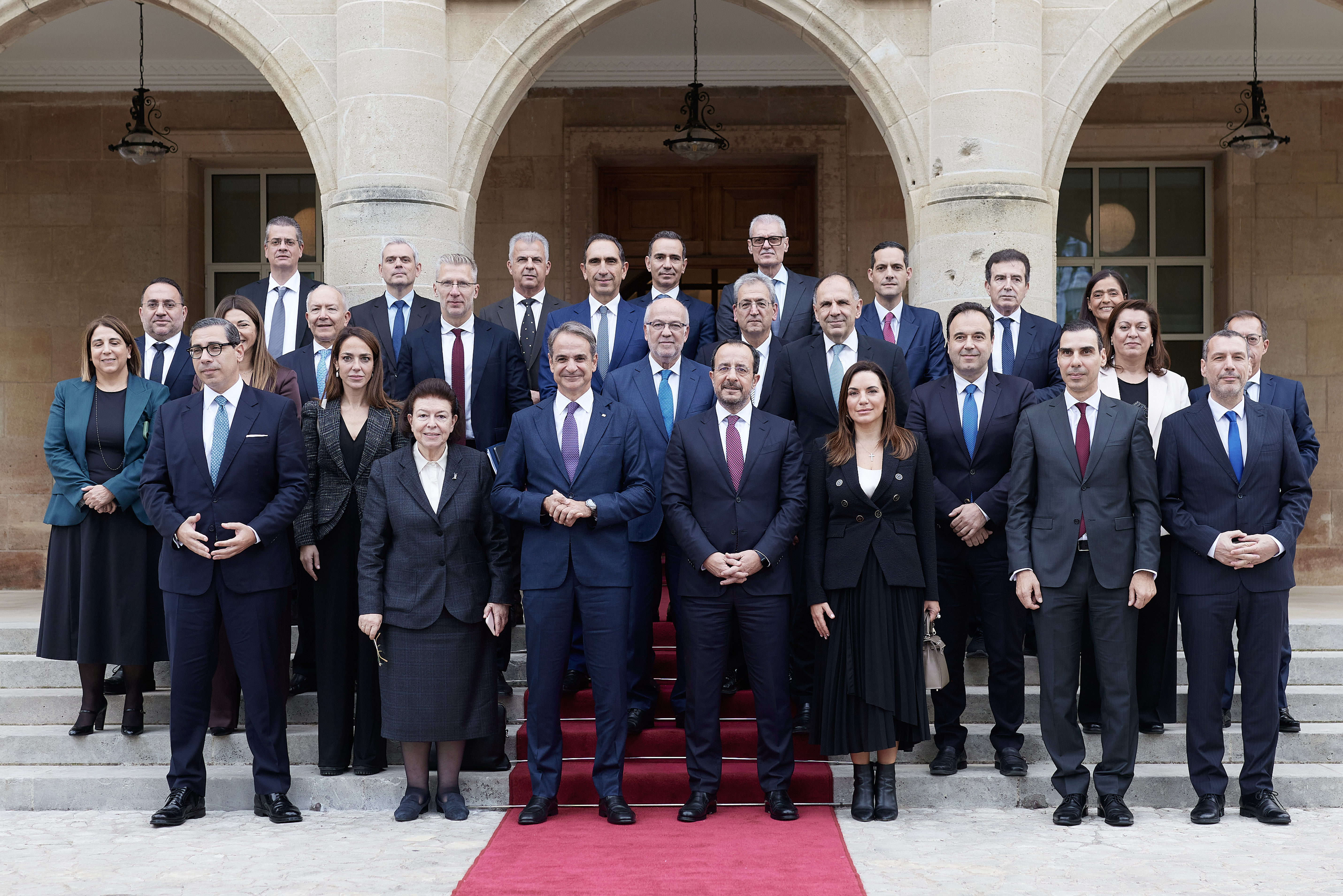
Artificial intelligence and civil protection were among the main subjects of Wednesday’s summit, which brought together ministers and deputy ministers from both governments.
According to a joint statement issued afterward, Greece and Cyprus explored possible pilot projects using AI in public services, including health care, education, justice, employment and tourism. The proposals included digital health assistants, tools to help workers develop new skills, AI applications in schools and technology to assist judicial services. The statement described these as potential areas of cooperation rather than projects already approved for implementation.
The two governments also discussed sharing expertise and technological resources, including Greece’s AI infrastructure, and agreed that their respective digital policy ministries would coordinate future initiatives.
On civil protection, the talks focused on improving preparedness for wildfires and other natural disasters. The two sides discussed joint training exercises, drone technology and AI tools for detecting wildfires earlier and supporting emergency response. They also reviewed cooperation during the 2026 wildfire season, when a team of 21 Greek firefighters was stationed in Cyprus under the EU Civil Protection Mechanism.
Mitsotakis said Greece expected to receive its first new Canadair 515 firefighting aircraft in 2028. The two governments also discussed possible Greek participation in a planned regional aerial firefighting center in Cyprus.
Other Agreements and Housing Cooperation
Greece and Cyprus signed three cooperation documents during the summit, covering emergency medical services and the training of Cypriot security personnel. The first agreement concerns the training of ambulance crews to improve emergency medical care. Two additional declarations of intent provide for Cypriot students to attend the Hellenic Police Officers School and for personnel of the Cyprus Coast Guard to train at Greek naval academies.
Housing affordability was also discussed, with both governments examining their approaches to rising property prices and ways to improve access to affordable homes. Mitsotakis acknowledged the difficulties facing people looking to buy or rent a home, pointing to the need for new approaches to housing policy. The two sides discussed exchanging expertise and experience, but announced no specific joint measures.
The talks also covered cooperation against organized crime, including the use of artificial intelligence to support investigations and the exchange of information between authorities.
In tourism, the two governments agreed to develop a joint action plan, while discussions on maritime affairs included ways Greece could draw on Cyprus’ experience in attracting more vessels to its national shipping register.
The next Greece-Cyprus Intergovernmental Summit will take place in Athens in 2027, although a date has yet to be set.
Source: AMNA, TO BHMA