 Μake us preferred on Google
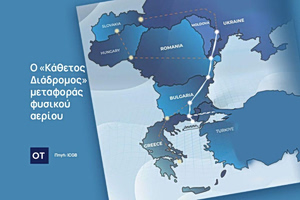
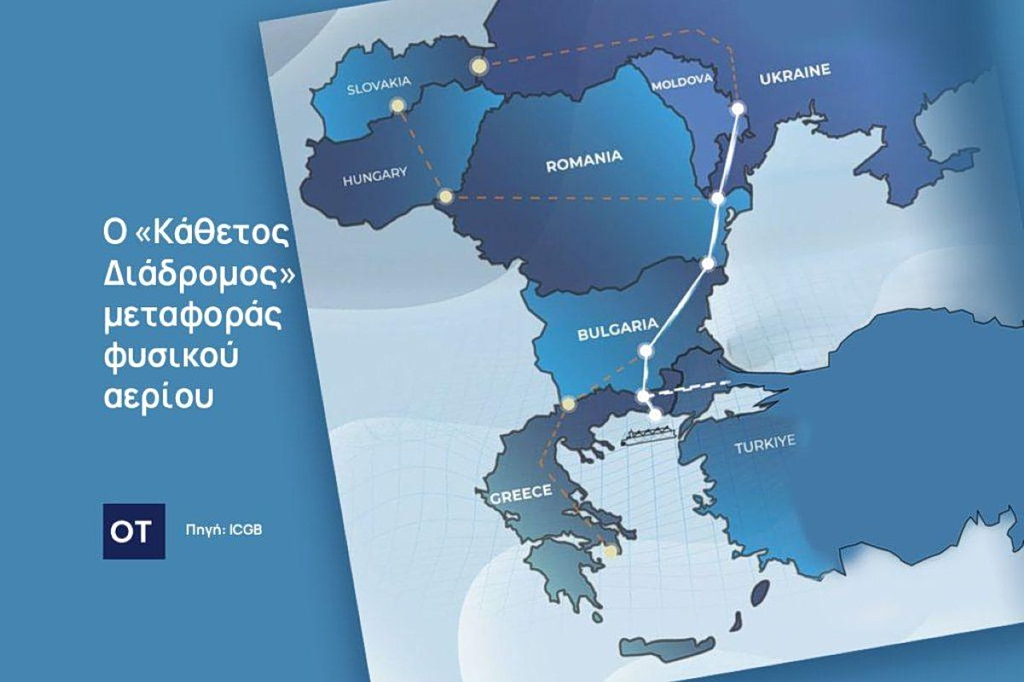
A year after Athens hosted the Partnership for Transatlantic Energy Cooperation (P-TEC) summit, which produced several agreements aimed at expanding American natural gas exports to Europe, the Vertical Gas Corridor has made progress, but its commercial future remains uncertain.
Greek Energy Minister Stavros Papastavrou is in Warsaw on Wednesday for the seventh P-TEC ministerial meeting, where the corridor’s prospects are among the main issues under discussion. The project, which aims to transport American liquefied natural gas (LNG) from Greek import facilities northward into Central and Eastern Europe, has strong backing from Athens and Washington. But securing enough European buyers willing to commit to long-term contracts remains a challenge. Over the past year shipments of US LNG northward through Greece have nearly doubled, yet higher volumes have not resolved the question of whether the corridor can become commercially viable.
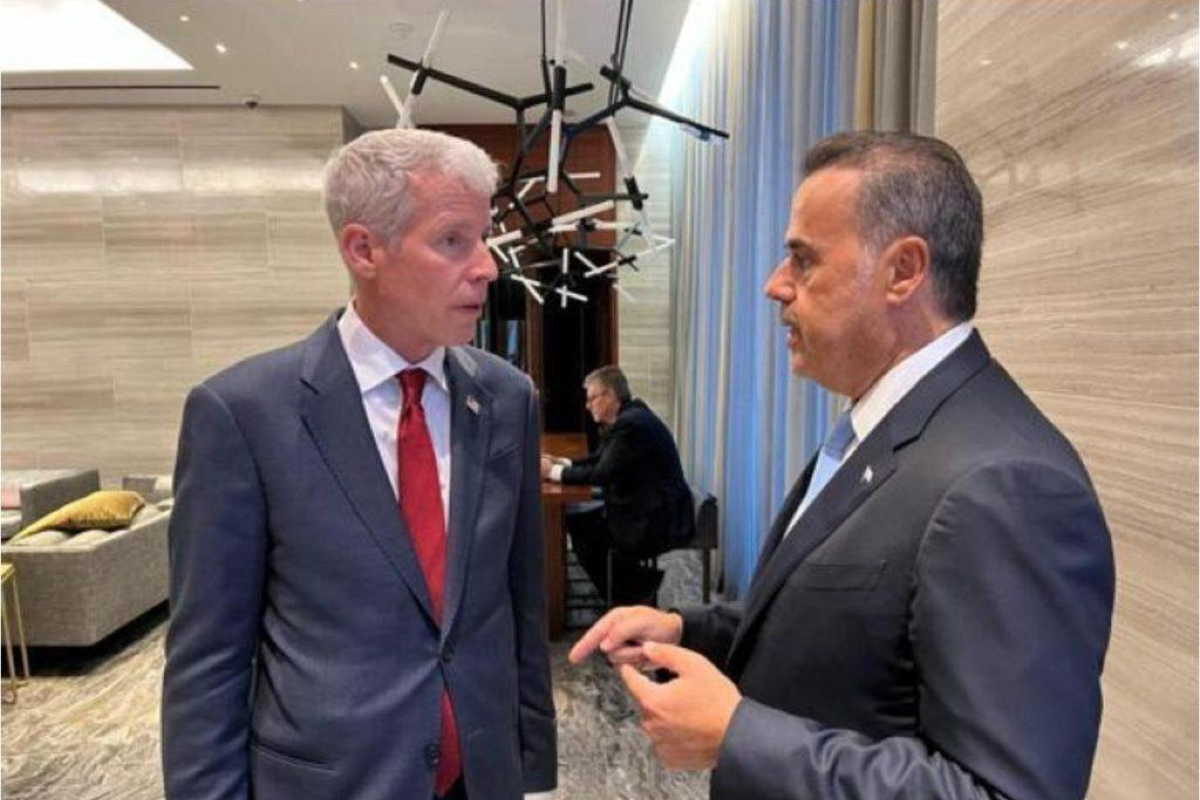
Papastavrou is scheduled to meet U.S. Energy Secretary Chris Wright on the sidelines of the Warsaw summit as well as hold separate talks with his European counterparts on regional energy cooperation and security of supply. He will also participate in a roundtable on transatlantic LNG trade, where the outlook for the Vertical Gas Corridor will be discussed.
The Cost of Replacing Russian Gas
The Vertical Gas Corridor is intended to provide countries in Central and Eastern Europe with an alternative to Russian natural gas, using existing infrastructure to transport supplies arriving at Greek LNG terminals.
The US and Greek governments are strong backers of the project. Several countries in the region, however, have been more cautious about committing to purchasing expensive American gas. The reluctance reflects broader economic and geopolitical uncertainty. Governments and energy companies face difficult decisions about signing costly long-term supply agreements when future energy prices and market conditions remain unpredictable.
One uncertainty hanging over the project is the future of Russian gas in the European market. While European institutions remain committed to reducing dependence on Russian energy, individual countries may reassess their options if geopolitical conditions change. A potential easing of tensions between Russia and Ukraine could revive interest in cheaper Russian supplies, making it harder for American LNG to compete. Such a development remains hypothetical, however, with no immediate prospect of a de-escalation in the conflict.
Why Is Greece Betting on the Corridor?
For Athens, the appeal of the corridor goes beyond reducing Europe’s dependence on Russian natural gas.
Greece has invested in infrastructure that allows it to receive LNG shipments and transport gas northward through the Balkans. Its facilities at Revithoussa and Alexandroupoli give it a potential role as a gateway for American gas entering Central and Eastern Europe. If the corridor attracts sufficient demand, Greek energy companies could benefit from increased trade, while greater use of the country’s gas infrastructure could generate some additional revenue for the state companies.
There is also a diplomatic calculation behind the Greek government’s strong support for the Corridor. The project places Greece, a very willing ally, at the center of Washington’s efforts to expand American energy exports to Europe, strengthening bilateral ties and giving Athens a more prominent role in regional energy security.
As an energy sector source told TO BHMA, both the Vertical Gas Corridor and the broader American presence in the region represent geopolitical gains for Greece. They however noted that the project’s economic future depends on several factors and remains subject to change and unexpected developments.
The Guilfoyle Controversy
Last year’s P-TEC summit in Athens was among Kimberly Guilfoyle’s first major engagements as U.S. ambassador to Greece. She went on to become one of the Vertical Gas Corridor’s most prominent advocates, traveling across the Balkans to promote the project as part of Washington’s push to reduce Europe’s dependence on Russian energy and instead commit to purchasing more US LNG.
Her departure in October, however, and the controversy that followed have cast a shadow over the initiative. The Wall Street Journal reported allegations that Guilfoyle had used her diplomatic position to promote private business interests closely tied to the corridor. The newspaper also reported that she had suggested Washington could bring down governments, citing political turmoil in Romania, where the government had supported the corridor but resisted committing to large purchases of American gas.
With information from TO BHMA