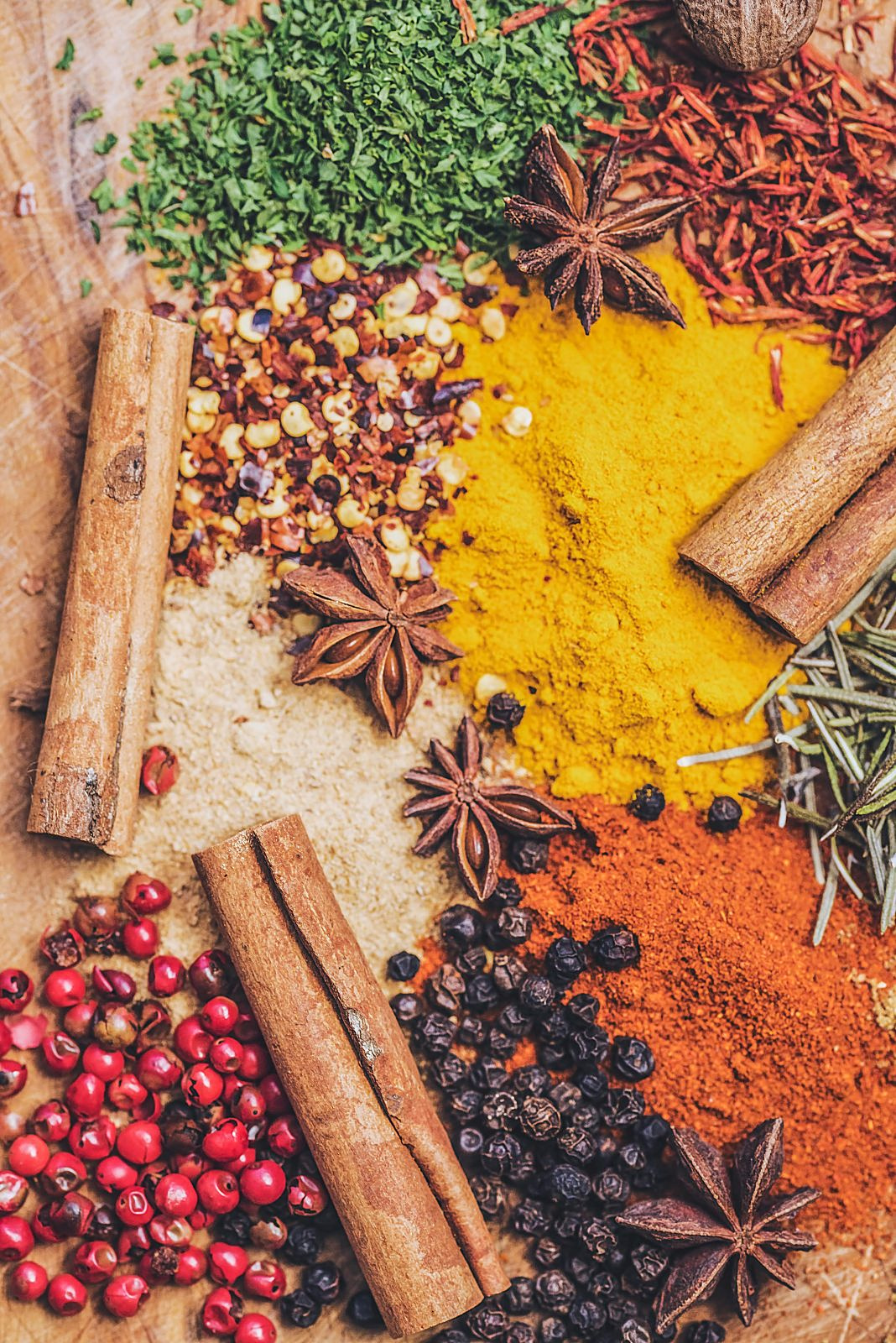

With flu outbreaks increasing, preventive measures—including diet—are more important than ever. Herbs and spices long valued for their medicinal properties are gaining renewed attention, offering natural support for the immune system.
Echinacea

Echinacea, a plant related to daisies and sunflowers, is believed to stimulate the immune system. Research suggests it has anti-inflammatory and antibacterial properties, helping the body respond to viral infections. It contains polysaccharides that enhance immune function and has traditionally been used to treat pain, wounds, and bites. Echinacea is commonly available as capsules, liquid drops, or herbal tea.
Turmeric
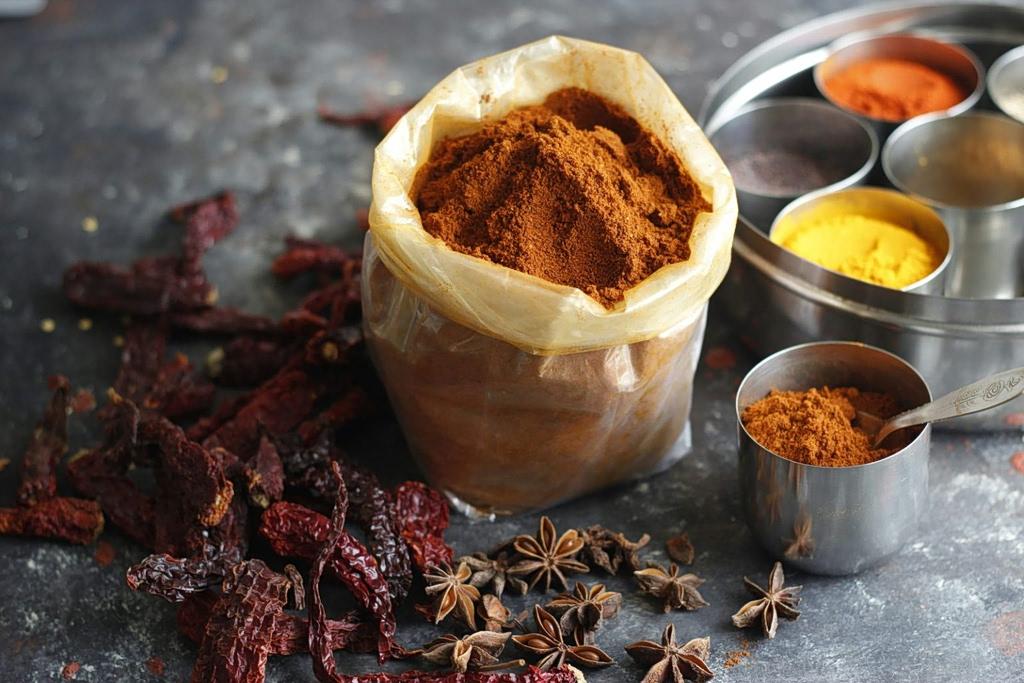
Turmeric contains curcumin, a compound with proven anti-inflammatory, antioxidant, and antiviral effects. Studies indicate curcumin may help regulate immune responses and reduce chronic inflammation. Its absorption improves when combined with black pepper or healthy fats like olive oil. Moderate consumption is recommended, as large amounts may cause digestive discomfort.
Ginger
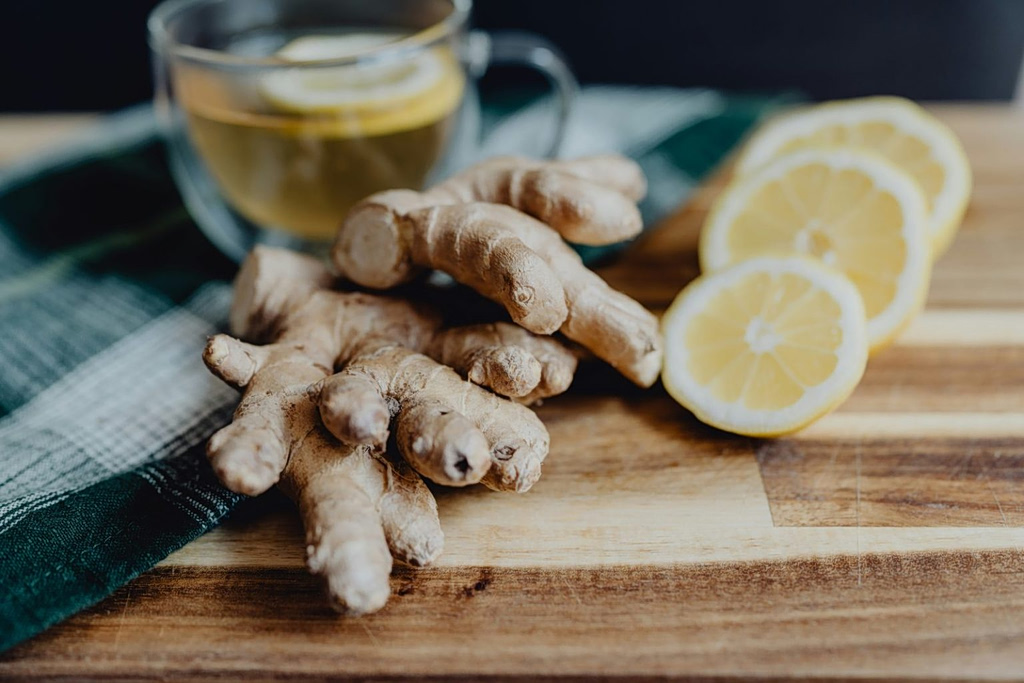
Ginger supports immunity thanks to gingerol, which has antioxidant and anti-inflammatory effects. It helps white blood cells fight infections, viruses such as RSV, and bacteria. Often consumed as “ginger shots” with lemon and turmeric, it is a popular natural tonic to prevent colds and boost overall immune defenses.
Cinnamon
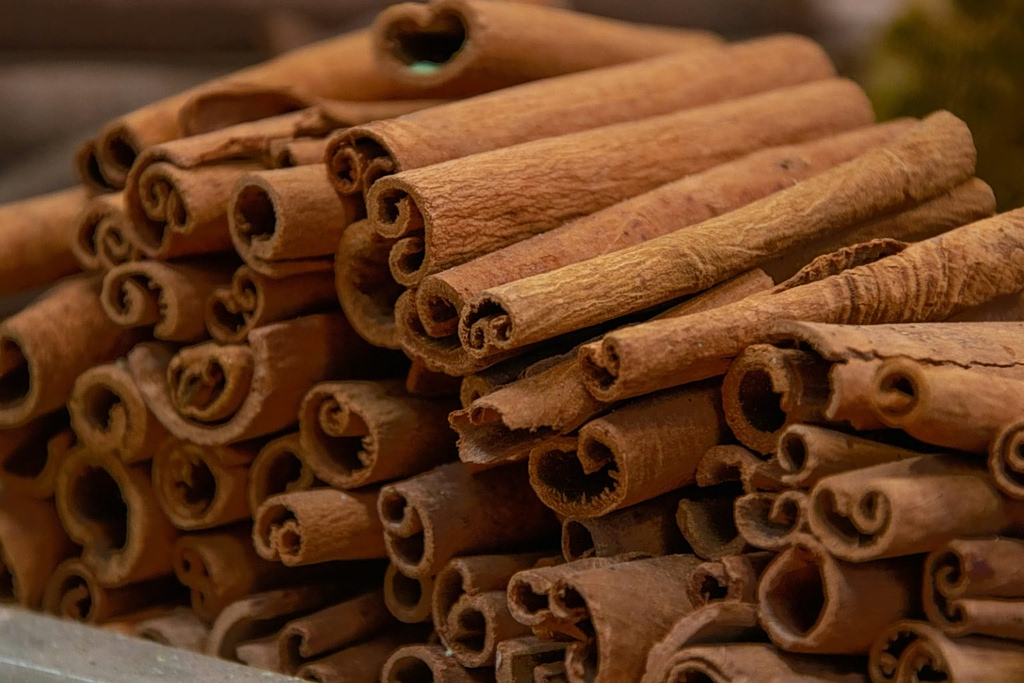
Cinnamon strengthens the immune system through its antioxidants, including polyphenols, and anti-inflammatory properties. It protects cells, combats viruses and bacteria, and may help reduce oxidative stress, contributing to overall immune resilience.
Paprika
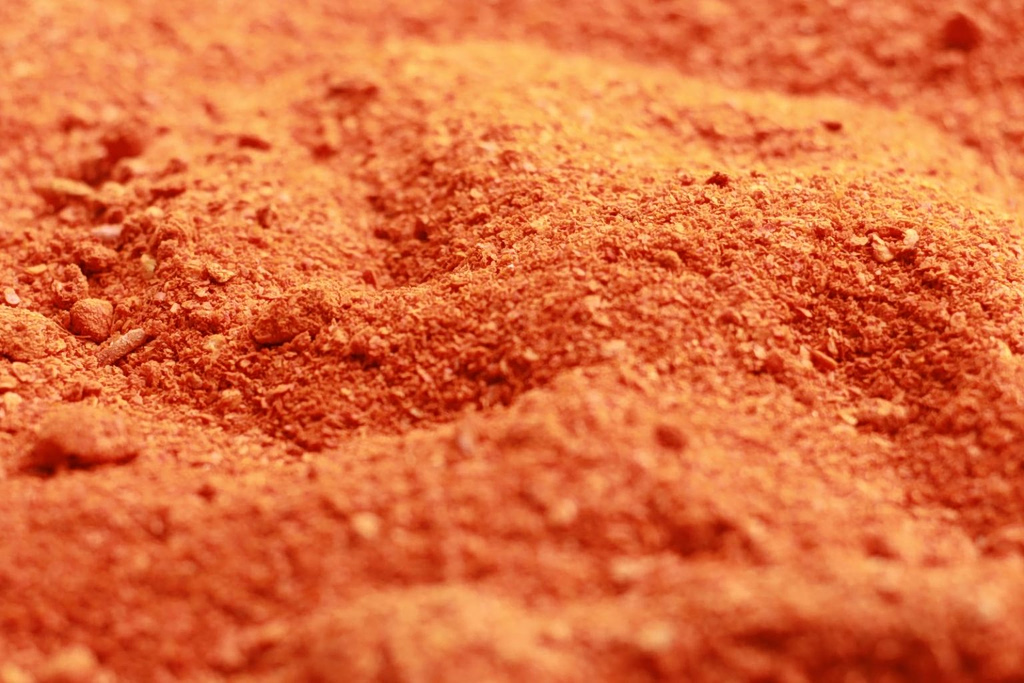
Paprika is rich in vitamins A, C, and E, which support immune cell development and combat oxidative stress. It also reduces inflammation and helps protect against common viruses like the cold, making it a valuable ally for maintaining health.
Incorporating these herbs and spices into your diet may provide a natural boost to immunity, complementing other preventive measures during the flu season.