 Μake us preferred on Google
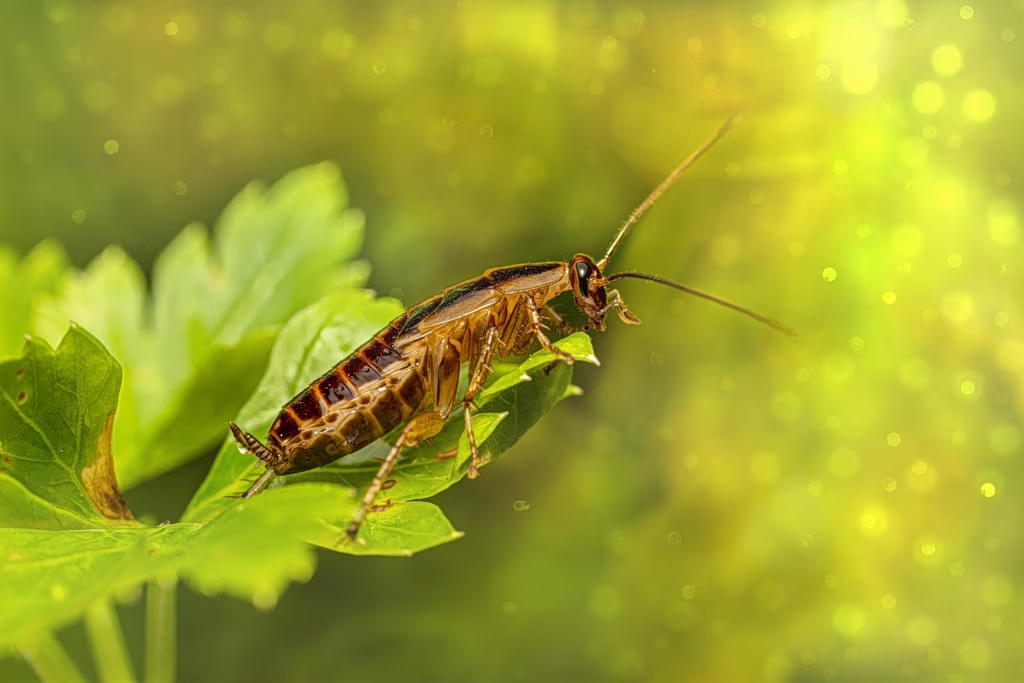
 Cockroaches are among the most common household pests, finding their way into homes through multiple hidden entry points. Once inside, they quickly adapt to indoor environments in search of food, moisture, and shelter.
According to pest-control guidance, these insects typically enter through drains, cracks in walls and doors, gaps around windows, and openings in plumbing or wiring systems. They can also be unknowingly brought indoors through everyday items such as shopping bags, boxes, or luggage.
Why cockroaches invade homes
Cockroaches are primarily driven indoors by three basic needs: water, food, and warmth.
They are especially attracted to humid environments such as bathrooms and kitchen sinks, where moisture is readily available. Food residues, unsealed garbage, and even pet food can also serve as strong attractants.
In addition, homes provide stable shelter from extreme temperatures, making them an ideal hiding place throughout the year.
How they get inside
Experts note that cockroaches have a remarkable ability to survive and adapt. Their bodies can compress to nearly half their height, allowing them to slip through extremely narrow gaps, including small wall cracks or spaces beneath doors.
Common entry points include:
- Drains and plumbing systems: Bathroom and kitchen drains are among the main access routes, often connected to underground pipes.
- Cracks and gaps: Openings in walls, foundations, and around doors or windows.
- Pipes and cables: Poorly sealed utility lines that create hidden pathways.
- Ventilation systems: Air vents and air-conditioning ducts.
- Transported items: Cardboard boxes, shopping bags, and suitcases brought in from outside.
Three key prevention tips
Simple household habits can significantly reduce the risk of infestation:
Seal entry points: Close cracks and gaps using silicone or filler to block access routes.
Protect drains: Install strainers in sinks and ensure drains are covered when not in use.
Maintain cleanliness: Avoid leaving dirty dishes overnight, dispose of garbage regularly, and clean behind appliances where crumbs and moisture can accumulate.