 Μake us preferred on Google
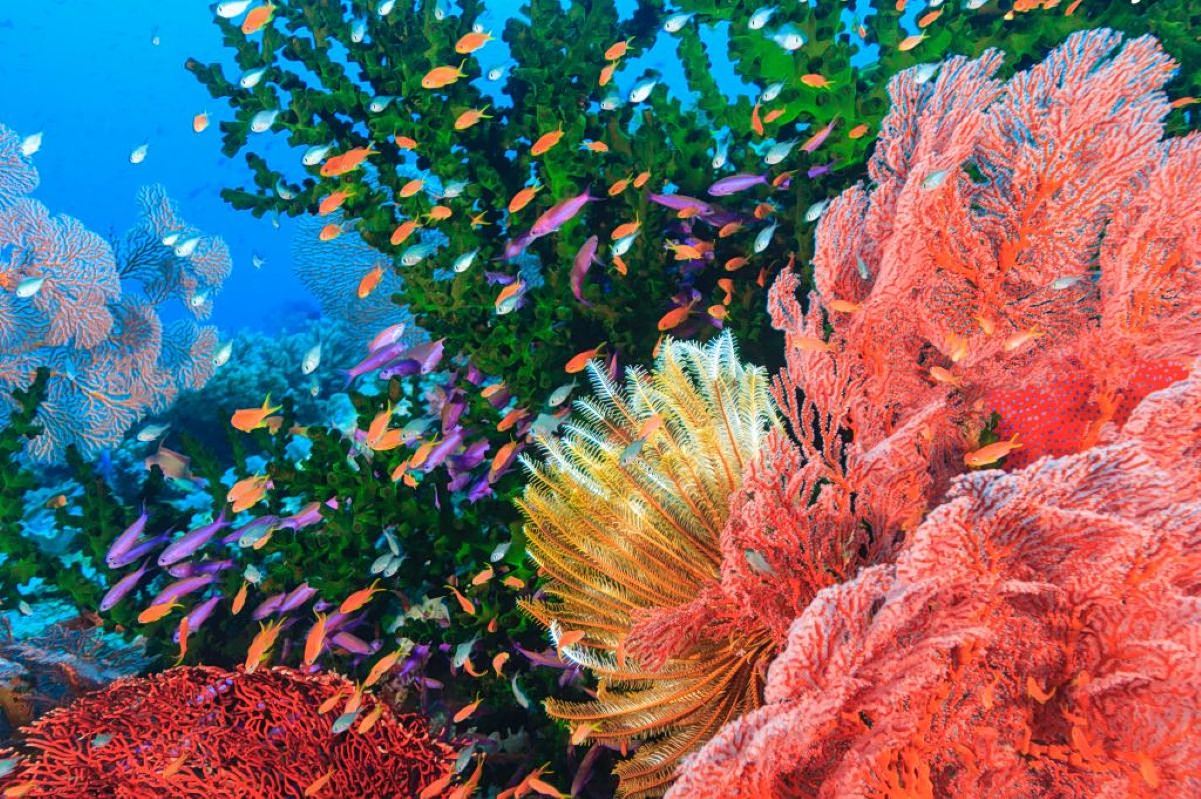
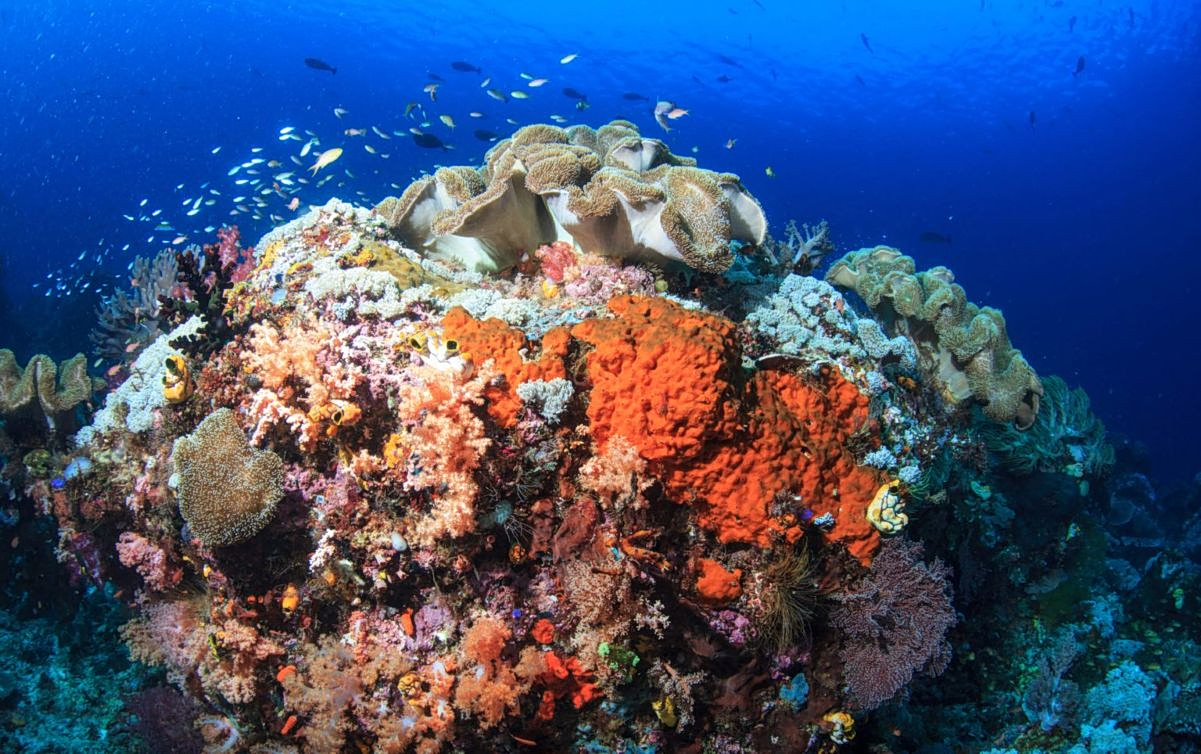
 Scientists have identified nearly 166,000 square kilometres (64,000 square miles) of coral reefs capable of surviving and recovering from the impacts of climate change—an area three times larger than previously estimated, according to a study published on Tuesday.
The world’s coral reefs, which support roughly a quarter of all marine life, have come under intense pressure from powerful tropical storms, pollution and widespread bleaching events driven by rising ocean temperatures. Some researchers have warned that these ecosystems are facing irreversible decline.
However, a new analysis of 45,000 coral surveys, combined with decades of climate and ocean data, has revealed climate-resilient reefs across 71 countries and 100 territories. The findings include reef systems in parts of the Caribbean and the Pacific and Atlantic oceans that had not previously been recognised as strongholds of resilience.
Emily Darling, Director of Coral Conservation at the Wildlife Conservation Society (WCS) and a co-author of the report, said coral reefs are often portrayed as ecosystems beyond saving. The study, she noted, demonstrates the opposite, showing that scientists now know where the greatest opportunities for recovery exist. The key challenge, she said, is securing the political commitment needed to protect them.
The findings come as countries develop action plans aimed at placing 30% of their land and marine environments under formal protection by the end of the decade—a target known as “30 by 2030.”
Researchers say the new data will help governments incorporate the location of climate-resilient reefs into their conservation strategies.
Darling said that only 28% of coral reefs currently fall within protected or conserved areas, highlighting both the scale of the opportunity and the urgency of action. She added that the need for protection is particularly pressing as the world faces the prospect of a powerful El Niño event.
Source: Reuters