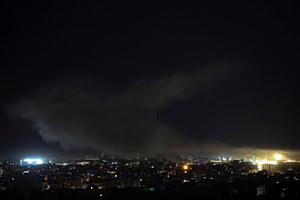
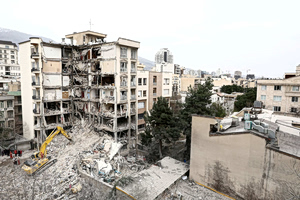
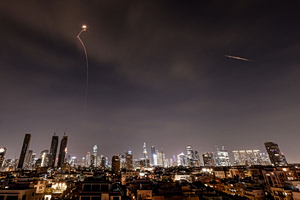
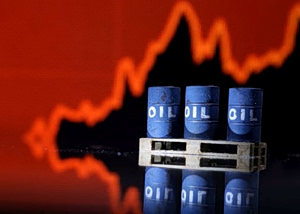
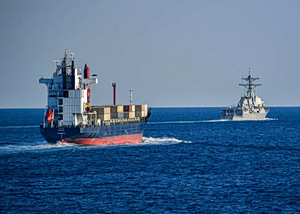
Tehran denies any negotiations with Washington after fresh missile attacks, while conflicting signals from both sides rattle global markets and push oil prices higher again.
The president cited "productive" talks, while Iran denied it was in direct discussions with the U.S.
The U.S. pauses planned attacks for five days after “productive” talks with Tehran, as tensions remain high following Iranian threats targeting regional energy facilities.
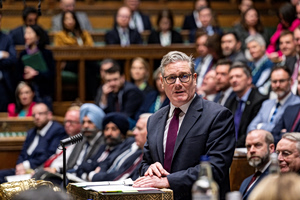
Prime Minister Keir Starmer says security assessments show no direct Iranian threat to the UK, as tensions rise following missile activity in the region and concerns over the Strait of Hormuz
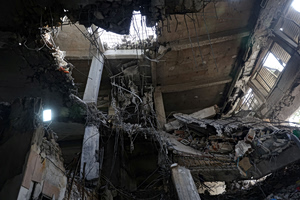
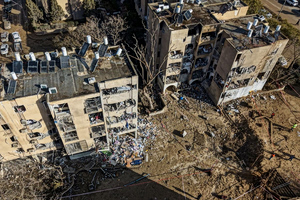
Airstrikes have damaged complexes used to hold political detainees, according to a Wall Street Journal visual investigation—putting their lives in danger
Iran’s Revolutionary Guards warn they will target Israeli and U.S.-linked electricity infrastructure in response to any strike on Tehran’s power sector, signaling a tit-for-tat escalation in the ongoing regional conflict
Amrita Sen, founder of Energy Aspects, was also cited as warning that the situation clearly pointed to further escalation and, consequently, higher oil prices, while cautioning that assumptions Iran might back down were misplaced.
U.S. President's ultimatum suggests a widening of potential U.S. targets to include civilian energy infrastructure.
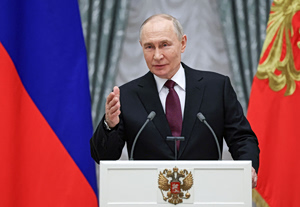
Moscow reaffirms support for Tehran during escalating conflict, though questions remain over the extent of its assistance and strategic commitments
Tehran reportedly launched two ballistic missiles at Diego Garcia, though initial reports suggest they missed. The strike signals an escalation in the conflict and highlights Iran’s extended missile range
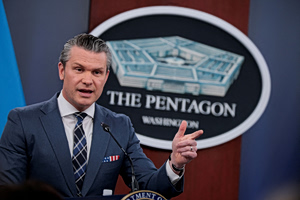
The Pentagon is sending more warships and additional Marines to the Middle East, and Iran's supreme leader declares ‘safety must be taken away’ from enemies
US president criticizes allies for refusing military involvement while urging them to help secure shipping routes as oil prices surge
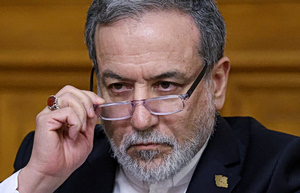
This statement was made following the death of Ismail Hatib, Iran's minister responsible for intelligence services, who was killed last week in a strike.
Iran is not collapsing — it is shrinking into a narrower, harder, and more security-centered regime
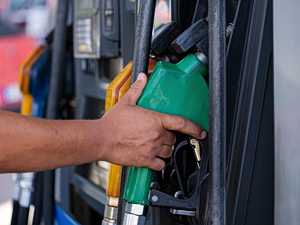
As the war between Iran and the US-Israeli coalition has entered its fourth week, with both sides now targeting critical energy facilities, many fear this phase could further exacerbate the rate at which fuel costs across the globe are rising. Greek consumers are already feeling a pinch in their pockets at the pump due to […]
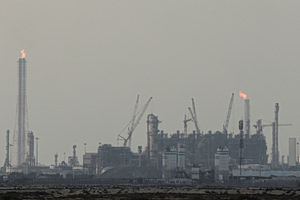
In an interview with Reuters, QatarEnergy CEO Saad al-Kaabi warned that the damage from recent Iranian attacks could force the company to declare force majeure on long-term LNG contracts to Italy, Belgium, South Korea and China
Greece’s National Cybersecurity Authority said reports that it had issued an urgent warning over possible Iranian cyberattacks were false.
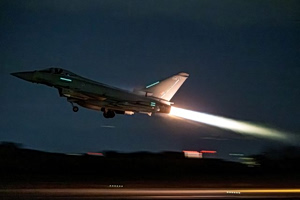
Pentagon says strikes on thousands of targets continue as Washington focuses on destroying Iran’s military capabilities and preventing nuclear weapons development
Tehran says nuclear doctrine unlikely to change under new supreme leader and urges Gulf states to draft a fresh agreement on Strait of Hormuz navigation after the war
Iran's parliament is reviewing a bill that would require ships passing through the Strait of Hormuz to pay transit fees to Tehran.