As summer winds down, it’s leaving a heavy mark on Greek household budgets, with the fuel pump emerging as the clearest indicator of the pressures the market faced.
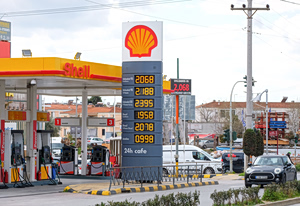
Unleaded gasoline, firmly settled above the psychological threshold of 2 euros per liter, wasn’t just a number on the lit-up signs at gas stations. It became a decisive factor shaping how Greeks planned their vacations this year.
Data and observations from Giorgos Asmatoglou, former president of the Panhellenic Federation of Fuel Station Owners (POPEK), point to a clear new reality: forced changes in consumer habits, limited travel, and a rethinking of the traditional summer getaway.
Tracking Prices: From Global Markets To The Greek Pump
Fuel prices throughout August were driven by swings in international oil markets. As Asmatoglou explained, the price hikes drivers felt at the peak of summer were the result of an upward trend in international crude oil prices over the preceding weeks. A barrel climbed from around $88, passed $92, and touched $94, inevitably dragging up refining costs and wholesale prices.
According to official figures from the Ministry of Development, the national average price for unleaded gasoline reached 2.015 euros per liter. In island regions, including the Cyclades, the Dodecanese, and hard-to-reach mainland areas, added transport costs pushed unleaded prices close to or even above 2.50 euros per liter. These prices made travel prohibitively expensive for a large part of the population.
The Impact On Vacations
The fuel pump revealed a deeper socioeconomic shift. With unleaded staying above the 2-euro mark, thousands of households were forced to adjust their vacation plans.
According to Asmatoglou, the picture in major urban centers during August was telling: traffic in cities stayed noticeably higher than in previous years, confirming that a significant share of the population either couldn’t travel at all or drastically cut down the time they spent away from home.
At the same time, drivers who did travel cut back on trips and, in turn, on fuel consumption. Private vehicle use was limited to only the most essential routes.
The drop in sales volume at gas stations shows up clearly in state revenue too. Public coffers are recording lower receipts from the Special Consumption Tax, confirming the overall decline in total liters consumed.
VAT revenue, on the other hand, is up, since the high sticker price drags the proportional tax per liter higher along with it, hitting the end consumer with a double burden.
What’s Next For Prices
As for where prices are headed in the near term, Asmatoglou is cautious. Even though the latest data from international markets show crude oil prices trending downward, that decline doesn’t reach consumers’ fuel tanks instantly.
Because of the time lag built into the pricing chain, from refineries to gas stations, high prices are expected to hold at least until midweek. Only if the international drop holds steady over time will the decrease gradually start showing up at the retail level.
The Next Big Headache: Heating Oil
As summer draws to a close, concern in the market and among households is shifting from summer travel to winter needs. With diesel prices staying elevated, there’s growing worry about the starting price for heating oil.
Heating oil sales begin on October 15, and it remains to be seen whether conditions in international markets will improve by then.
Last October, when heating oil sales began, the starting price averaged around 1.09 to 1.10 euros per liter. Based on today’s figures, that price would be closer to 1.80 euros per liter.
If international prices don’t stabilize at lower levels, Greek households will be facing a second wave of high prices. After the increased cost of summer travel, covering heating needs threatens to become the next big financial challenge of the fall.
The fuel market is in a delicate balance, where prolonged high prices are testing consumers’ limits and squeezing domestic demand.