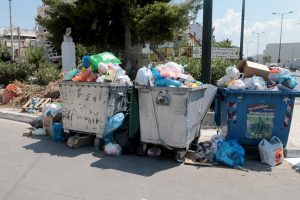
Athens’ garbage problem is back in the spotlight, exposing once again the chronic weaknesses of waste management in Greece’s largest metropolitan area.
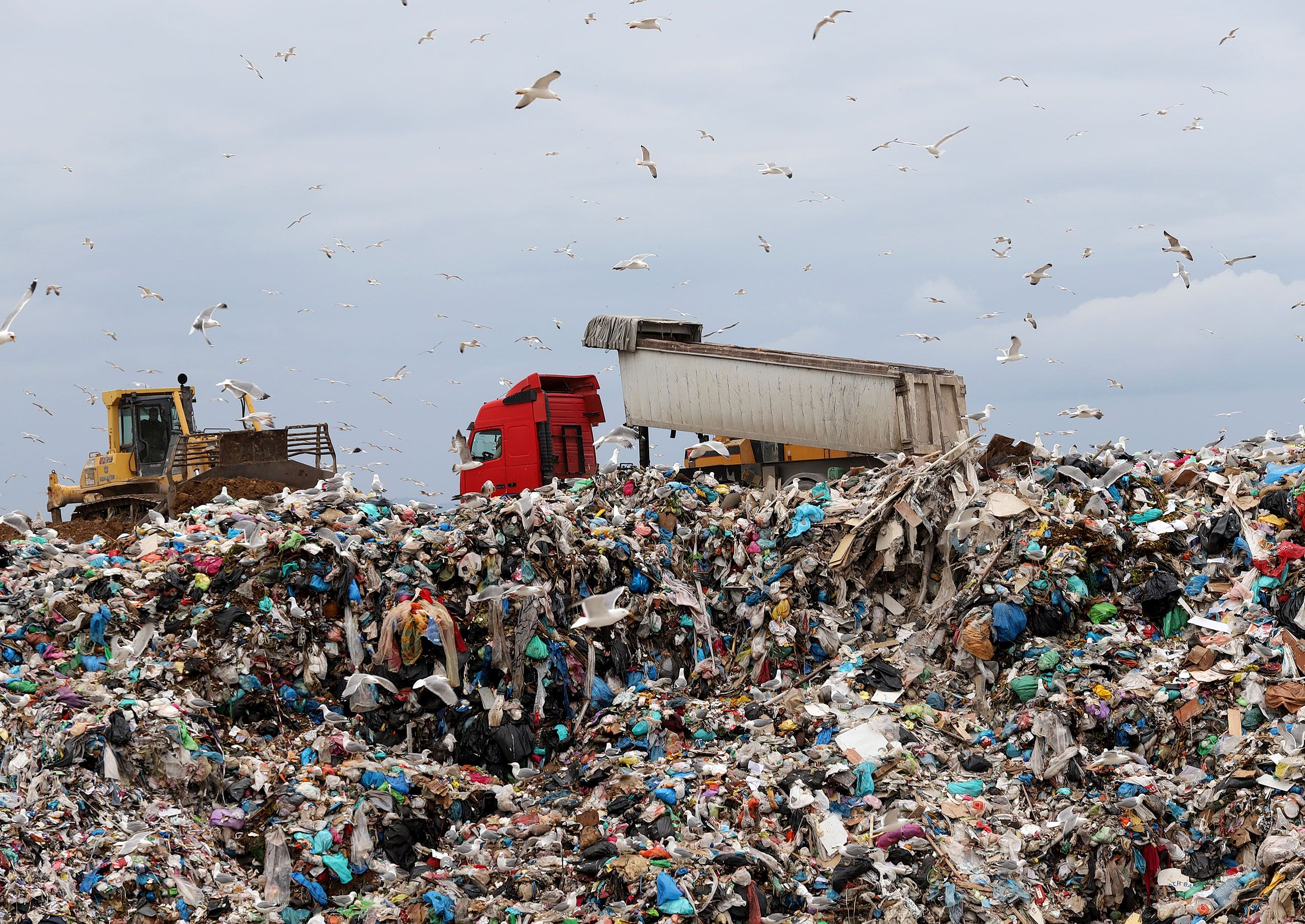
At the center of the debate is the Fyli Landfill, the only sanitary landfill serving the wider Athens basin. Far from being just a disposal site, Fyli has become emblematic of a system that repeatedly shelves long-term solutions, opting instead for stop-gap solutions with temporary extensions that stretch space, budgets and local tolerance to their limits.
A landfill that cannot wait
On Dec. 22, 2025, EDSNA, the intermunicipal authority responsible for waste management in Attica, approved a new project costing nearly €11.2 million. The plan involves another major vertical expansion of the landfill, creating space for 3.9 million cubic meters of waste.
The project includes a retaining wall stretching 1,100 meters and standing 5.5 meters high. According to Charalampos Siatras, president of EDSNA and deputy regional governor of Attica for the Environment, the decision was unavoidable. Without it, he said to OT.gr, the landfill would “clog up by summer.”
Crucially, the expansion does not involve new land but further use of the already licensed site, a point officials stress as evidence of necessity rather than choice.
A bottomless barrel
Despite repeated declarations that Fyli is nearing capacity, the landfill continues to grow. Since 2017, its operational life has officially ended several times, only to be repeatedly extended.
According to figures highlighted by a coalition of local groups and residents in western Attica, Fyli’s total capacity increased from 27.3 million cubic meters in 2010 to 32.5 million cubic meters after its last expansion in May 2020.
The group also points to a key clause in the latest amendment, dated March 18, 2025, to the Environmental Approval Decision for the wider Fyli waste management complex. It states that waste disposal at the landfill is permitted only for six months, until Sept. 18, 2025. After that restoration of non-rehabilitated sections must begin.
Dead ends and delays
According to sources, a new application has already been submitted to the Ministry of Environment and Energy to renew the expired environmental permit. The new works are expected to be carried out through an extension of existing contracts with HELECTOR, part of the Motor Oil group.
The broader picture remains bleak. Attica produces roughly 40% of Greece’s total waste, making the region the “elephant in the room” of national waste policy, according to the Federation of Recycling and Energy Recovery Industries and Enterprises (SEPAN)
Tender procedures for new waste infrastructure in Attica have stalled, leaving officials with few options. EDSNA sources warn that without the latest expansion, there would be nowhere to dispose of Athens’ garbage by summer. They also caution that another extension may be needed by late 2028, as the construction of three planned waste treatment plants -one in Schisto and two in Fyli- will take at least three to four years.
Planning for a future not yet delivered
Officials at the Ministry of Environment and Energy say a new Regional Waste Management Plan for Attica is expected to be announced within weeks. The plan includes a treatment facility in Schisto, another in Fyli serving central Athens, and an upgrade of the existing mechanical recycling and composting plant on site.
The total budget is estimated at €250 million to €300 million. Yet recycling performance remains poor. In 2024, material recovery in Attica stood at just 7.55%, while 89.5% of the region’s waste was buried at Fyli.
A different picture elsewhere in Greece
Outside Attica, progress has been more tangible. Thirteen waste management plants are already operating nationwide, reducing landfill disposal locally to about 35%, with another 26 under construction.
In September, a contract was signed for a new waste treatment plant in Larissa, valued at around €100 million. Additional projects are planned in the South Aegean islands, including Syros, Mykonos and Paros, as well as in central Greece, northern Greece and the North Aegean.
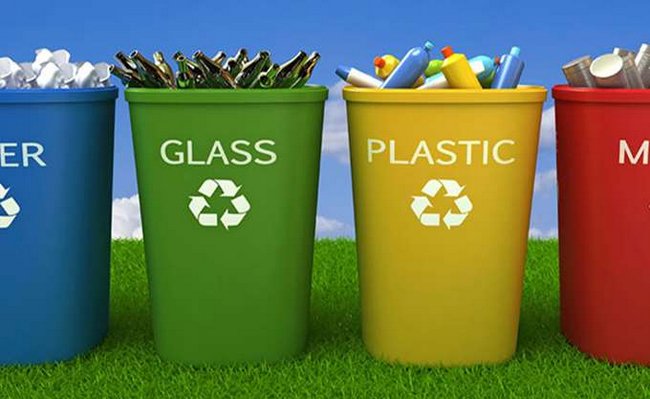
Separate collection systems for organic waste, paper, plastics and other materials are also being rolled out nationwide, equipping municipalities and waste management bodies with new tools.
Recycling stalled, energy recovery on hold
Still, without dedicated material recovery facilities, recycling in Greece remains capped at around 17%. Only once these units are operational can residual waste be handled through energy recovery plants.
Under the government’s draft plan for energy recovery from waste, six such plants are required nationwide at a total estimated cost exceeding €1 billion including one in Attica.
Source: ot.gr