 Μake us preferred on Google
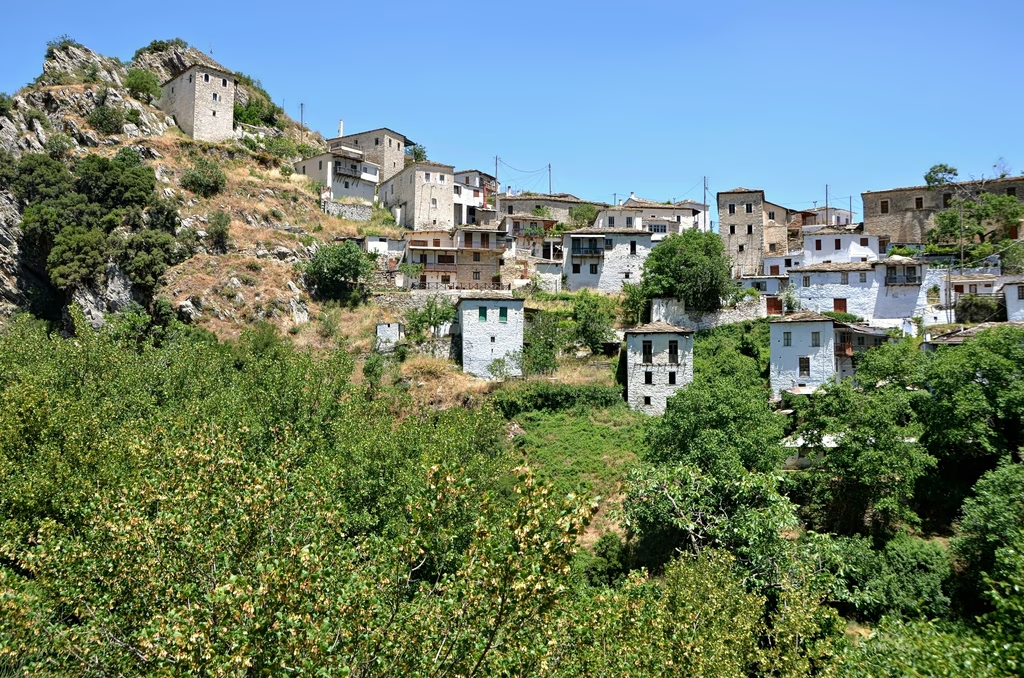
 June in the South has always been a month of reference, a threshold in its own right. The harvest had already ended, grain stored in the lower rooms of stone houses; animals moved through lighter tasks; the sea deepened into its truest blue. Mani lay across the water, close enough in the long sunsets to feel within reach. Daily demands softened into a rhythm of ease, a life suspended in light until evening, where everything could wait. The right to slowness is June’s most enduring conquest.
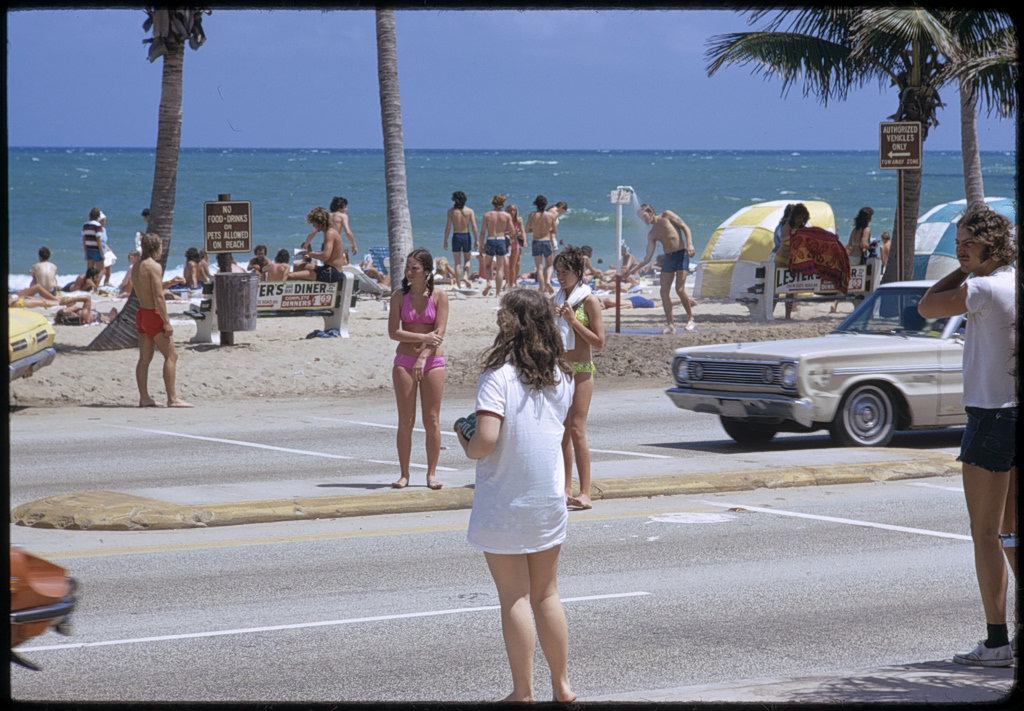
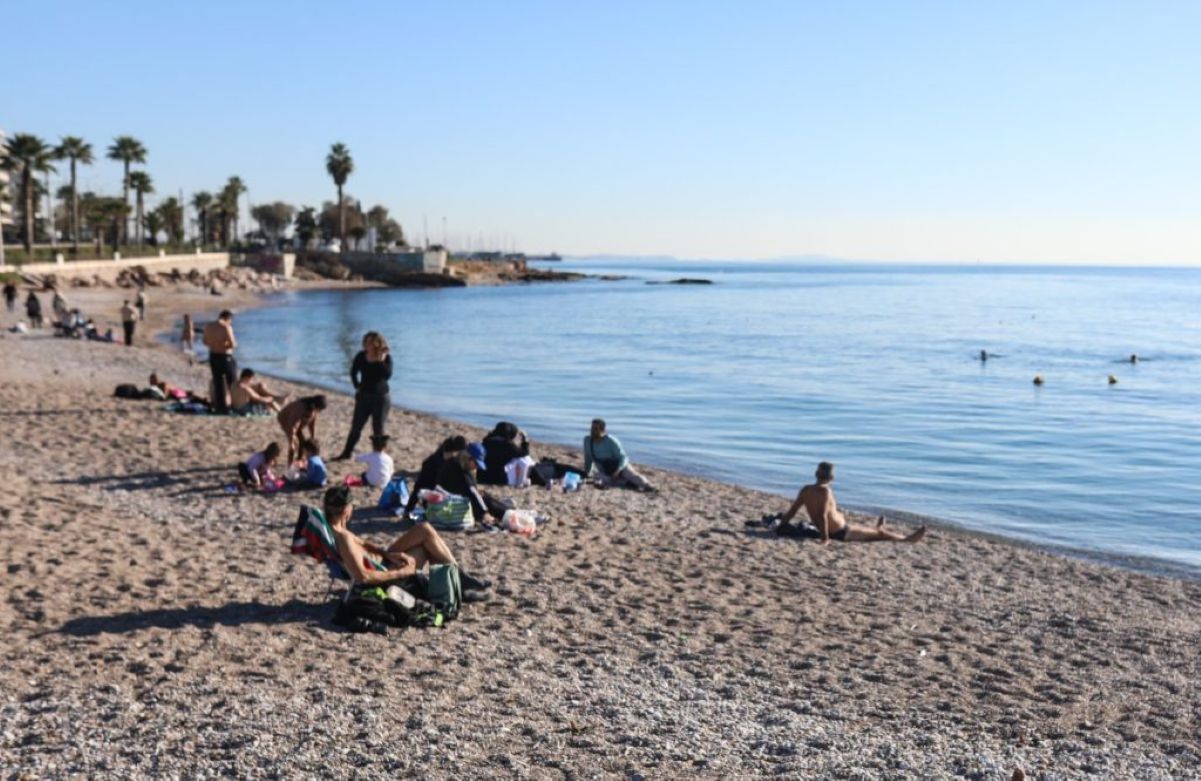
To the left, Kythira gained prominence as a boundary toward unknown destinations. Every passing ship became both dream and imagination. Groups of children, slipping away in the absence of school and supervision, descended to the beach for their first swims of the season. They never took their eyes off the vessels disappearing into the horizon, inventing stories of distant countries, wagering on names and colors. They all wanted to become seafarers—though in truth, they already were, even if they would only understand it later.
The gardens had already blossomed. All the fruits of summer were in the early stages of ripening along narrow coastal strips of land, where corn rose first and the sun hurried its course. Everything turned green along the line where winter waves once reached, salt always present, fresh water running abundantly through irrigation channels, cool from the paradox of coastal wells. Around these gardens, as June drew on, daily life arranged itself like an open-air gathering: everything outdoors, everything grounded, everything taking on a terrestrial form. When June departed in the South, life itself became coastal—an existence bound together each evening by the salt-laden air, uniting people, sea, and land.
It carried the weight of older eras. Scenes that seemed to surface from archaic deposits were unconsciously reenacted by the people of the South during June’s uniquely tender nights—the month’s cool arrival at the end of winter, when they had kept their distance from the sea, hearing only its distant roar, watching from narrow windows as storms whitened marble reefs and islets on the horizon, like Glaronisi. On such evenings, lamp fishing by torchlight took precedence. Children were enthralled, as though recalling obscure ancestral memories, while adults moved like seasoned hunters, lanterns cutting through the dark, the shore rewarding their efforts with an abundance of crabs and small catch.
As June departed in the South, the gulls had already completed their apprenticeship. Flocks filled the sky without leaving any space for absence or silence. Their migration to other seas deprived the place of part of its variety, and Glaronisi itself seemed diminished. Coastal habitation thickened: nearly everyone moved down to the shore. Temporary shelters were erected, old stone huts came back to life, and with June’s passing, a second, authentic seaside village had formed.
When June left, everyone knew that change in the weather was imminent. July—the king July—would soon claim land, sky, and sea without contest. June was always the preparation for his arrival. In the South, even the pace of time seemed to quicken in anticipation. It is learned early here: July is the true summer.