
 Μake us preferred on Google
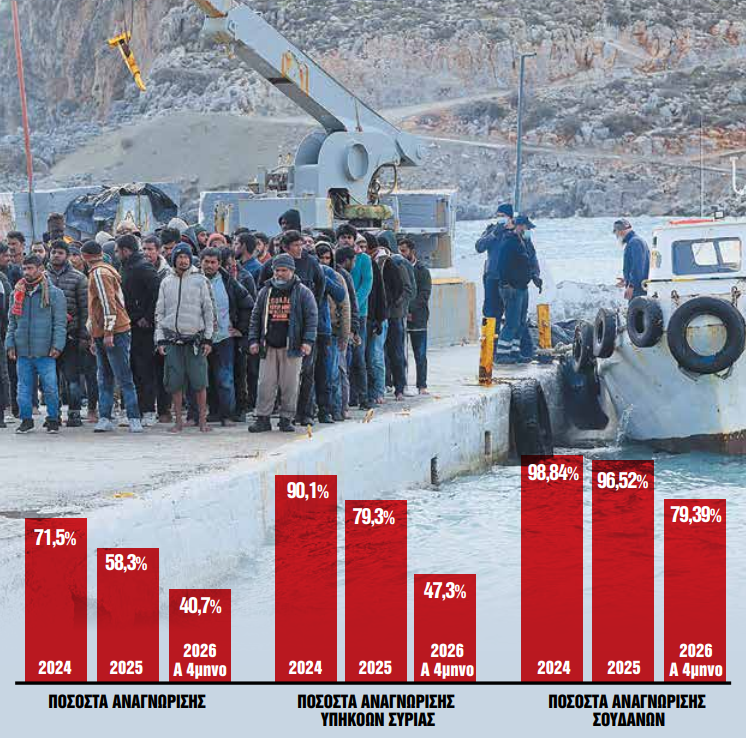
 Greek authorities have sharply increased the pace of asylum revocations this year, with 1,256 cases either completed or in the final stages of processing from the start of 2026 and June 3, according to official figures. The total already exceeds the number of asylum revocations recorded during the entire 2015-2025 period, when fewer than 800 cases were withdrawn.
The figures come as the Mitsotakis government intensifies efforts to tighten control over irregular migration and expand returns of undocumented third country migrants who no longer qualify for international protection. Over the past year, authorities have repeatedly stressed the need to strengthen deportation procedures and reduce abuse of the asylum system, particularly amid renewed migratory pressure along Greece’s southern maritime frontier.
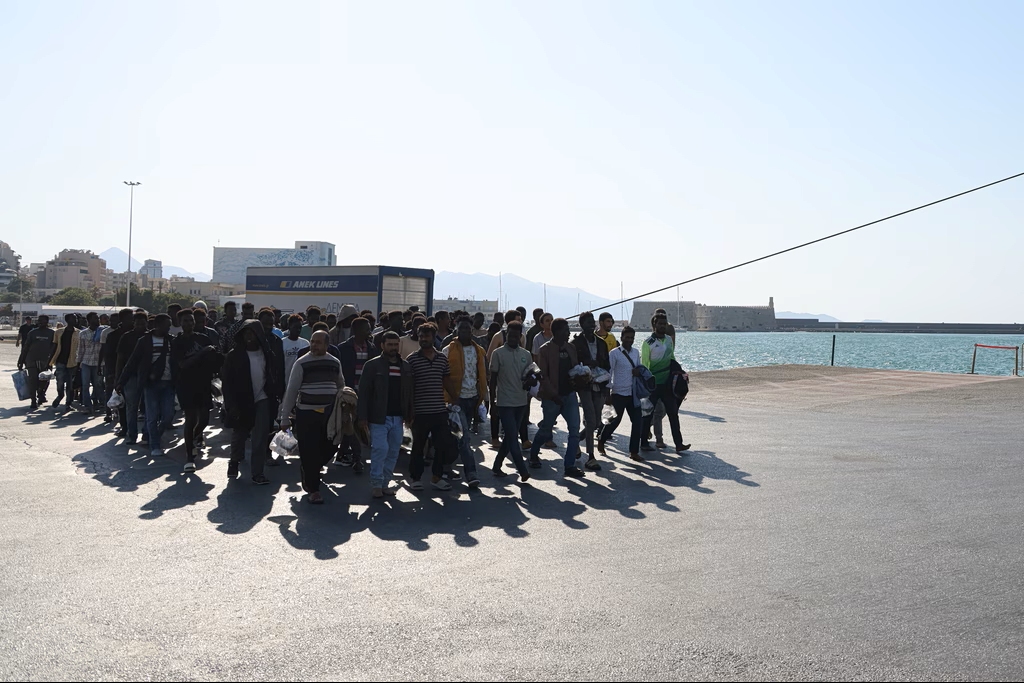
Meanwhile, debate has intensified over plans for a temporary reception facility near Heraklion, Crete, as arrivals on the island continue at a steady pace.
The migration and asylum ministry is seeking a rapid resolution to the issue and aims to begin operating the temporary facility as soon as possible. Local authorities and community groups, however, have voiced objections, arguing that such a center could affect tourism and place additional pressure on local infrastructure.
According to reports, the government has largely settled on a location for the facility after months of deliberations. Barring unforeseen developments, the temporary reception center is expected to be established in warehouse buildings belonging to the former Skouloudis industrial complex in the settlement of Athanatoi.
The proposal has met resistance from local residents, who have raised concerns about security, environmental impacts and the suitability of the site.
Crete has emerged as a growing focal point of migration flows over the past year, with increasing numbers of third country nationals departing from eastern Libya and reaching the island’s southern coast. The government has responded by examining both temporary and longer-term accommodation solutions while seeking additional European Union support to manage arrivals and accelerate returns of migrants not entitled to remain in the country.