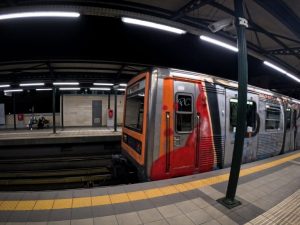
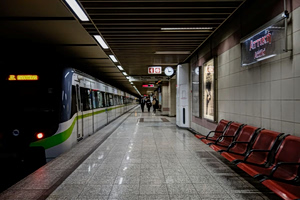
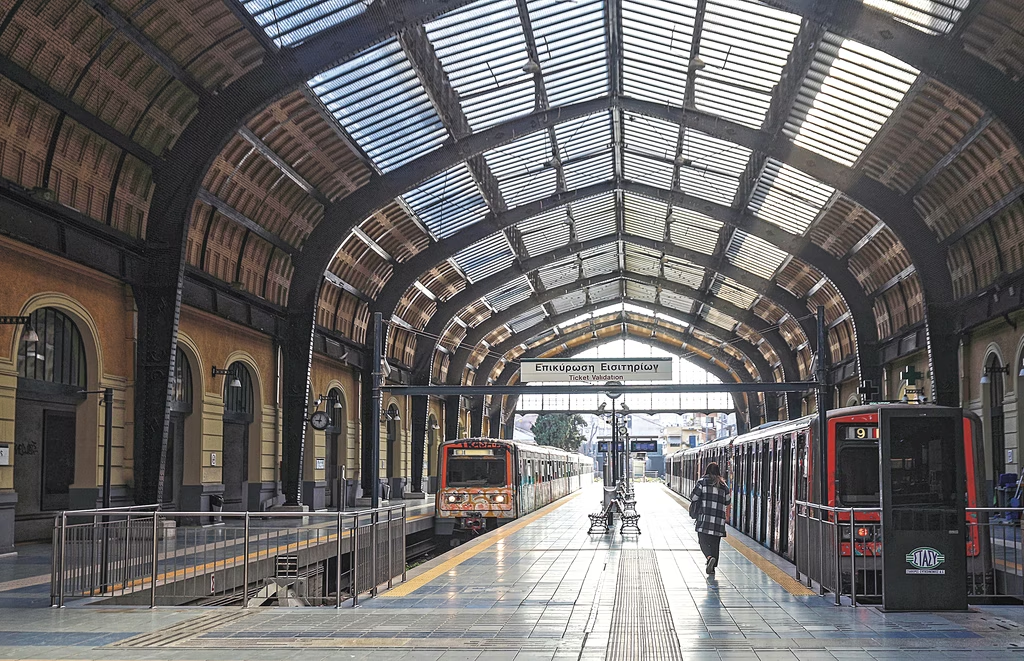
Residents of Kypseli, a neighborhood in central Athens, say they remain deeply concerned about the condition of their homes after the tunnel boring machine used to construct Metro Line 4 passed beneath the area.
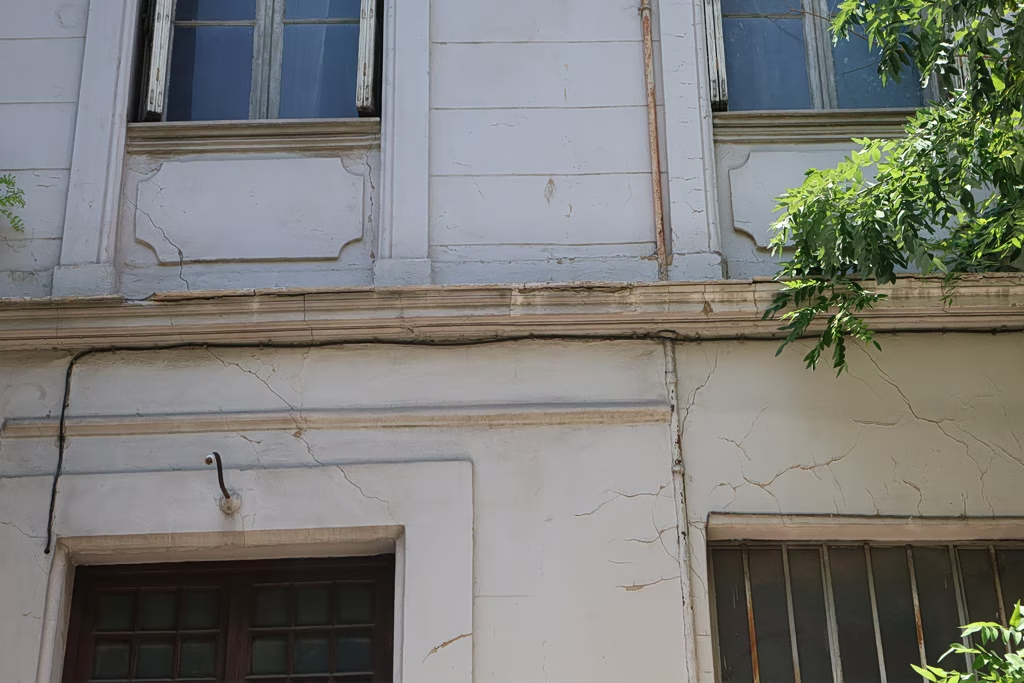
They say cracks began appearing in walls as the tunneling progressed and now fear there could be consequences for the structural stability of their buildings. In recent weeks, residents have also reported water emerging in the basements of apartment buildings, adding to their concerns.
“We have seen problems with water appearing in the basements of apartment buildings. In some basements, water is actually emerging,” Christos Rokas, the manager of a residential building on Kypselis Street with 21 apartments and four retail stores, told To Vima.
Rokas said residents have requested that one of the independent experts appointed to assess the situation be a geologist and mining engineer, alongside a structural engineer.
Independent Experts to Assess Buildings
The cost of hiring the two independent experts selected by residents will be covered by the Municipality of Athens following a decision by Mayor Haris Doukas.
The specialists will evaluate both the condition of the affected buildings and the underlying ground. They will also review the findings of two experts—one Greek and one German—appointed by the consortium carrying out the project on behalf of Hellenic Metro, the state-owned company responsible for Greece’s metro infrastructure.
The issue is scheduled to be discussed again at the Athens City Council meeting on Wednesday, July 29. Residents are expected to call for inspections of additional properties in the area, including buildings that do not yet show visible cracks or other damage.
Legal Action and Ongoing Investigation
A preliminary investigation into the reported cracks and ground subsidence remains underway.
Meanwhile, residents have sent a formal legal notice to Hellenic Metro and the construction consortium involved in the project.
Among other requests, they are seeking information on the exact depth at which the tunnel boring machine operated during excavation, access to project monitoring data—including measurements of ground subsidence, ground movement, structural cracking and other safety indicators—and copies of geotechnical and geostatic studies already completed or planned so their findings can be independently reviewed.
In the legal notice, residents argue that cement that surfaced on Kypseli streets last April “was only the tip of the iceberg.” They describe what followed as “an earthquake that continues for days.”
According to the notice, residents living in the area between Kypseli Square and Evelpidon experienced widening cracks in their homes, doors and windows that no longer opened or closed properly, sections of building materials becoming detached, separation between neighboring buildings, and water beginning to emerge in basements.
Residents also say they still do not know whether the phenomenon has ended, arguing that the apparent ground subsidence may be widespread and that it remains unclear when the ground will fully stabilize.