 Μake us preferred on Google
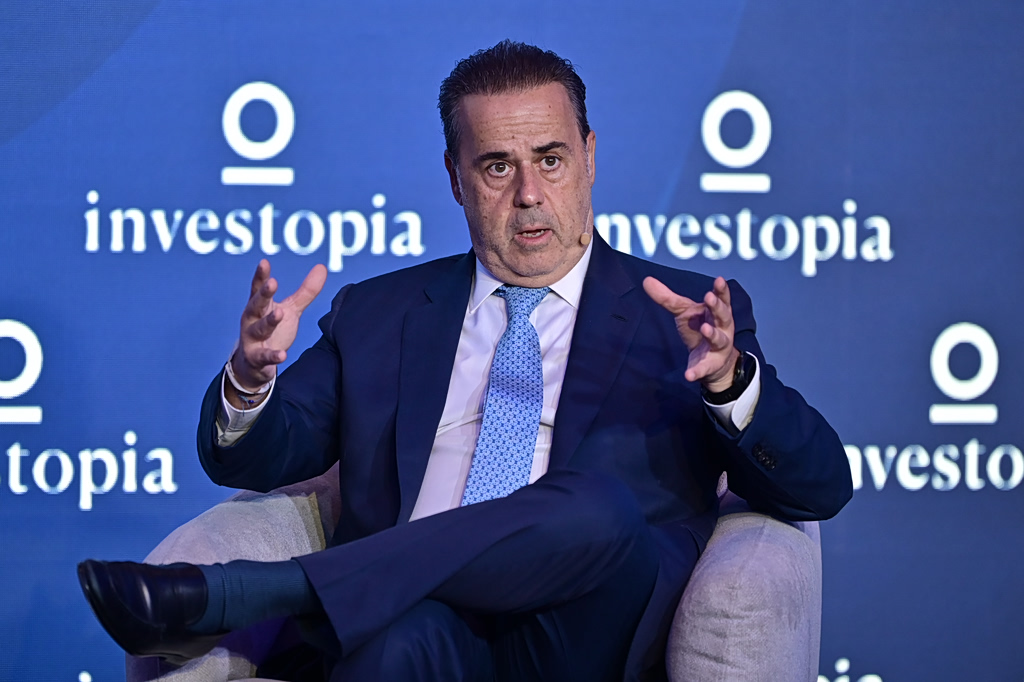
Environment and Energy Minister Stavros Papastavrou confirmed the government’s intention to move forward with the Greece-Cyprus electricity interconnection, saying the permits needed for the surveys will be issued within the next one to two weeks. He was speaking shortly before at the “Reinvesting in Greece” conference of the Technical Chamber of Greece (TEE).
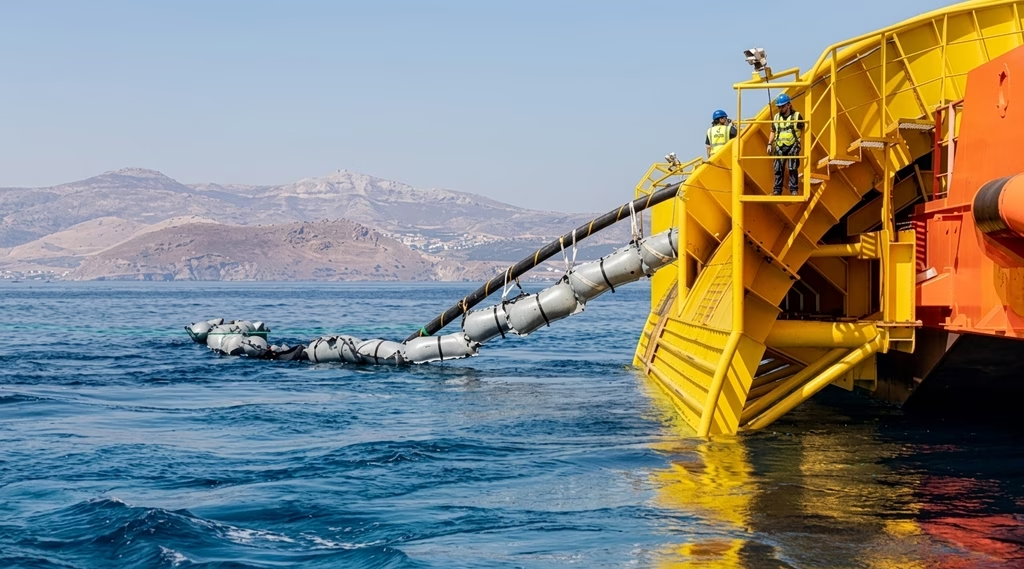
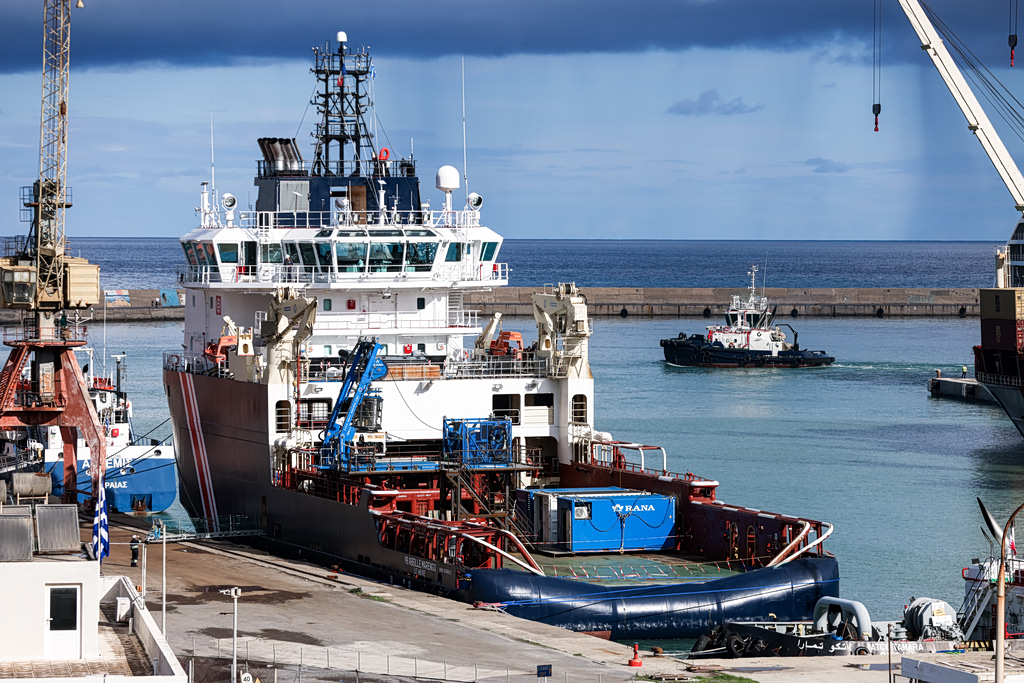
He said the necessary procedures have progressed and that the vessel that will carry out the surveys is already in Heraklion, waiting for the next steps. “Without fanfare, the permits will be issued in one to two weeks and we will move forward,” Papastavrou said. He added that “Greece will not ask for permission or inform anyone. We do not ask anyone for permission to exercise our rights.”
The need for a joint European response to the crisis
Beyond the electricity interconnection, the minister spoke about the need to strengthen Europe’s response to energy challenges, noting that European mechanisms do not always move with the speed required.
“Europe is our home,” he said, stressing that despite its weaknesses and delays, European cooperation remains necessary to deal with crises.
According to Papastavrou, Greece was the first country to take the initiative on measures by submitting a request to activate the escape clause, which was approved. He said Greece is the only country that has received such approval. However, he warned that without a joint European response, social cohesion is at stake and European societies risk becoming more vulnerable to waves of populism.
Referring to the green transition, he noted that Europe moved at a faster pace without adequately calculating the cost of the process.
He explained that European planning is being redefined. The goal of the energy transition remains, but it must now go hand in hand with competitiveness and social cohesion.
The importance of the Vertical Corridor for Greece and Europe
Papastavrou made a special mention of the Vertical Corridor, stressing that its importance goes beyond energy security and extends to the economic development of the wider region.
He noted that it is a form of regional cooperation that creates a single area of about 100 million people, transforming the economic and business potential of the participating countries.
According to the minister, this scale can act as a magnet for major investments, not only in energy but also in other productive sectors.
For Greece, he said, the Vertical Corridor is a unique opportunity to take advantage of its geographic position, further develop its infrastructure and establish itself as a true energy gateway to the wider region.
First exploratory drilling in the Ionian Sea in April 2027
On hydrocarbons, the minister reiterated the importance the government places on advancing exploration to locate commercially viable deposits.
He said the first exploratory drilling in the Ionian Sea is scheduled for April 2027, describing the trust ExxonMobil has shown in Greek engineers as especially important.
Interconnections, renewables and storage to contain costs
On electricity prices, Papastavrou acknowledged that the period remains difficult, but noted that Greece is among the European countries with the fiscal room to support consumers.
He clarified that no single measure can address the problem of energy costs in the medium term. Instead, a combination of interventions is needed, including electricity interconnections and tackling electricity theft.
In this context, he stressed the importance of further developing solar and wind power generation, combined with battery energy storage systems.
He said a key lesson from the energy crises is that the country must make the most of its own resources, both in renewable energy and in exploring for domestic hydrocarbons, in order to strengthen its energy resilience and reduce its dependence on external factors.