 Μake us preferred on Google
 New evidence from the first inspection of a medical practice, otherwise billed as a clinic, where popular Greek singer Giorgos Mazonakis died is shedding further light on his final hours, as authorities are now scrutinizing a detailed timeline of his treatment and the events leading up to an urgent call to emergency services.
The investigation is focusing in particular on digital records from the plasmapheresis machine used during Mazonakis’ treatment. The machine recorded a procedure lasting 42 minutes on Sept. 9, while the data are being examined for indications of problems with the singer’s vital condition during the procedure.

Performer Giorgos Mazonakis
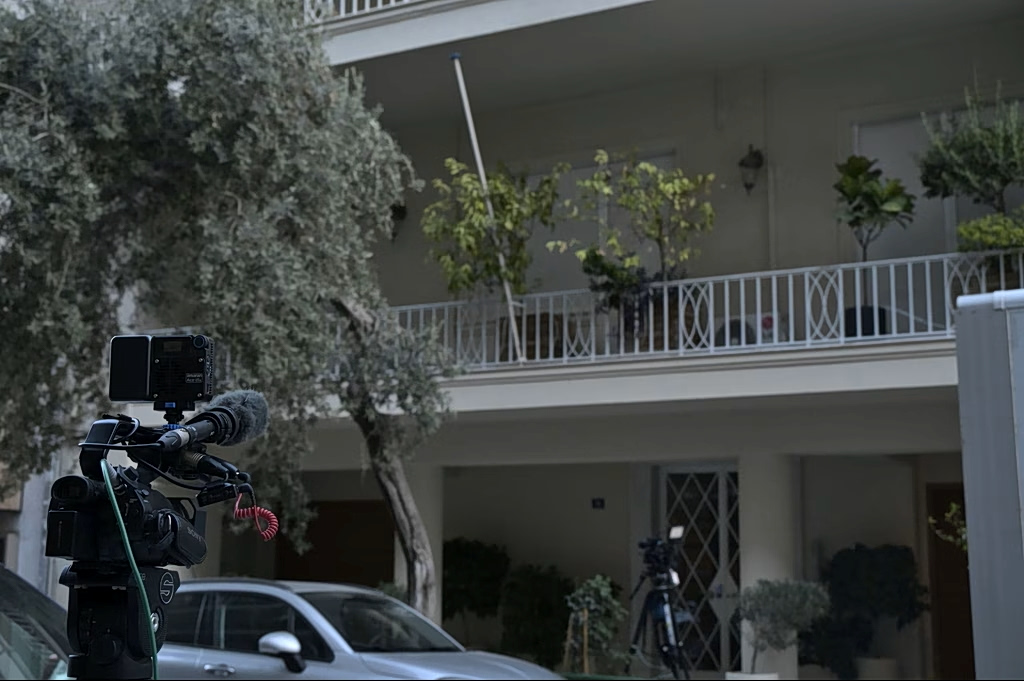
The first on-site inspection by the Athens Medical Association took place the morning after Mazonakis’ death, after an initial attempt the previous night found the Kolonaki-area clinic closed. The inspection was carried out under a prosecutor’s order in the presence of police, a prosecutor and a three-member medical association committee.
The inspection reportedly found that no electrocardiogram had been performed before the procedure on Mazonakis, while the machine’s records have emerged as potentially critical evidence in reconstructing what happened inside the practice.
According to information now under examination, preparation for the plasmapheresis procedure began at about 2:14 p.m., with the machine apparently switched on at about 2:37 p.m. The machine then recorded an alert, reportedly indicating a possible thrombosis, approximately nine to 10 minutes after the procedure began.
Further alerts reportedly followed, including indications of a deterioration in Mazonakis’ heart rate and other vital functions. Despite the alerts, the machine continued operating until 2:56 p.m., meaning the singer remained connected for a total of 42 minutes.
The findings have raised questions over whether the appropriate medical response was taken when the alerts appeared. In such circumstances, the patient would normally be disconnected from the machine immediately and further measures taken to address the medical emergency.
Information being examined by authorities indicates that Mazonakis’ heart may have stopped between approximately 3:23 and 3:27 p.m. If that timeline is confirmed, it would place the cardiac arrest roughly an hour before the call to Greece’s emergency medical service (EKAV) at 4:23 p.m.
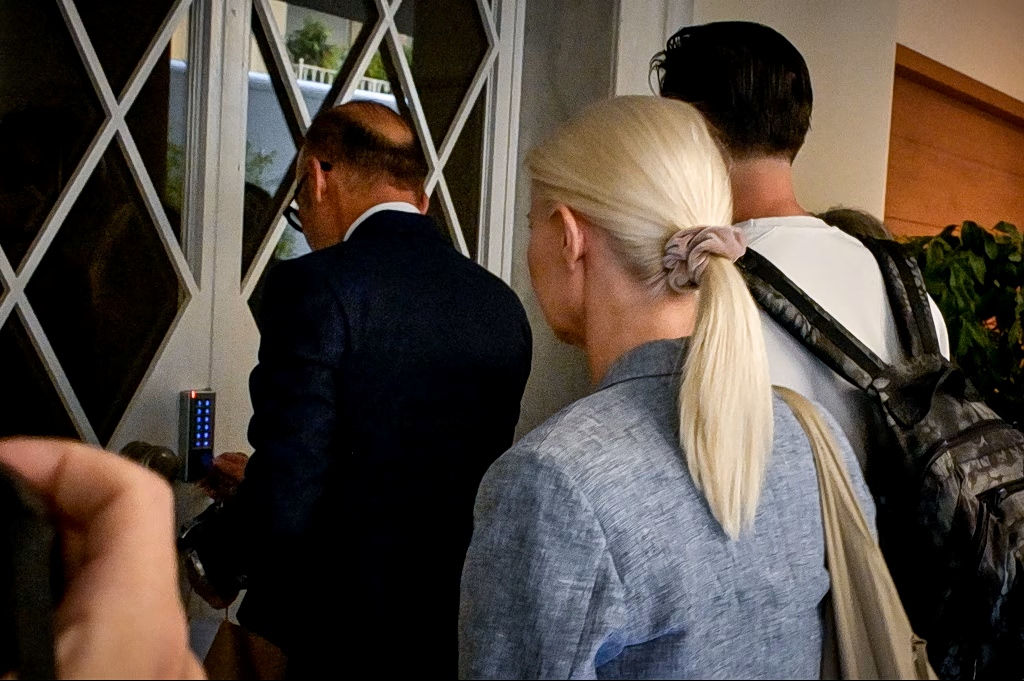
The two arrested physicians in the Mazonakis case. Sept. 9, 2026
Those involved have reportedly maintained that cardiopulmonary resuscitation was attempted, adrenaline was administered and a defibrillator was used. The defibrillator, however, reportedly did not function during a subsequent inspection.
The files were reportedly deleted shortly before the attending doctor went to a police station at about 7:09 p.m.
The digital evidence is being examined alongside security-camera footage, computer data, mobile-phone records and other material seized during the investigation. Authorities are seeking to establish a minute-by-minute account of Mazonakis’ arrival, treatment, deterioration and the response to his collapse.
The investigation has already entered a significantly more serious judicial phase. Doctors Ilias Theodoropoulos and Ioanna Gaka, who treated Mazonakis, now face charges of homicide with possible intent, following the earlier charge of exposure resulting in death.
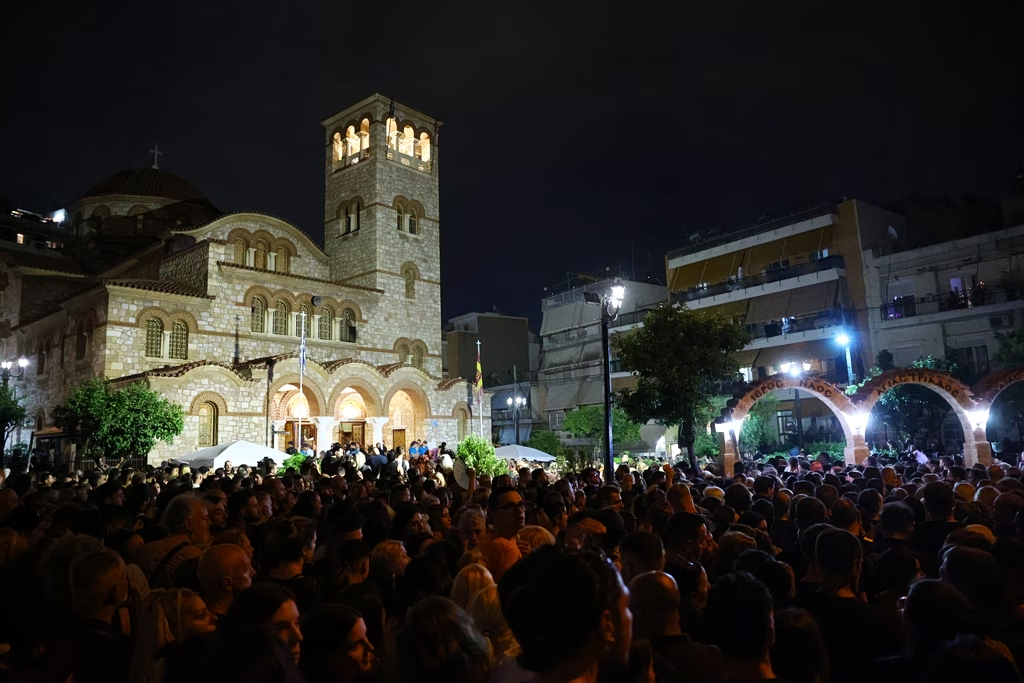
Fans gathered at the Holy Church of the Holy Trinity in Nikaia, Piraeus for an overnight vigil for late singer Giorgos Mazonakis.
The upgrade of the charges had been under consideration while the investigating magistrate awaited additional findings from the police investigation, particularly the digital evidence that could clarify the sequence of events inside the practice.
The forensic examination has not yet established a definitive cause of death. It found myocardial ischemia, while toxicological and histological tests remain pending.
Authorities are also examining the circumstances under which the plasmapheresis procedure was carried out, including questions concerning the practice’s authorization and whether it was appropriately equipped to perform the specialized procedure.
Mazonakis died on Sept. 9 after suffering cardiac arrest at the medical practice, where he had gone for scheduled treatment. The investigation is now focused on the medical procedure, the warnings recorded by the equipment, the doctors’ response to the deterioration in his condition and the time that elapsed before emergency services were called.