 Μake us preferred on Google
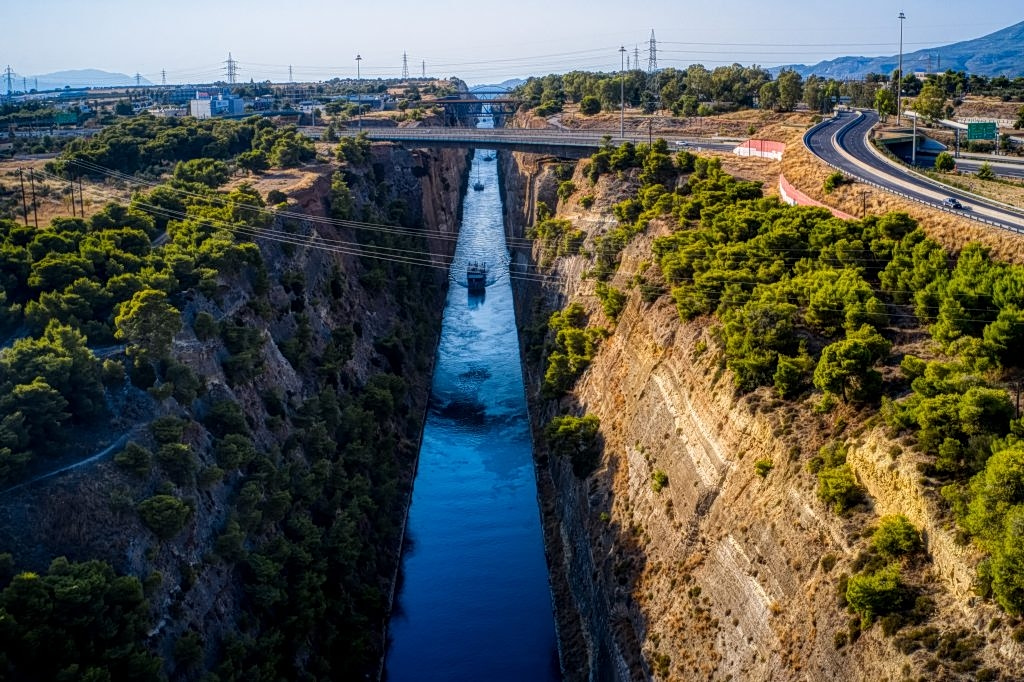
 The reopening of the Corinth Canal to maritime traffic on June 17 marks the return of one of Greece’s most strategically important infrastructure assets after the completion of the main phase of restoration and slope stabilization works.
The resumption of operations restores a key maritime shortcut between the Aegean and Ionian seas at the start of the peak summer season, while paving the way for a broader redevelopment strategy centered on shipping, tourism and regional investment.
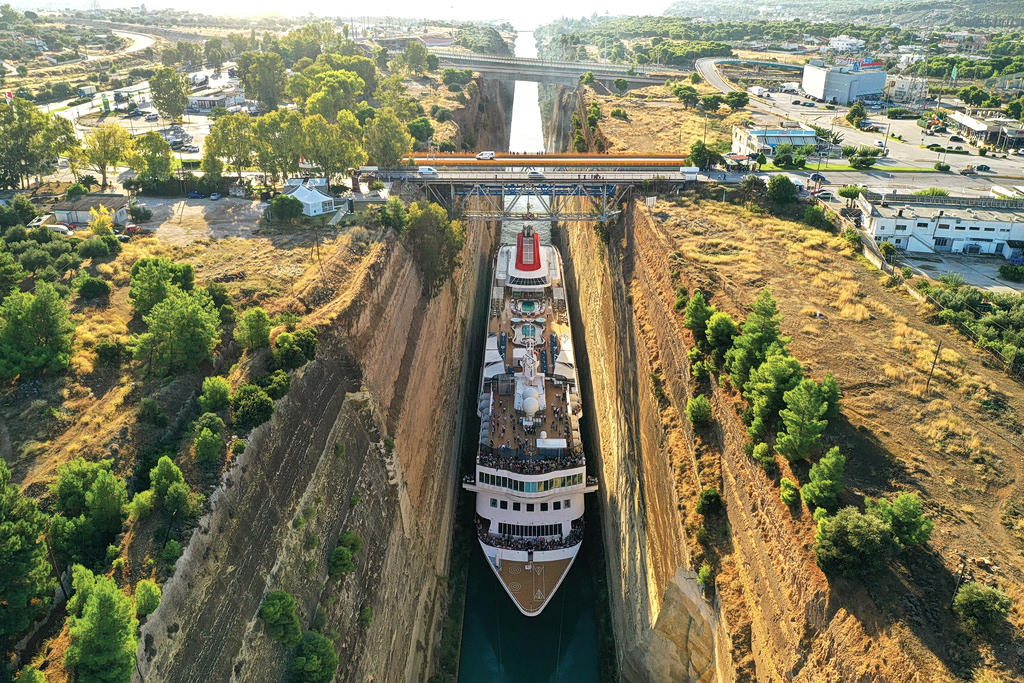
For 133 years, the 6.3-kilometer canal has enabled vessels to avoid the lengthy circumnavigation of the Peloponnese, saving time, fuel and operating costs. Although its dimensions limit access for the largest modern commercial ships, it remains an important route for smaller merchant vessels, yachts, megayachts and leisure craft. More than 11,000 commercial and private vessels transit the canal annually, representing more than 70 nationalities, underlining its continuing significance for regional maritime transport and the fast-growing Mediterranean yachting sector.
Managed by Corinth Canal S.A. (AEDIK), whose sole shareholder is the Growthfund, the canal today combines multiple functions as a shipping corridor, historic engineering landmark, tourist attraction and public asset. Alongside the waterway itself, the company oversees port facilities at both entrances, the submersible bridges at Poseidonia and Isthmia, and extensive surrounding real estate.
Chief Executive Nasos Bikas said the company’s long-term strategy aims to strengthen all three dimensions of the canal: its role as a safe and technologically advanced maritime passage, an internationally recognized tourism destination and a catalyst for regional economic development.
The modernization program extends beyond engineering works. Nearly four out of five leisure vessel transits are now processed through digital notification and electronic payment systems, while additional online services are being introduced for commercial operators and private users to improve operational efficiency and customer experience.
The reopening follows several years of repeated disruptions caused by landslides in the canal’s steep limestone walls. Extensive stabilization works were carried out to improve long-term operational safety, with the operator stressing that all critical interventions required for safe navigation have now been completed, although broader modernization works will continue. The canal reopened slightly ahead of earlier projections to ensure availability during the busiest period for shipping and tourism.
The canal’s history stretches back more than two millennia. Ancient Corinth’s ruler Periander first explored cutting through the Isthmus in the seventh century BC before constructing the Diolkos, which allowed ships to be hauled overland. Roman emperors, including Nero, later attempted to excavate the passage, but the modern canal was ultimately completed between 1882 and 1893, inspired in part by the success of the Suez Canal.
Looking ahead, AEDIK plans to transform the wider Isthmus area into an international destination combining maritime heritage, culture, recreation and business activity. New visitor facilities, digital services and upgraded infrastructure are intended to complement the canal’s shipping function while attracting more domestic and international visitors.
Alongside operational improvements, the company says it is implementing environmental management practices that comply with International Maritime Organization (IMO) standards, including systems for collecting and handling waste lubricants and oil residues.
For Growthfund, the canal represents one of Greece’s most recognizable public assets. Its return to full operation is expected to restore shipping revenues while creating opportunities for new income streams linked to tourism, hospitality and broader commercial development, reinforcing the Corinth Canal’s dual role as both a strategic maritime gateway and a driver of regional economic growth.