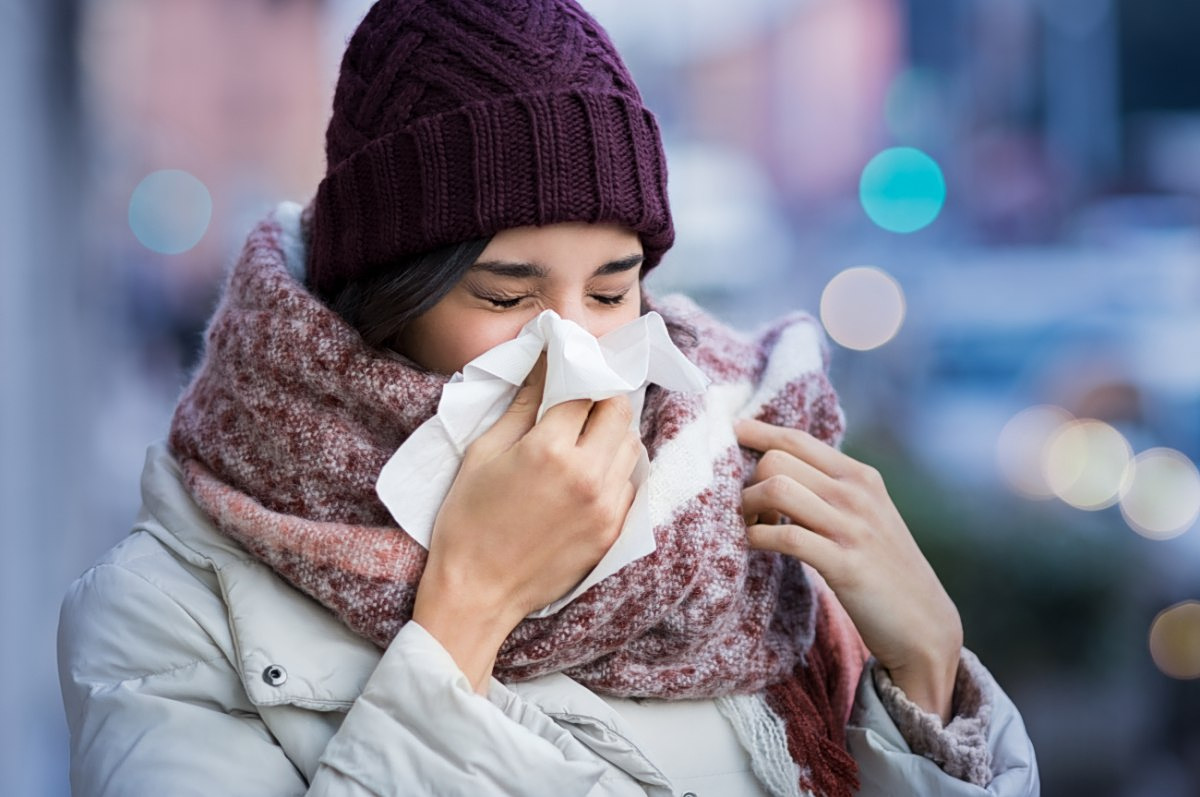
Greece is experiencing a significant increase in flu and respiratory syncytial virus (RSV) cases, according to the National Public Health Organization (EODY). COVID-19 infections, by contrast, remain at stable levels.
The rise in infections mainly affects children and vulnerable populations. Experts recommend vaccination, a balanced diet, adequate sleep, and regular exercise as key measures to reduce risk.
Epidemiological surveillance of wastewater between December 22–28 shows a marked upward trend in flu A cases in Thessaloniki, Ioannina, Larissa, and Patras. Thessaloniki saw the largest increase at 124.3%, followed by Ioannina at 115.3%. Larissa and Patras reported smaller but notable rises of 68.9% and 16.3%, respectively.
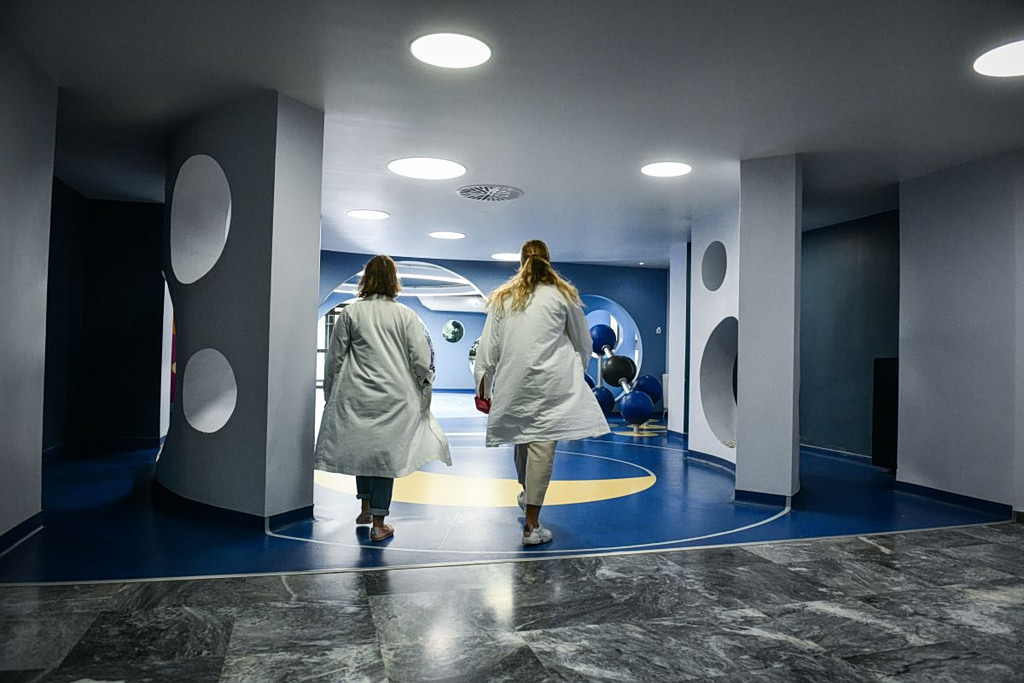
Hospital data reflect the trend, particularly among children. At Agia Sofia Children’s Hospital, admissions increased by 15% over the weekend of January 3–4. On Saturday, 400 pediatric visits resulted in 38 admissions, while Sunday saw 440 visits and 60 admissions.
Health officials estimate that the peak of this seasonal wave may occur by late January to early February. Despite the increase, current levels remain lower than those recorded at the same time last year.