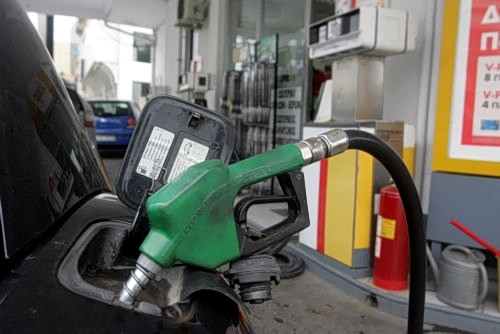
Before sunrise on Monday, cars were already lined up outside gas stations across Attica, their drivers anxious to fill their tanks as news of the escalating war in Iran and disruptions at the Strait of Hormuz sent tremors through global energy markets.
By midmorning, several stations in the greater Athens area had run out of regular unleaded gasoline.
The rush was fueled not by immediate price increases, industry officials said, but by fear; a familiar accelerant in times of geopolitical uncertainty.
“Regular unleaded sold out early,” said Maria Zaga, president of the Attica Gas Station Owners Association, in comments to the Orange Press Agency. So far, she added, there has been no change in retail prices at stations still operating under Saturday’s pricing schedule.
But the psychology of the market has shifted.
Drivers, wary of sudden price hikes, moved quickly to secure fuel, creating shortages that might otherwise not have materialized. Station owners who exhaust their supplies on Monday are unlikely to replenish them the same day, Ms. Zaga said, unless deliveries had already been scheduled.
A Global Chokepoint, Local Anxiety
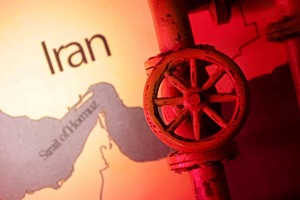
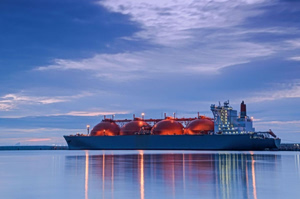
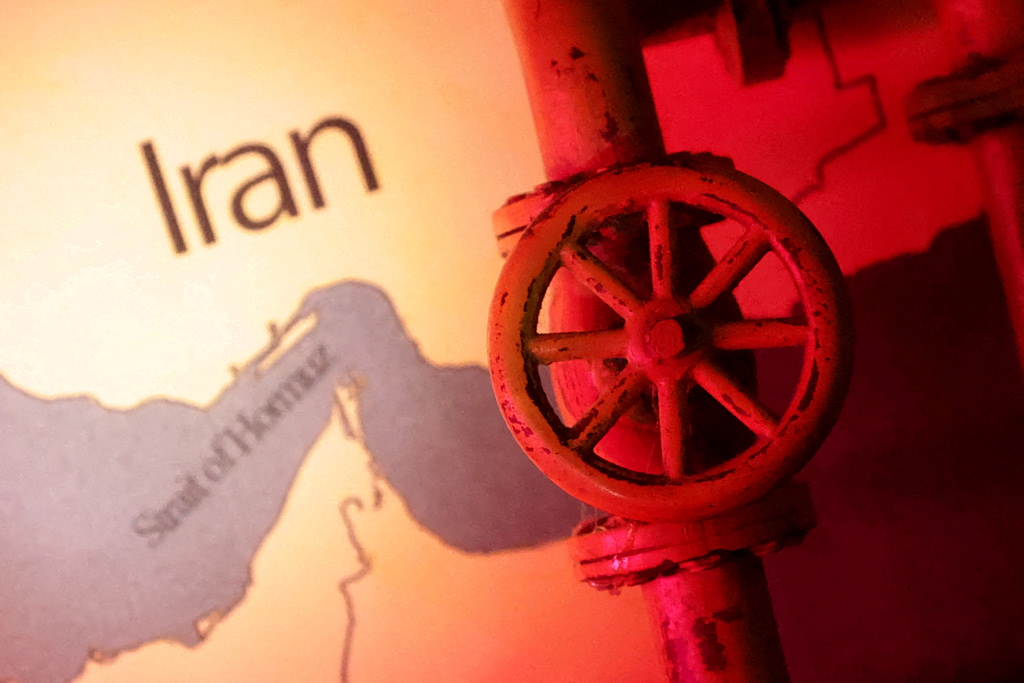
At the center of the concern is the Strait of Hormuz, a strategic maritime passage through which a significant portion of the world’s oil supply flows. Following the escalation of hostilities in Iran, hundreds of tankers have been immobilized, while others are being rerouted along longer, more expensive paths.
The result, Ms. Zaga said, is mounting uncertainty across the global supply chain.
“It is too early to estimate the extent of potential increases,” she said, noting that additional transportation costs could eventually be passed on to consumers if the crisis drags on. “People need to remain calm.”
Calls for Oversight
Despite the international origins of the crisis, Ms. Zaga said the Greek state should act preemptively to contain possible domestic fallout.
Much will depend, she noted, on the stance of Greece’s two refineries. If they refrain from what she described as unjustified price increases, broader disruption can be avoided. The entire supply chain — from refineries to fuel trading companies to individual station operators — must act responsibly, she said.
Inspections began on Saturday, and so far authorities have found no irregularities. “We are on alert to serve the public, not to deceive them,” Ms. Zaga said.
The Risk of Profiteering
She acknowledged that the risk of profiteering is real in moments like this, when fear can distort normal market behavior. Yet she said she has chosen to keep her own prices steady, even after minor changes appeared in the latest pricing bulletin, opting for gradual adjustments rather than abrupt increases.
Meanwhile, she said, price fluctuations in natural gas are already more pronounced than in oil, though the broader picture remains unclear.
Should the crisis and the blockage at the Strait of Hormuz persist, the consequences would likely be negative, she warned. Still, she expressed confidence that authorities would manage the situation responsibly.
“We shouldn’t give in to fear-based scenarios,” she said. “That’s often when profiteering begins.”